
Shiphero Blog

Top 5 Best Order Fulfillment for Adobe Commerce

In this article
The end of seller shipping
The Solution: Integrated TikTok Shop logistics
Critical action for Shopify users
Join us before the deadline and save

What is Adobe Commerce?

This eCommerce solution is focused on delivering a world-class shopping experience. With access to high powered page builders you can offer product recommendations, live searches, and specific shipping solutions to your customers. Recently changed from Magento to Adobe Commerce, you can manage your B2B, B2C, or D2C business in one platform. With this solution you can host multiple sites and get your business to market quickly with partner support and high powered easy-to-use tools. Plus, you can customize your experience with a long list of extensions to fill any business need Adobe Commerce may not cover on its own. If you’d like to see a demo of the software, you can request one here.

What is Order Fulfillment?

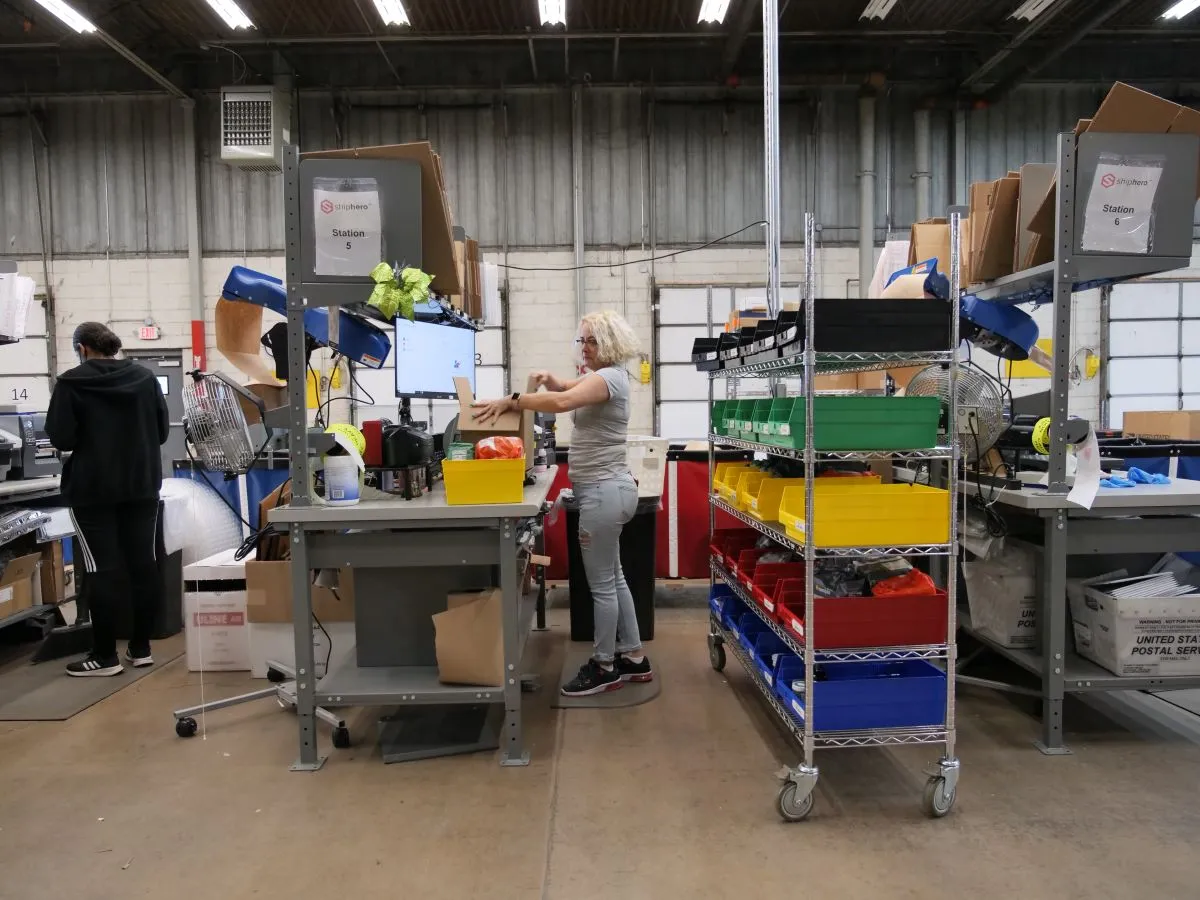
Order fulfillment is the process which gets your product from your warehouse, to your customer. While some large retail companies build out their own logistical processes, many smaller companies prefer to use a third-party order fulfillment provider instead who has already created this logistical structure and makes profit by fulfilling the orders of several companies at once.

How Does the Adobe Commerce Fulfillment Process Work?

The order fulfillment process includes inventory receiving, storing, processing, picking and packing, and shipping to the customer. When handling your shipping through Adobe Commerce, you will need to work with a fulfillment provider as Adobe Commerce does not currently have warehouse operations available to its users. Meaning once you receive an order on your stellar Adobe Commerce site, you either need to fulfill the order yourself or send your order to a third-party fulfillment provider who will pull the product from your inventory, pick, pack, and ship the product out. This process is made simpler and more automated if you pick a fulfillment provider who directly integrates into Adobe Commerce.

What Does An Adobe Commerce Order Fulfillment Provider Do?

A fulfillment provider is a company dedicated to fulfilling the logistics of other companies. They often don’t have inventory themselves. Instead they purchase a warehouse space with the equipment and experienced staff so they can contract their fulfillment services out to companies like yours.

What Are the Benefits of Using an Adobe Commerce Order Fulfillment Service?

A fulfillment provider enhances the customer experience. With their help you can be hands off when it comes to managing and shipping your inventory which gives you more time to run your business and ensures a high quality customer experience. Especially because with a fulfillment provider they are expected and contracted to meet certain standards of delivery so your customers are satisfied with the entire purchasing experience.

Need a fulfillment provider? Check out ShipHero!

What To Look For In An Adobe Commerce Fulfillment Partner

Here are the top seven factors to consider when searching for the right fulfillment partner for your eCommerce business.

eCommerce Platform Integration

Integration from your Adobe Commerce site to your eCommerce platform is important. It allows manual order processes to become automated and improves your overall customer experience.

Order Fulfillment Speed

When choosing to purchase your product, the speed of your fulfillment is a big factor for customers. While on the hunt for order fulfillment providers, the speed at which they can deliver your product should be a considerable factor in the partner you choose.

Storage and Fulfillment Fees

When you work with a fulfillment provider, you purchase space within their warehouse. Some fulfillment services charge for storage, by the item when shipped, or by monthly average order volume.

Pricing

Fulfillment providers price their services very differently. As you hunt for the perfect fulfillment partner, you can ask for a breakdown of costs to understand exactly what you’ll be paying and why. Ensure those costs fit your business needs. The best fulfillment partners will look at your current fulfillment spend, compare it to your needs, and help you find a process which saves you money.

Returns Management

The hassle of returns can quickly turn off a customer. A fulfillment provider who can help you with returns management in your eCommerce business can make all the difference.

Multichannel Integration

You need to have the ability to connect different systems or platforms involved in your eCommerce business together so you can create a consistent shopping experience when listing your product on marketplaces like Amazon, eBay, Google, and Walmart.

Ease of Use

Keep ease of use in mind when searching for a fulfillment provider. The goal of this solution is to take work off your plate and give you back time.

How We Chose the Best Adobe Commerce Fulfillment Companies

As we compared fulfillment provider solutions for Adobe Commerce, we looked at several factors. The above seven to be specific with an emphasis on the ability to integrate into your store. Based on our findings, below are the five best Adobe Commerce fulfillment providers for your store.

Best Adobe Commerce Fulfillment Companies

Here are the Best Adobe Commerce Fulfillment Companies:

1. ShipHero

With both a warehouse management system (WMS) and a fully outsourced fulfillment option, you can trust ShipHero has a solution for you. If you want to dump the headache of running your logistics, they can manage your fulfillment needs and help you strategize as you scale up.

Pros

With ShipHero you get a 30% increase in shipping speed and a 35% decrease in warehousing costs. They have a highly rated customer service team to help you with any logistical needs and a cutting edge software platform where you can view and manage your entire order directly integrated into your Adobe Commerce site.

Cons

There are no costs listed on the website, and if you’d like to get a cost you need to go through their quote process.

Pricing

With ShipHero you can request pricing directly on the site and receive a demo and a customized quote to your needs. Plus your quote will have pick, pack, box & postage fees built in so you don’t have to worry about the separate cost of those items.

Find out more about ShipHero’s Fulfillment Solution!

2. Shipfusion

With the goal to help you fill orders fast and scale easily, Shipfusion handles your eCommerce fulfillment so you don’t have to. They strategize with you on the efficiency of your inventory management placement so your product is within easy reach of your customers. Plus, they offer both managed warehouse solutions and a robust eCommerce fulfillment platform.

Pros

Shipfusion offers competitive shipping rates and will help you manage customer returns. Their eCommerce platform eliminates tedious work and easily integrates into several eCommerce apps. And they can offer you temperature controlled warehousing and transportation so your food grade storage is safe. ConsShipfusion includes a minimum of 500 shipments per month. Meaning if you do less, you may need to look for a different fulfillment solution.

Pricing

In order to get a price you’ll need to request a demo as their pricing varies depending on the needs of your store. As every eCommerce business is different they will customize a quote with your top needs in mind.

3. Deliverr

Their mission is to let any company, regardless of size, offer their customers fast and cost effective fulfillment. With no contracts, no minimums, and a quick start process which will allow most companies to get started within a couple minutes, they are a highly transparent fulfillment offering. They want to make sure companies who may not have huge order volumes have the same tools as a large company without the cost of the supply chain infrastructure.

Pros

There is a cost calculator tool on their site where you can input product information and get shipping costs quickly and easily if you want a quote. They have several freight options and offer benefits for selling through platforms such as Wish, Facebook, Shopify, Walmart, Google, eBay, and Instagram.

Cons

Unfortunately with Deliverr you won’t have access to international shipping which can be hard for growing eCommerce brands who want to scale.

Pricing

On their pricing page, Deliverr lists starting unit prices for both fulfillment and storage. This changes based on weight, dimensions, and service level needed for the product (you can choose from three different tiers based on shipping speed). If you sign up for a Deliverr account you can login and enter your product information to quickly see the pricing to fulfill and ship those products.

4. ShipBob

Focused on DTC businesses, Shipbob can provide you with global fulfillment solutions. They offer affordable 2-day shipping and can help to develop memorable unboxing experiences. With a wide range of offerings, they want to make sure you can be hands-off when it comes to your company's fulfillment.

Pros

ShipBob will determine where best your product fits in their fulfillment centers based on the most common order locations. This way your inventory is strategically split across all their locations. With their order management software they will also track your shipments from beginning to end so you get clarity into where exactly your product is at any time.

Cons

Reviews have listed packaging errors as a common problem, for this reason you may want to ensure your contract with ShipBob includes a packaging accuracy rate.

Pricing

ShipBob offers a custom quote and a monthly subscription service quote on their pricing page. Plus they also offer a fulfillment estimation calculator, if you put in the width, height, length, and weight of your item, you can see where your fulfillment cost starts at and what the storage per bin, shelf, and pallet, will cost as well.

5. ShipMonk

With ShipMonk, you get both a cloud based inventory management software and fulfillment services. They boast a high performing customer team of “Happiness Engineers” who will spring into action and help when a problem arises. And they are focused on helping high-growth brands through powerful scalability.

Pros

Their software integrates with your sales channels including Amazon, eBay, Shopify, Walmart, and Target, so you can connect your order process to your shipping solution and is easy to use. Their inventory portal gives you the ability to identify your best selling SKUs and blacklist old skus. You can track your inventory levels across multiple channels, and with several fulfillment centers across the US they will split your inventory across locations and help you source the warehouse which offers the best price.

Cons

Some users report that ShipMonk also has receiving discrepancies when packing orders.

Pricing

Pricing is highly transparent. They offer both an eCommerce fulfillment price and a subscription box price directly on their site. All you need to do is move the sliding scale to input about how many orders you need shipped or assembled monthly and you’ll see the cost per item shipped. Once done you can continue to get pricing for your storage needs and any additional services or one-off costs like special projects or container unloading that may occur.

Final Thoughts

As the eCommerce landscape continually and dramatically changes, you need to choose a fulfillment provider who is on top of the latest technology so your company can keep up with the rest. Especially because a fulfillment provider can make a huge difference in the customer experience!

Order Fulfillment for Adobe Commerce FAQs

What Is Automated Order Fulfillment for Adobe Commerce?

You will benefit from automated order fulfillment when you connect your Adobe Commerce store to a fulfillment provider. If these two programs are integrated your orders can be automated. Meaning once a product is purchased from your store, the order immediately goes to your fulfillment provider to begin fulfillment and your customer gets automated updates along the way.

How to Improve Your Adobe Commerce Order Fulfillment Process?

When looking at your order fulfillment process, there are several great ways to make improvements. First, provide order tracking for your customer and for yourself. This helps you manage customer shipping speeds and provide a high quality experience. Second, make sure to offer your customers multiple payment methods. And third, make sure your product inventory counts are correct. If you are looking for more ways to improve your order fulfillment process, here is a guide from Adobe Commerce to help.

What Is Order Fulfillment Rate?

This is the number of orders processed, divided by the number of orders received. With order fulfillment software you can monitor this rate automatically as stock adjustments and goods receipts are provided for your orders.

the process

Explore more of our features

No items found.
Shiphero logo on a grey background
September 9, 2025

How AI is Transforming Warehouse Management: Impact, Benefits, and Use Cases

Imagine running a warehouse where orders are picked quickly, inventory is accurate, and all operations run smoothly without any errors or delays. Thanks to Artificial Intelligence, this can now become a reality with ease.

AI is transforming warehouse management by enhancing efficiency, intelligence, and the ability to meet the rapid demands of today’s eCommerce-driven market.

ShipHero is pioneering this revolution with its AI-powered warehouse solutions, setting new industry benchmarks. This article explores ShipHero’s AI Picking feature, highlighting how it’s transforming warehouse management and enhancing operational efficiency.

Benefits of AI in Warehouse Management

The integration of AI technologies, including machine learning, robotics, and predictive analytics, is revolutionizing warehouse operations, driving significant improvements in efficiency, accuracy, and overall performance. These innovations are optimizing processes across various areas, from inventory management to order fulfillment. Below are the key benefits of AI in warehouse management.

  • Improves efficiency: By automating routine tasks, AI speeds up warehouse operations and streamlines workflows.
  • Reduces operational costs: With AI automating repetitive tasks, businesses can save on labor costs and minimize errors.
  • Enhances inventory management: AI ensures that inventory is always accurate, with real-time updates and better control over stock levels.
  • Predicts demand: AI accurately predicts demand, enabling businesses to manage inventory effectively and avoid stockouts or excess stock.

Key Components of AI-Driven Warehouse Systems

A combination of AI technologies is shaping smarter warehouse systems to help revolutionize warehouse management.

  • Inventory Management Systems – AI-powered inventory management systems ensure that stock levels are continuously updated and accurately tracked to improve operational efficiency and minimize errors in inventory counts.
  • Automated Guided Vehicles (AGVs) – Automated vehicles (AGVs) optimize routing by quickly transporting goods, speeding up processing times, and improving throughput.
  • Robotic Process Automation (RPA) – RPA automates repetitive tasks like picking, sorting, and shipping to allow 24/7 warehouse operations with minimal human intervention.
  • Predictive Analytics and Demand Forecasting – AI tools predict demand accurately, ensuring optimal inventory levels and reducing stockouts or overstocking.

ShipHero’s AI Picking: A Game Changer in Warehouse Efficiency

ShipHero has taken AI integration to the next level with its AI Picking feature, designed to significantly improve warehouse efficiency. This feature automates the picking process, reducing the reliance on manual labor and enhancing productivity in ways that were once thought impossible.

Let’s dive deeper into how ShipHero’s AI Picking works and the advantages it offers.

How AI Picking Works

AI Picking optimizes warehouse operations in two key ways:

  • AI Path Optimization: By calculating the most efficient routes, walking time is reduced by up to 30%, allowing pickers to spend more time fulfilling orders.
  • Smart Batching: Orders are intelligently grouped to maximize pick density, minimizing trips while speeding up processing times.

Benefits of AI Picking

The AI Picking feature delivers a wide range of benefits:

    Increased Productivity: With optimized paths and smart batching, pickers can fulfill more orders in less time, dramatically increasing throughput.Lower Labor Costs: AI Picking reduces the need for human labor, cutting operational costs.Improved Warehouse Efficiency: Path optimization and smart batching maximize space and resources, streamlining operations.

Broader Impacts of AI in Warehouse Management

The transformative power of AI extends far beyond just picking. AI is also revolutionizing other aspects of warehouse management, driving improvements in operational efficiency, inventory management, and safety.

Operational Efficiency

AI automates tasks, reducing errors and increasing speed. Automated sorting and real-time inventory tracking ensure accuracy, while real-time monitoring helps managers adapt and ensure timely deliveries.

Inventory Management

AI plays a vital role in maintaining accurate inventory levels. By leveraging predictive analytics, AI can forecast demand and optimize stock levels, helping warehouses avoid both stockouts and overstock situations. This leads to better inventory management and fewer disruptions in supply chains.

Safety and Compliance

AI-driven systems can monitor warehouse conditions to ensure safety and compliance with industry regulations. These systems can analyze warehouse data and predict potential hazards before they occur, proactively reducing risks and ensuring a safer working environment.

Applications of AI in Supply Chain and Logistics

AI technologies are playing a transformative role in the supply chain and logistics sectors by improving efficiency, reducing costs, and enhancing decision-making.

These intelligent systems effortlessly manage supply chain processes by using data to optimize operations, predict trends, and automate routine tasks. This ultimately reshapes everything, from how goods are moved to stored and delivered.

  • Inventory Optimization: AI analyzes sales data, trends, and external factors to optimize stock levels. This reduces stockouts, overstocking, and excess inventory, ensuring more accurate and cost-effective inventory management.
  • Demand Forecasting: AI helps predict future demand by analyzing historical data and market conditions. This allows businesses to plan inventory, production, and procurement more efficiently, reducing waste and ensuring product availability.
  • Route Planning and Optimization: AI also optimizes delivery routes by considering real-time factors, including traffic and weather conditions. This helps businesses reduce fuel costs, improve delivery times, and enhance overall logistics efficiency.
  • Warehouse Automation: AI-powered robots can automate picking, sorting, and packing in warehouses. This increases accuracy, reduces labor costs, and enhances order fulfillment speed, eventually improving overall warehouse efficiency.

The Future of AI in Warehouse Management

The future of warehouse management looks promising with greater automation and efficiency, but future warehouse digitization brings challenges, such as high upfront costs and the need for skilled personnel.

Emerging Trends and Innovations

AI-powered drones, autonomous robots, and IoT integration are smart warehouse technologies that are revolutionizing warehouse operations. Drones will deliver goods quickly, while robots automate sorting and transportation, thereby reducing the need for manual labor.

IoT and AI integration will enable real-time monitoring and optimization of operations. Smart technology in warehouses is leading to fully automated systems that are faster, scalable, and need minimal human input.

Challenges and Considerations

While AI offers immense benefits, businesses must also consider certain challenges. High initial investments in AI technology, data security concerns, and the need for skilled personnel are just a few of the hurdles that must be addressed.

However, with a strategic approach, companies can eliminate the challenges and embrace AI’s full potential to boost accuracy in picking and improve overall warehouse operations.

Key Takeaways

  • AI is transforming warehouse management by making operations faster, more accurate, and cost-effective.
  • ShipHero’s AI Picking system demonstrates how AI can help warehouses handle more orders, cut down on labor costs, and streamline their processes.
  • AI improves routing, aids decision-making, and ensures timely stock replenishment, helping businesses stay competitive in eCommerce.

Frequently Asked Questions

How can AI help in reducing warehouse errors?

AI minimizes error by automating tasks like inventory tracking, order picking, and sorting, ensuring greater accuracy and efficiency.

Can AI be used for predictive analytics in warehouse management?

Yes, AI-driven predictive analytics can predict demand, track inventory levels, and improve supply chain efficiency by forecasting needs with greater accuracy to help businesses stay ahead of trends and market fluctuations.

Is AI in warehouse management affordable for small businesses?

AI solutions are becoming more cost-effective thanks to cloud-based services and subscription pricing models. These options make AI technology more accessible to small businesses, allowing them to take advantage of its benefits without large upfront costs.

Read more
Arrow icon
Shiphero logo on a grey background
September 9, 2025

Warehouse Receiving Process Checklist: Definition and Template

When pallets roll in and loading docks buzz, your warehouse’s receiving process becomes the gatekeeper of inventory accuracy. And if that gate isn’t well-guarded with structure, speed, and oversight, errors slip in.

A mislabeled item here, a damaged shipment there, and suddenly your warehouse faces stock discrepancies, late order fulfillment, or even lost customers.

A warehouse receiving process checklist streamlines receiving operations and ensures compliance across teams, regardless of who’s on shift.

What is a Warehouse Receiving Process Checklist?

A warehouse receiving process checklist ensures every shipment that enters your facility is properly documented, inspected, and integrated into your inventory system.

Unlike ad hoc or verbal processes, this structured document verifies product condition upon arrival, checks against purchase orders to confirm accuracy, and documents all inspections for future reference.

However, ShipHero’s digital platform already seamlessly integrates this checklist into your system, automating the tracking of goods from the moment they arrive.

Because it captures critical shipment details, a receiving checklist can double as a warehouse audit checklist sample, especially when preparing for performance reviews or inventory audits.

If you’re looking for ways to improve accuracy and accountability, learning how to audit your warehouse with a structured receiving checklist is a great place to start.

What to Include on a Warehouse Receiving Process Checklist

Receiving Checklist Sample 1          


Receiving Checklist Sample 2

A well-structured warehouse receiving process checklist is crucial for ensuring accurate and efficient inventory management. Including the mentioned key components helps streamline the process, reduces errors, and enhances overall warehouse performance.

Here’s what you must include in your checklist to maintain control and accountability:

Purchase Order Number

This anchors the entire inspection. By referencing the purchase order (PO) number, warehouse teams can verify the received goods against the original order, ensuring the correct items and quantities are delivered.

Supplier Name & Address

Having the supplier’s full details improves accountability. If there’s a delivery issue, this info helps your team evaluate supplier performance and speed up resolution.

Date & Time of Delivery

Timestamping each delivery helps you review delivery schedules, track shipment delays, and identify potential gaps in receiving coverage.

Receiving Inspection

Here, staff will assess damage or discrepancies, confirm specifications (e.g., size, color), take photos if needed, and record all inspections in case of claims or audits. An effective inventory audit checklist incorporates these inspection protocols to ensure accuracy from the moment goods arrive.

Material Name

Listing the material name (e.g., product name, SKU, or description) prevents mix-ups during inventory allocation and ensures all items are accounted for. This also helps your Warehouse Management System (WMS) update stock records correctly.

Information Like “Delivered By” and “Received By”

Identifying who delivered and who received the shipment establishes accountability, helps resolve disputes over damaged or missing items, and ensures proper handoff records.

Documentation

Maintaining proper documentation, such as packing slips, invoices, and bills of lading, facilitates order reconciliation and supports formal audits and record keeping.

Why is a Warehouse Receiving Process Checklist Important?

A single receiving error often ripples through the entire warehouse. A structured receiving checklist breaks this cycle by establishing clear protocols that coordinate with supply chain operations and create accountability at every step. It drives big improvements in:

  • Faster receiving times: Teams know exactly what to do, in what order, and what to record.
  • Error reduction: Prevents items from being missed, mislabeled, or stored incorrectly.
  • Better supplier relationships: Helps track trends in late shipments, missing items, or recurring damage.
  • Improved stock accuracy: A clear receiving trail makes it easier to spot when something goes wrong.

This plays out in real operations. A mid-sized clothing retailer had ongoing issues with stock discrepancies during receipt. However, implementing a standardized receiving checklist significantly reduced the number of missing items and stock inaccuracies.

Employees also appreciated having clear instructions to follow, which reduced confusion and helped maintain a smoother workflow during peak delivery periods.

How to Create a Warehouse Receiving Process Checklist

Before drafting your checklist, take a closer look at your existing receiving workflow. Next, identify any inefficiencies and pinpoint areas that could benefit from more structure and consistency.

Decide on Information to Include in the Checklist

Choose the data points you’ll need based on your warehouse flow, system integration, and team size. Include only what’s necessary to document key handoff moments.

Choose a Proper Checklist Format

You can go with paper, but digital formats (via tablets or mobile apps) are easier to scale. Software-based checklists can instantly update records and integrate with your WMS.

Create the Checklist Using a Software Template

Use inventory management platforms or cloud-based tools to build your checklist. For example, ShipHero’s template system allows you to configure fields, set mandatory requirements, and establish workflow rules that guide staff through the receiving process. This makes sure every receiving action is consistent and auditable.

Train Employees

Train staff to make sure every team member follows standardized procedures. This minimizes human error, especially for new or seasonal workers.

Implement the Checklist

Roll out the checklist during a test period. Assign clear roles (e.g., receiver, inspector), gather feedback, and then launch warehouse-wide. Revisit and refine it quarterly to keep up with operational changes.

Warehouse Receiving Best Practices

Your warehouse receiving checklist works even better when paired with these best practices:

Building a Proper Receiving Schedule

Spacing out deliveries helps reduce bottlenecks and allows teams sufficient time to track inventory levels accurately. It also allows for more accurate inspections.

Optimizing the Warehouse Space

Keep receiving areas clutter-free and near the entrance. This shortens the time it takes to organize storage locations after goods are received.

Upgrading Warehouse Receiving Equipment

Invest in equipment such as barcode scanners, conveyors, or forklifts to speed up receiving operations, especially during peak seasons.

Separating Damaged Goods

Don’t let broken items enter inventory. Flag them, document the issue, and notify procurement so the issue can be escalated quickly.

Simplify Warehouse Receiving with ShipHero’s Automated Solutions

By leveraging real-time inventory tracking and barcode scanning, you can eliminate the need for manual checklists, ensuring that every received item is accurately logged. ShipHero automates the entire receiving workflow, reducing human errors and speeding up the process.

Customizable receiving workflows allow you to tailor the system to your warehouse’s specific needs, eliminating the need for paper-based checklists. Improve efficiency, accuracy, and consistency, all with ShipHero’s advanced automation tools.

Key Takeaways

  • A warehouse receiving checklist provides structured workflows that ensure accurate, efficient processing of incoming shipments
  • For operational transparency, checklists should include critical information, such as PO number, supplier information, inspection results, and timestamps.
  • For best results, use tools like ShipHero to digitize checklists, train your team properly, and regularly review performance.

Frequently Asked Questions

How Often Should You Update the Warehouse Receiving Procedures?

At least annually, or anytime your business introduces a new product line, supplier, or technology upgrades.

Is It Beneficial to Cross-Train Staff on Receiving Processes?

Absolutely. Cross-training builds flexibility, enabling teams to cover for absences and maintain efficiency even during peak periods or periods of high turnover.

What Should You Do If the Item Received Is Damaged?

  1. Document the damage with photos and notes.
  2. Isolate the damaged item to prevent it from entering inventory.
  3. Notify the supplier immediately with details and evidence.
  4. Update your stock count to reflect the issue.
  5. Follow supplier protocols for returns or replacements.

Read more
Arrow icon
Shiphero logo on a grey background
September 9, 2025

Warehouse Daily Checklist: Guide and Free Template

One missed check can cost you thousands of dollars. You may have a damaged pallet, a missing fire extinguisher, or a skipped safety step that can put your team at risk.

Warehouse daily checklists serve as a pilot’s pre-flight checklist. Before takeoff, every switch, lever, and system is checked. Why? Because skipping one step can lead to serious problems. The same goes for your warehouse.

Without a solid checklist, you risk delays, missed shipments, or worse, accidents and safety violations. A checklist ensures your team follows the right procedures and nothing falls through the cracks.

Here’s everything you need to include in a warehouse daily checklist, its definition, and templates you could use to get started fast.

What is a Warehouse Daily Checklist?

A warehouse daily checklist is a structured form that helps warehouse staff systematically inspect, verify, and record essential tasks on a daily basis. It covers all the daily to-dos that keep your warehouse operations running smoothly and safely, such as inventory tracking and forklift inspections.

The warehousing and storage industry reported an injury rate of 4.8 per 100 full-time workers, nearly double the national average of 2.7. Following a daily warehouse checklist ensures the right procedures and safety protocols are followed and nothing important gets missed.

Creating an Effective Warehouse Daily Checklist Template

A great warehouse daily checklist supports the safety of your warehouse, reduces errors, and keeps your workflow on point. Here’s how to make a checklist that your warehouse workers will actually use and benefit from.

Components of a Warehouse Daily Checklist

Every component of your checklist ensures your facility, staff, and inventory remain safe, compliant, and productive.

Common components include:

  1. Inventory Checks: Your team should do an inventory audit. Monitor current stock levels, confirm the accuracy of quantities, check the condition of stored items, and inspect the labeling and bin organization to prevent errors, shortages, or misplaced goods. Real-time inventory visibility and predictive restocking tools, such as ShipHero, make this process seamless. Make sure that the receiving process is airtight as well.
  2. Equipment Inspections: Your checklist should ensure that all tools, forklifts, devices, and fire extinguishers are operating safely and efficiently. Inspect the equipment for wear and damage, document the condition, and update the maintenance schedule when necessary.
  3. Safety Protocols: Safety and security checks minimize accidents. Inspect the visibility of signage and emergency exits, and oversee the handling of known hazards.
  4. Cleanliness & Housekeeping: A clean and organized warehouse is a safer and more efficient one. Monitor the cleaning of floors, the clearing of walkways, and the organization of storage zones to support optimal workflow and reduce risk.
  5. End-of-Day Tasks: To properly close operations, include tasks that secure the workplace and prepare for the next shift. Record the completion of final duties, document the status of unresolved issues, confirm system backup, and update the daily reports for supervisor review.

Instructions should be clear and structured to help your team move through inspections efficiently and consistently.

Step-by-Step Guide

Your daily warehouse checklist doesn’t have to be very detailed and complicated. It needs to be thorough, practical, and easy to follow.

Here’s how to build a great one:

  1. Identify Daily Tasks: List out everything that needs to happen each day. Walk through the warehouse and discuss routine procedures with your supervisors and warehouse staff to capture all relevant information.
  2. Assign Responsibilities: For each task, decide who’s in charge. Is it a shift supervisor, floor staff, or a designated inspector? Make responsibilities clear so no task is missed or assumed to be “someone else’s job.”
  3. Format It Clearly: Use a structured, easy-to-use layout with checkboxes, concise instructions, and well-defined sections, such as safety and cleanliness. Keep it readable because you want quick glances, not long paragraphs.
  4. Incorporate Timing & Schedules: Some tasks should be completed in the morning, others throughout the shift, and some before closing. Schedule them accordingly, and use timestamps if needed (e.g., “Check emergency exits before 10 AM”).
  5. Include a Sign-Off or Signature Field: Have the assigned employee or team member document their name and time completed. This builds accountability and provides a record for inspections, audits, or compliance tracking.
  6. Involve Your Team in the Design: Ask your warehouse workers what works and what doesn’t. They know the real flow better than anyone. Involving them boosts buy-in, reduces resistance, and ensures the checklist actually helps them.

When your checklist comprehensively details the tasks in a concise manner, it becomes a tool that delivers massive impact. This ensures your warehouse operations run smoothly, safely, and efficiently.

Free Warehouse Daily Checklist Template

Ready to skip the setup and just get started? Feel free to copy our Warehouse Daily Checklist Template to your Google Docs or Microsoft Word document. It’s accessible, user-friendly, and 100% customizable to your needs.

Section Task Completed Person in Charge Time Signature
Inventory Checks Verify current stock levels
Check the condition of stored items
Confirm the accuracy of item labels
Inspect the bin and shelf organization
Equipment Inspections Inspect forklifts (damage, fluid levels, battery charge)
Ensure tools are returned to proper storage
Test barcode scanners and mobile devices
Safety Protocols Check fire extinguishers (placement, charge, expiration date)
Ensure emergency exits are accessible and clearly marked
Confirm that safety signage is visible and undamaged
Inspect for any spills or hazards in work zones
Cleanliness & Housekeeping Sweep and clean floors
Clear walkways and aisles
Organize storage zones
Dispose of waste and recycling properly
End-of-Day Tasks Secure all warehouse entrances and exits
Backup system data
Document unresolved issues
Submit daily report to supervisor
Remarks:


Employee Name: Date:
Supervisor Signature:

Simply plug in your specific details, and you’re set. It’s built to save time, support compliance, and help you manage your daily workflow like a pro.

How ShipHero’s Warehouse Management System Improves Warehouse Efficiency

ShipHero’s Warehouse Management System (WMS) boosts warehouse efficiency by automating key processes like inventory tracking, order picking, and shipping. By streamlining these workflows, it reduces manual labor, minimizing errors and delays.

The system’s real-time data updates allow staff to make quick, informed decisions, improving overall productivity. Customizable features enable businesses to adapt ShipHero to their specific operational needs, further enhancing efficiency. With ShipHero, warehouses can achieve faster turnaround times, reduced costs, and improved accuracy.

Key Takeaways

  • A daily warehouse checklist boosts safety, reduces errors, and supports smooth warehouse operations.
  • Include sections for inventory, equipment, safety, cleaning, and end-of-day procedures.
  • Download our free, customizable template to save time and increase productivity from day one.

Frequently Asked Questions

How Often Should a Warehouse Daily Checklist Be Reviewed?

Review a warehouse daily checklist, weekly, or monthly to maintain accuracy and relevance. Frequent reviews help align the checklist with workflow changes, new safety protocols, or operational updates.

Can You Customize a Warehouse Daily Checklist Template?

Yes, you can customize a warehouse daily checklist template. Most templates are designed to be modified based on team size, warehouse layout, and operational goals. Customization improves relevance and usability across different warehouse environments.

Is Training Required to Use a Warehouse Daily Checklist?

Yes, basic instruction and simple training on how to use the checklist ensure employees understand how to follow the checklist, report issues, and meet safety or performance standards. Training improves consistency and accountability across shifts.

Read more
Arrow icon