
.svg)


.svg)
Today’s shoppers want the convenience of buying online with the gratification of getting their orders ASAP. And you can’t blame them. Giants like Amazon and Walmart have set the norm for the eCommerce industry by offering their customers two-day and even same-day shipping options.
As a small retailer, you risk losing your customers if you can’t guarantee their ‘inalienable right’ to expedited delivery. Studies have shown that 26% of online shoppers abandon their carts due to slow shipping, and 53% consider delivery time an essential factor when evaluating their orders.
The most intriguing part of the puzzle is that customers expect expedited shipping but still crave free deliveries, with 75% of U.S. shoppers expecting free shipping. Considering their lower order volume and lack of fulfillment infrastructure, the big question is, can small businesses compete with the giants?
Well, the answer isn’t straightforward. But we can tell you it’s not impossible. In this article, we let you in on the most important things you need to know about two-day shipping and how you can offer it to your customers.
When you offer two-day shipping, you deliver consumer purchases within two days of the order. Today’s online consumers tend to be impatient, so two-day shipping is essential to your eCommerce strategy.
How can you benefit from two-day deliveries? Here are some ways two-day delivery can provide a business advantage:
Many customers expect two-day shipping ability from all online businesses thanks to Amazon. Whether you like it or not, two-day shipping is a must. If customers don’t receive their items within two days, they may not return to your business again.
On the flip side, consistently delivering within two days shows that you’re a reliable online business. If you keep fulfilling your two-day delivery promises, customers are more likely to continue shopping at your business.
There's something undeniably thrilling about waiting for a package to arrive in the mail, especially when it comes to last-minute holiday gifts or items that just can't wait. We've all experienced that sense of urgency, and it's no wonder that slow delivery speeds can be a deal breaker for many eCommerce platform users.
In fact, a snail-paced shipping process can lead to customers abandoning their carts, causing businesses to lose out on potential sales. However, the simple solution of offering two-day delivery can work wonders. This speedy promise not only eases the minds of those eager customers but also makes them much more likely to hit that "purchase" button, knowing that their precious items will be in their hands in just a few days.
Fast shipping speed is marketable. If you promise two-day delivery and consistently fulfill it, you can make it a selling point. Writing something like “free two-day delivery” on your marketing materials can attract attention and increase clicks. More clicks mean more people visit your online store, potentially increasing your sales.
Depending on the seller, two-day delivery can be two business days or two full days. And the time can start counting from either the order cutoff time or the checkout time.
For example, Walmart uses two business days and an order cutoff time model. So, if a buyer places an order after the cutoff time on Friday, they can expect to receive it on or before Tuesday since Saturday and Sunday are not business days. On the other hand, some other companies start counting the days once the order is packed, not minding whether it’s a business day.
Whichever the model, deliveries eligible for two-day shipping usually vary between two shipping methods: air and ground. Each shipping method has different advantages and disadvantages, so let’s dive in:
Air shipping entails using an airplane or jet to transport packages from the warehouse or fulfillment center to the customer. It’s mainly used for international shipping or shipping to customers far from fulfillment centers. Of course, airborne shipping costs can be pretty steep, making it almost impossible to offer free two-day shipping to customers.
Ground shipping uses vans, trucks, or cars to move orders from the fulfillment center to the customer’s doorstep. You may use your delivery vehicles or rely on an external shipping carrier, depending on your logistics approach. Ground shipping is easily the cheapest delivery model, and you can offer free two-day delivery without hurting your bottom line.
It's a harsh reality for many businesses that ground shipping isn't suitable for delivering orders to remote areas far from fulfillment hubs. If you don’t have fulfillment centers spread across many regions, offering 2-day delivery via ground shipping can be next to impossible.
A report from EtailInsights revealed that there are 2.1 million online retailers in the United States alone, and this number is expected to grow in the coming years. If anything, this stat tells you that eCommerce businesses have become just as competitive as brick-and-mortar retail, if not more. You’ll need to stay on top of your game to thrive in the space as a business owner. Here are a few ways two-day shipping can boost your eCommerce business:
On average, online customers feel three days is an acceptable waiting time for an order. Once your delivery time exceeds three days, your customers will likely leave you for businesses that offer faster delivery. However, you’ll have a better chance of retaining your customers and expanding your customer base if you offer two-day shipping.
Your ads become more attention-grabbing if you include a promise of expedited shipping. Add tags and banners to all your ad copy, including emails, paid ads, and social media posts. When you do this, get ready for a considerably improved conversion rate and more sales.
Customers who get their orders on time will likely make a repeat purchase. Moreover, you can offer 2-day shipping as part of a paid membership program like Amazon Prime to offset the costs of faster deliveries.
Many online shoppers now regard Amazon’s free two-day shipping as standard. According to Metapack’s report, 27% of shoppers will choose the retailer with the best delivery option. Unless you sell an exclusive product, you’ll likely lose customers to the eCommerce giants.
Yes, offering two-day shipping to as many customers as possible would be best. It’s the easiest way to reduce cart abandonment and order cancellation rates. However, two-day shipping for all orders can be detrimental to business, especially if you plan to keep the shipping costs low.
If expedited delivery costs are too high, you can offer two-day shipping alongside other options and leave the decision to the customer. Another helpful strategy is restricting the service to a select group of customers like Amazon Prime.
The cost of shipping within two days depends on several factors. Here are some things that affect the price of a 2-day shipping program.
Also, note that the cost that a seller charges customers for two-day shipping can vary because of factors like fulfillment fees and channel costs.
Fulfillment fees are the cost that a company or individual seller may incur for packing, processing orders, stocking inventory, and shipping. These fulfillment fees, in turn, can also vary based on pricing models, orders placed, and additional services like individual packaging.
This explains why when you order an item for two-day shipping from an online marketplace, the cost may be more or less than ordering the same item directly from the item manufacturer’s site.
Two-day shipping doesn’t come without extra costs. If you’re not careful, you could lose all the gains you’ll make from offering two-day shipping if the costs eat too deep into your bottom line. And transferring the total cost to customers isn’t a viable option. As mentioned earlier, your customers want their delivery fast and free! The best you can do is to keep the shipping cost as low as possible. Here are some tips that can help:
Ground shipping is the easiest way to keep shipping costs low while delivering fast. However, it can only work if the fulfillment center is close to the customer. It's essential to know your customers well. That way, choosing locations near them will be a breeze and save you money in the long run. You could even offer one-day or overnight shipping to customers living closer to your fulfillment center.
Even with Amazon’s logistics prowess, only Amazon Prime members enjoy guaranteed two-day shipping. You can also work on a similar model for your eCommerce business. When you offer this perk to customers on a membership plan, more customers are likely to join, and the subscription cost may offset some shipping costs.
Operating from just one warehouse or fulfillment center will severely restrict your two-day delivery capabilities. If you cannot manage multiple fulfillment centers, you should consider partnering with a 3PL company. You’ll be reducing the transit time of customers’ orders and ensuring faster delivery.
Below are a few shipping methods you can use if you’re planning to start two-day shipping:
If you handle fulfillment in-house, you’ll have to take the goods to your preferred carrier. The top carriers, such as FedEx and USPS, have two-day shipping plans you can subscribe to. If your business is big enough, you could even get them to pick the packages up from your warehouse with shipping discounts.
Online sellers that choose this option store their inventory at the third-party logistics company’s fulfillment center, and the company ensures it’s shipped on time. This arrangement allows sellers to leverage distributed warehouses and reduce shipping costs. You get to retain customer information since all orders will pass through.
If you’re a small business looking for affordable, fast shipping providers, these are some of the best options you can choose from.
If you’re considering going for flat-rate shipping, USPS has pre-made boxes in sizes ranging from small to large, each with a different price. If your items fit the pre-made boxes, you may consider offering them as a parcel service option.
Because of its pre-made box fees, flat-rate shipping through USPS will also help you accurately estimate your shipping prices ahead of time. This means you won’t be surprised by extra fees and end up losing money.
USPS is also a top choice for those doing in-house fulfillment for their orders. If you have small order volumes, USPS offers the best value for money as a shipping option. Some services like Priority Mail Express have a money-back guarantee if your products don’t arrive on time.
USPS offers free pickup services from your home or office, with tracking services and up to $50 insurance for most parcels. There are also no surcharges for Saturday deliveries, rural or resident deliveries, or fuel.
For small businesses sending large packages that weigh 70 pounds or more, UPS is the most cost-effective option. Unlike USPS, this is because it doesn’t have a size limit for its services.
UPS can pick up your package from your office or warehouse for an additional fee. It also has two-day and three-day delivery shipments, guaranteed day ground delivery, and international shipping services to over 220 countries and territories.
While DHL is smaller than UPS, FedEx, and USPS, it’s one of the best options for international shipping. DHL can ship your customers’ orders to 220 countries and territories. It also has an easy-to-use quote calculator that can help you choose the best shipping rate and delivery times for orders, depending on your chosen service.
DHL typically estimates costs based on the destination country and your items’ dimensional weight. Fragile or costly items can get either cargo or freight shipping insurance, depending on which applies to the order. For those needing help with customs clearance, DHL also has brokerage offices worldwide.
Do your customers need 1-3 delivery speeds? FedEx is one of the most reliable choices for businesses where prime delivery speeds are the highest priority. FedEx has overnight shipping, same-day shipping for cross-country deliveries, and two to three-day shipping.
FedEx Express may have fewer locations than UPS, but it’s still reasonably easy to find a location for dropping off shipments. FedEx Express also offers priority international deliveries, tracking, and insurance for shipments up to $100. This gives international customers the peace of mind to place orders from your small business.
Below are answers to some frequently asked questions about two-day shipping:
Second-day shipping is when a company or seller ships the order within two days of it being placed. It is different from second-day delivery, which means that the order must reach the customer within two days of being placed.
Note that this should also be distinct from 2-day shipping, which typically means the order should reach the customer within two business days of shipment out of the fulfillment center.
2-day shipping doesn’t mean the customer will receive the package within 48 hours of placing the order – instead, it means they’ll receive it within two business days once the item is shipped to them.
For instance, fulfillment center workers must pick, pack and label an order before it’s ready for shipping. So, if the customer places the order late, it may not be possible to ship the order on that day. In such cases, the two days will start counting the next day. For companies that work only on weekdays, the two days will not begin counting until Monday if the order is placed on Friday evening.
If the seller drops off the package at the post office, two-day shipping will mean two days after the seller drops off the package. In some contexts, two-day shipping may suggest that the seller will get the order in the mail within two days. If you’re ever in doubt, you should ask your seller or service provider to explain their interpretation of two-day shipping.
The Amazon Prime Effect refers to the two-day shipping service that most online customers now expect. Amazon set the expedited delivery standard via its Amazon Prime service. Prime customers typically get their goods within two days of placing the order.
Two-day shipping isn’t always guaranteed because it hinges on many factors, including the shipping carrier, days of operation, cutoff time, weather, and additional factors. Many online sellers only use two days as a delivery estimate. However, some sellers are bold enough to provide a money-back guarantee if your order does not arrive within two days.
Even in cases where the seller provides a money-back guarantee, they still leave room for mishaps such as missing or stolen packages or lousy weather. You shouldn’t hastily provide guarantees around two-day shipping as an online seller. However, you should try to uphold your promises as much as possible.
The main benefit of offering free two-day shipping is attracting many customers. However, you should know someone will have to pay for the free shipping and supplies, and that person is you.
If it doesn’t make sense for your margins, you could be better off dropping the idea. Or, better still, offer it to a small subset of customers that may exceed a minimum purchase threshold or have subscribed to a particular service.
Most small businesses need help handling the complexities of order fulfillment and expedited shipping. Thus, outsourcing your fulfillment services to a specialist company or another company with great logistics prowess makes excellent sense. Below are a few outsourcing options you can consider.
Fulfillment By Amazon is available to a select group of Amazon sellers. To become FBA-eligible, you have to meet some preset criteria. Once you meet the requirements, your customers can expect guaranteed two-day shipping and could even upgrade to one-day shipping for a small fee.
The downside to Amazon FBA is that the service is only available for orders placed on the Amazon marketplace. Unfortunately, you won’t have the contact information to remarket to your customers. Amazon could even use your order information to build competing products; there’s nothing you can do about it.
Furthermore, you’ll incur considerable seller fees, despite Amazon using its branded packages for shipping. In essence, you have little control over the customer experience, and shoppers are likely to remember that they bought the item from Amazon than from you. In summary, it’s not a great option to boost brand visibility.
ShipHero is a third-party logistics (3PL) company with fulfillment centers nationwide, lowering last-mile delivery costs. We help sellers fulfill orders from business websites, third-party marketplaces, and other sales channels.
When you partner with ShipHero, you’ll get guaranteed two-day shipping that doesn’t come with all the negatives of FBA. You’re also likely to pay less on deliveries, and you can distribute your inventory across the numerous fulfillment centers in the country to save on shipping costs. If you want to scale your fulfillment operations and gain access to powerful 3PL software without breaking the bank, there’s hardly any better option than partnering with ShipHero.
Offering fast and cheap delivery options is now central to attracting and retaining online customers. Unfortunately, many small businesses don’t have the logistics capabilities necessary to match the expedited delivery services provided by eCommerce giants like Amazon, Walmart, and eBay.
Outsourcing your fulfillment needs to a 3PL company is the best way to remain competitive. If you can partner with the right logistics company, you can offer guaranteed two-day shipping and enjoy all the benefits of it.
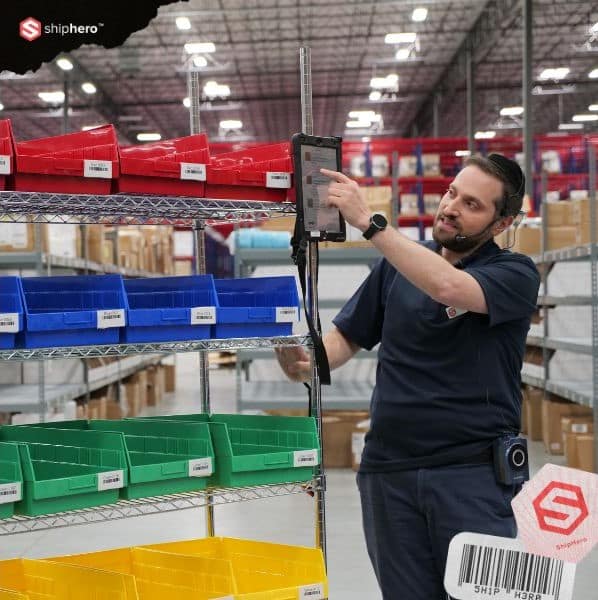
.webp)
A 3PL Warehouse Management System (WMS) is a software solution that helps companies manage and optimize their warehouse operations. It provides a centralized platform for handling tasks such as inventory management, order fulfillment, shipping, and receiving.
It’s an essential tool for third-party logistics providers that lets them efficiently manage their clients' warehouse operations.
A key challenge third-party logistics providers face is managing the vast amount of inventory stored in their warehouses. The 3PL Warehouse Management System addresses this challenge by providing a comprehensive set of tools and functionalities to effectively manage and control warehouse operations.
At its core, the 3PL WMS is a software application that integrates with the existing warehouse infrastructure and automates various processes like inventory management, order fulfillment, and shipping. It provides real-time visibility into inventory levels. And it helps logistics providers optimize storage space and ensure accurate stock levels.
Moreover, the 3PL WMS enables efficient order processing by automating tasks like order picking, packing, and labeling. It provides warehouse staff with detailed instructions on how to fulfill each order, and this minimizes errors while improving overall productivity.
Another key feature of the 3PL WMS is its ability to track and trace goods throughout the warehouse. By using barcode scanning or RFID technology, the system can accurately track the movement of inventory from the moment it arrives at the warehouse to the moment it leaves for delivery.
Furthermore, the 3PL WMS offers advanced reporting and analytics capabilities. They can generate reports on key performance indicators like order accuracy, on-time delivery, and inventory turnover. This helps businesses identify areas for improvement.
In addition to these core functionalities, the 3PL WMS can be customized to meet the specific needs of different industries and clients. For example, it can support temperature-controlled storage for perishable goods or provide specialized picking algorithms for eCommerce fulfillment.
In conclusion, the 3PL Warehouse Management System is a powerful tool that enables third-party logistics providers to efficiently manage their clients' warehouse operations. By automating key processes and providing real-time visibility into inventory, the system helps improve productivity, accuracy, and customer satisfaction. It’s an indispensable asset for logistics providers in today's complex and competitive business environment.
To further understand the scope and benefits of third-party logistics, explore our detailed guide on 3PL services, which highlights how these services streamline operations and enhance efficiency.
Implementing a 3PL Warehouse Management System can bring numerous benefits to a company.
Firstly, it provides real-time visibility into stock levels and locations to reduce the risk of stockouts and minimize excess inventory.
Secondly, a 3PL WMS improves order fulfillment efficiency by automating processes like order picking and packing. This leads to faster order processing times and improved customer satisfaction.
Additionally, a 3PL Warehouse Management System lets companies optimize their warehouse space utilization. By providing insights into optimal storage locations and recommending efficient picking routes, it maximizes the storage capacity and minimizes unnecessary movement.
Lastly, a 3PL WMS enhances supply chain visibility by providing real-time tracking and reporting tools. This lets companies monitor the flow of goods, identify bottlenecks, and make data-driven decisions to improve overall efficiency.
Ecommerce businesses require specialized inventory management solutions to meet the dynamic demands of online retail. Learn more about ecommerce inventory management software that complements 3PL WMS for seamless integration and enhanced efficiency.
A good 3PL Warehouse Management System offers a range of features to support warehouse operations. These features include:
Choosing the right inventory management software is crucial for optimizing warehouse operations. Discover the best inventory management software options that can seamlessly integrate with 3PL WMS to provide comprehensive inventory control.
When considering a 3PL Warehouse Management System, it's important to assess the specific requirements of your business. Some key considerations include:
A key advantage of a 3PL Warehouse Management System is real-time visibility into warehouse operations.
Companies can access up-to-date information on inventory levels, order statuses, and overall performance at any time so businesses can quickly identify and address bottlenecks.
Following these steps will help you carefully plan and integrate a 3PL Warehouse Management System:
When choosing a 3PL Warehouse Management System, it's important to consider the following factors:
The cost of a 3PL Warehouse Management System can vary depending on factors like the size of your business, the features you want, and the vendor you choose. Some vendors offer pricing models based on the number of users or the volume of goods processed. Request quotes from different vendors and consider the long-term ROI when evaluating the cost of a 3PL WMS.

A 3PL WMS helps companies manage and optimize warehouse operations, including inventory management, order fulfillment, and reporting.
A 3PL Warehouse Management System can improve inventory accuracy, order fulfillment efficiency, warehouse space utilization, and supply chain visibility.
Key features include inventory tracking and management, order management, picking and packing optimization, real-time reporting tools, and system integration capabilities.
The cost varies depending on factors like the size of the business, desired features, and the vendor chosen. It's important to request quotes and consider long-term ROI.
.svg)
If you're looking for the best 3PL companies in Canada, you've come to the right place. This article will introduce you to some of the top players in the industry and provide valuable insights into the world of third-party logistics in Canada.
Before going into the specifics, it’s important to understand what third-party logistics or 3PL is.
In simple terms, 3PL refers to the outsourcing of supply chain management functions to a specialized company. These companies handle various aspects of logistics like transportation, warehousing, and distribution on behalf of their clients.
By entrusting their logistics operations to a 3PL provider, businesses can focus on their core competencies while benefiting from the expertise and resources of the 3PL company. It's a win-win situation that has gained popularity across industries.
In the transportation arena, 3PL providers play a crucial role ensuring the smooth movement of goods from one location to another. They have extensive networks of carriers and can negotiate favorable rates that save their clients money. Additionally, 3PL companies have the expertise to optimize routes, track shipments in real-time, and handle any unexpected issues that may arise during transit.
Warehousing is another area where 3PL providers excel. Most have strategically located warehouses equipped with state-of-the-art technology and systems to efficiently store and manage inventory. This helps businesses reduce their warehousing costs and benefit from extra scalability and flexibility. With advanced inventory management systems, businesses have real-time visibility into their stock levels, ensuring timely replenishment and minimizing stockouts.
And beyond transportation and warehousing, 3PL provider services can include order fulfillment, packaging, labeling, and even customer support. By leveraging these additional services, businesses can enhance their overall supply chain operations and improve customer satisfaction.
A key advantage of partnering with a 3PL provider is access to their expertise and industry knowledge. 3PL companies are always up to date on the latest trends, regulations, and best practices in logistics. They can provide valuable insights and recommendations to optimize supply chain processes across many industries.
Another benefit of working with a 3PL provider is scalability. With a 3PL partner, businesses can easily scale up or down their logistics operations without significant investments in infrastructure or resources. They can adapt quickly to market demands and seize new opportunities.
In conclusion, third-party logistics, or 3PL is the outsourcing of supply chain management functions to specialized companies. These companies handle transportation, warehousing, and distribution on behalf of their clients, letting businesses focus on their core competencies. 3PL providers offer expertise, cost savings, scalability, and value-added services, making them an attractive option for businesses across industries.
To have a better understanding of how 3PL companies operate and the diversity of services they offer, consider reading our comprehensive overview of 3PL companies, which provides insights into selecting the right partner for your logistics needs.
In Canada, the 3PL market is vibrant and competitive. With its vast geographical area and robust trade relationships, the country presents numerous opportunities for logistics companies.
Canadian 3PL providers offer a wide range of services, catering to industries like retail, e-commerce, manufacturing, and healthcare. From managing inventory and order fulfillment to overseeing transportation networks, these companies play a vital role in the supply chains of businesses across the country.
The 3PL market in Canada is constantly evolving to meet the changing demands of businesses. As companies seek to optimize their supply chains and provide seamless customer experiences, the role of 3PL providers becomes increasingly important.
A Key factor driving this growth is the rapid expansion of e-commerce. As more and more Canadians turn to online shopping, businesses need efficient and reliable logistics solutions to fulfill customer orders quickly and accurately.
Canadian 3PL companies offer a comprehensive range of services to meet the specific needs of their clients. Common services include:
These services can be tailored to suit small startups, large corporations, and everything in between. By leveraging the expertise of 3PL providers, companies can streamline their operations and gain a competitive edge in the market.
To explore the specific services provided by third-party logistics providers and how they can transform your supply chain, explore our detailed discussion on 3PL services, offering a closer look at how these services streamline operations for businesses of all sizes.
Partnering with a 3PL company in Canada offers several benefits for businesses:
Overall, partnering with a 3PL company in Canada is transformative for businesses, offering a pathway to reduce operational costs, enhance efficiency, achieve scalability, maintain a focus on core business areas, and leverage expert insights.
These combined benefits create a formidable foundation for businesses to thrive and expand in the highly competitive Canadian marketplace.
Small and medium-sized enterprises seeking to capitalize on these benefits should explore our detailed guide on 3PL for small businesses. This resource is tailored to help smaller companies understand how to effectively utilize 3PL partnerships to enhance their logistics operations and support growth.
Several 3PL companies in Canada stand out for their industry expertise, reliability, and customer satisfaction::
Each of these 3PL companies in Canada brings its unique strengths to the table, from extensive national networks and fast delivery capabilities to specialized services and global reach. Choosing the right 3PL partner depends on a business’s specific logistics needs, growth goals, and the strategic value the 3PL can provide in facilitating efficient and effective supply chain operations.
If you're considering partnering with a 3PL company in Canada, here are a few steps to get started:
In conclusion, the best 3PL companies in Canada offer a range of services to optimize supply chains and fulfill the unique logistics needs of businesses. By partnering with a reputable 3PL provider, businesses can unlock new efficiencies, lower costs, and gain a competitive advantage in the Canadian market.
The cost of 3PL services in Canada varies based on factors such as the scope of services required, volume of shipments, and industry-specific needs. It's best to request quotes from multiple providers to get an accurate estimate.
Absolutely. 3PL providers offer scalable solutions, making them suitable for businesses of all sizes. Small businesses can leverage the expertise and resources of 3PL companies to optimize their logistics operations and compete more effectively in the market.
Choosing the right 3PL partner requires careful consideration. Look for companies with experience in your industry, a strong track record, and the ability to meet your specific requirements. Conducting thorough evaluations and interviews will help you gauge compatibility and make an informed decision.
Yes, many 3PL providers in Canada can handle international logistics. They can handle customs clearance, freight forwarding, and global transportation, ensuring a smooth flow of goods across borders.
Absolutely. Many 3PL companies in Canada specialize in niche industries, such as healthcare and pharmaceuticals. They have the necessary certifications, infrastructure, and experience to ensure compliance with industry regulations and safely handle critical goods.
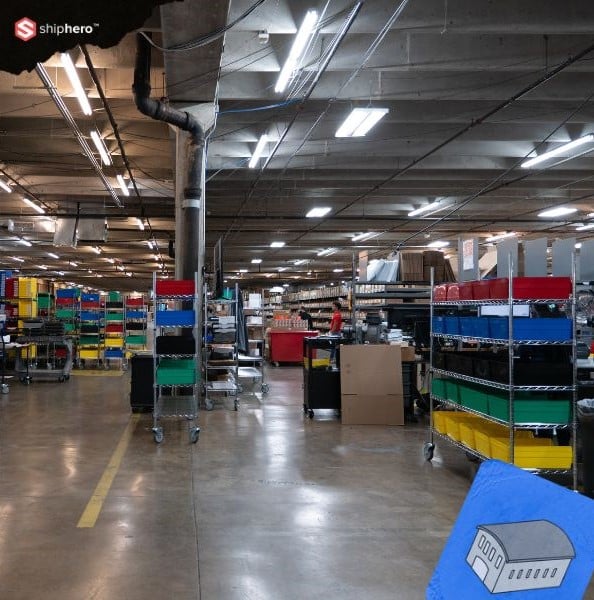
Many businesses turn to third-party logistics (3PL) companies for their shipping, warehousing, and fulfillment needs, but it can be overwhelming to choose the right 3PL provider for your business with so many available options. Any of these five 3PL companies would be a great place to start:
If you know what a 3PL is and why you might need it, then you have five places to start your search. If you don’t know much about 3PLs, keep reading.
Third-party logistics refers to the outsourcing of logistics activities to a specialized company. These companies handle tasks such as transportation, warehousing, inventory management, and order fulfillment on behalf of their clients. By partnering with a 3PL provider, businesses can streamline their supply chain processes and focus on their core competencies.3PL companies offer a wide range of transportation services. They generally have a network of carriers and can negotiate favorable rates for shipping goods. By road, air, rail, or sea, these companies have the expertise to ensure that products reach their destination efficiently and on time. They also handle all the necessary documentation and customs clearance, taking the burden off the businesses.Warehousing is another crucial aspect of logistics that 3PL companies excel in. They have strategically located warehouses equipped with the latest technology and infrastructure to store goods safely and efficiently. These warehouses are often equipped with advanced inventory management systems that allow businesses to track their inventory in real-time. This ensures that businesses always have visibility into their stock levels and can fulfill customer orders promptly.Inventory management is a complex task that requires careful planning and execution. 3PL companies have dedicated teams that specialize in managing inventory. They use sophisticated software systems to track stock levels, monitor expiration dates, and optimize storage space. By outsourcing this function to a 3PL provider, businesses can minimize the risk of stockouts and reduce carrying costs.Order fulfillment is the final step in the logistics process, and 3PL companies play a crucial role in ensuring orders get delivered accurately and on time. 3PL companies often have efficient order processing systems in place to handle everything from picking and packing to labeling and shipping. With their expertise, businesses can provide their customers with a seamless and reliable order fulfillment experience.Overall, partnering with a 3PL provider offers numerous benefits for businesses. It lets the business tap into the expertise and resources of a specialized logistics company, optimize their supply chain, and improve customer satisfaction. By outsourcing logistics activities, businesses can focus on their core competencies and gain a competitive edge in the market.If you're new to the concept of third-party logistics and curious about the breadth of services they offer, our comprehensive overview on 3PL services breaks down everything from warehousing to order fulfillment, equipping you with the knowledge to make informed decisions.
3PL companies come in all shapes and sizes, offering a wide range of services to cater to different business needs. While some 3PL providers specialize in specific industries or regions, others offer comprehensive solutions that can be tailored to any business. The top 5 best 3PL companies on our list have proven track records, extensive networks, and a reputation for delivering exceptional results.
eCommerce businesses, retailers, manufacturers, and distributors are among the industries that commonly use 3PL providers. Startups and small businesses often choose 3PL companies to handle their logistics needs so they themselves can focus on growth and core competencies. Larger corporations also benefit from outsourcing logistics tasks; they can streamline their operations and gain access to specialized expertise. Startups and small businesses often face unique challenges in logistics and supply chain management. Dive deeper into how a 3PL can be a game-changer for small businesses by visiting our detailed guide on 3PL services for small businesses, offering insights to streamline your operations and focus on growth.
The top 5 best 3PL companies mentioned above excel in certain core competencies that set them apart from their competitors. These core competencies include:
When choosing a 3PL provider, it is crucial to consider their fulfillment center locations and warehousing capabilities. The top 5 best 3PLs above have strategically located warehouses across the country, allowing for faster and more cost-effective shipping. These companies have invested in state-of-the-art warehousing facilities that prioritize efficiency, security, and scalability.
eCommerce businesses rely heavily on effective supply chain management to ensure timely order fulfillment. The top 5 best 3PL companies integrate seamlessly with popular eCommerce platforms such as Shopify, WooCommerce, and Amazon. They also support multiple sales channels, including marketplaces like eBay and social media platforms. By leveraging the capabilities of these 3PL providers, eCommerce businesses can enhance their customer experience and boost sales.
When selecting a 3PL provider, consider their track record of customer satisfaction. The top 5 best 3PL companies have a proven history of delivering a high level of service and exceeding customer expectations. They have earned positive reviews and testimonials from their clients, showcasing their commitment to excellence.
If you decide to partner with a 3PL provider, the onboarding process is generally straightforward. It typically involves:
By following these steps, you can start leveraging the benefits of 3PL services and optimizing your supply chain management.
While selecting a 3PL provider, avoid these common mistakes that can lead to poor service or unsatisfactory results:
By being aware of these common mistakes, you can make an informed decision and select a reliable and suitable 3PL provider.
The cost of 3PL services can vary depending on the volume of shipments, storage requirements, and the complexity of logistics operations. 3PL providers typically use a pricing structure that includes fixed costs like warehousing fees, and variable costs based on the services used. Carefully review the pricing details provided by potential 3PL providers so you know it aligns with your budget.
In conclusion, partnering with a reputable 3PL company can significantly optimize your supply chain and enhance your overall business operations. The top 5 best 3PL companies stand out due to their extensive networks, advanced technology, superior customer service, and customizable solutions. When choosing a 3PL provider, consider factors such as industry expertise, technology capabilities, and customer satisfaction. By avoiding common mistakes and understanding the pricing structure, you can make an informed decision and select the right 3PL provider for your business.
3PL stands for Third-Party Logistics. It refers to the outsourcing of logistics and distribution by companies to third-party firms that specialize in warehousing, transportation, and fulfillment services. These third-party providers manage all or a significant portion of a company's logistics functions, allowing businesses to focus on other areas without the need for extensive logistics infrastructure or expertise.
While it is not mandatory, utilizing a 3PL company can provide numerous benefits, particularly for businesses that require efficient supply chain management.
Consider factors such as reputation, industry expertise, technology capabilities, and customer satisfaction when selecting a 3PL provider. Additionally, ensure their services align with your specific business needs.

The ShipHero Model Context Protocol (MCP) connects supported AI clients directly to your live ShipHero data, so warehouse teams can ask questions and get specific answers from their own account. It is built for day-to-day operational checks, including inventory levels, open orders, shipment status, holds, returns, purchase orders, and exceptions. For ShipHero customers, it is available at no additional charge and runs on existing API credits.
Every order, shipment, inventory movement, hold, return, and purchase order creates data inside ShipHero. Your warehouse information is right there, but getting to it can be a slow, complex process.
Before the ShipHero MCP, answering a specific operational question often meant logging in, finding the right report, applying the right filters, exporting data, or asking the one person on the team who knew where to look.
Even when the answer was simple, like a quick inventory check, it could turn into a 20 to 45 minute task. A customer question could sit half a day while someone pulled the right numbers. That delay adds friction to the floor. It slows decisions. It keeps teams waiting on data they already own.
The ShipHero MCP gives supported AI clients secure, read-only access to live ShipHero data.
That means operators can ask questions in plain English and get answers from their actual account, not from a generic help article or static knowledge base. A chatbot can tell you where to find a number. The ShipHero MCP can return the number itself.
It works with MCP-enabled AI clients, including Claude, ChatGPT, Cursor, and Codex. Connect it once, authenticate access, and your team can start asking operational questions from the AI tool they already use.
The workflow is simple:
The MCP does not replace ShipHero. It makes the data inside ShipHero easier to reach when your team needs a fast answer.
The ShipHero MCP is designed for everyday operational questions, such as:
If the data lives in your ShipHero account, the MCP gives your team a faster way to ask for it.
Speed matters, but safety matters too.
The ShipHero MCP is read-only by design. It can retrieve information from your account, but it cannot create orders, modify records, delete data, or change warehouse settings.
That gives teams a practical way to use AI for operational visibility without risking accidental account changes. Operators can ask. Managers can check. 3PL teams can answer client questions faster.
The data becomes easier to use, while the records stay protected.
For founders, the MCP can turn a quick inventory check into a simple question.
For operations leads, it can surface shipment status, holds, exceptions, and low-stock SKUs without digging through reports.
For 3PL operators, it can help answer client questions faster, using live account data instead of manual follow-up.
The result is a faster way to reach the information already inside ShipHero.
The ShipHero MCP is available to all ShipHero customers at no additional charge. It runs on existing API credits, so specific questions help keep usage efficient.
To get started, visit developer.shiphero.com or contact your ShipHero account representative.
ShipHero MCP is a read-only connection between supported AI clients and your live ShipHero data. It lets users ask operational questions in plain English and receive answers from their actual ShipHero account.
A chatbot usually answers from fixed, generic information. ShipHero MCP connects to live account data, so it can return specific answers about your orders, shipments, inventory, holds, returns, and other ShipHero records.
ShipHero MCP works with AI clients that support the Model Context Protocol, including Claude, ChatGPT, Cursor, and Codex.
No. ShipHero MCP is read-only. It can query data, but it cannot create, update, or delete records in your ShipHero account.
No. The MCP is built for operators and can be connected from a supported AI client in minutes. Developers may use more advanced tools for deeper analysis, but most day-to-day users can work directly with the MCP.
Yes. ShipHero MCP is available to ShipHero customers at no additional charge and runs on existing API credits.

Transitioning to a new Warehouse Management System (WMS) is a high-stakes decision that often triggers concerns regarding downtime, data integrity, and workforce adaptation. As warehouses prepare for 2026 growth, understanding these common hurdles—and the technical solutions that resolve them—is essential for a successful migration. This guide addresses the five primary barriers to adoption and how a high-velocity infrastructure ensures a seamless transition.
Warehouse operators frequently hesitate to upgrade due to perceived risks that can halt operations. These challenges typically include:
To clear these hurdles, a structured implementation strategy is used to prioritize data density and entity clarity.
In the competitive eCommerce landscape, staying stagnant with manual workarounds is often more costly than the transition itself. Moving to a high-velocity WMS converts your warehouse from a cost center into a growth engine by providing Labor Efficiency and ROI through automated routing and reduced authentication friction.
Because the platform is built for the floor worker, features like Workforce Hero allow seasonal temps and new staff to be authenticated and productive in under an hour.
No. High-velocity infrastructure increases visibility by providing Total Real-Time Control. Managers can monitor exactly what is in the Hospital queue and track replenishment in real-time from a single dashboard.
Before going live, a ground-up audit is performed using cycle counting tools. The system's architecture ensures that every movement on the floor is synchronized with sales channels instantly, maintaining 99.9% accuracy.
.png)
Picture a packer at Peak Season. A box is in front of them, a product in each hand, and somewhere on a cluttered desk there's a mouse they need to find to confirm the order. They look down. They hunt. They click. Then they do it again. Thousands of times a day.
That moment of friction is small. But it is never just one moment. Multiply it across your entire pack line, across an entire shift, and you are looking at a measurable and largely invisible drag on your total throughput.
Tap-to-Pack is a purpose-built hardware controller designed by ShipHero to eliminate digital friction at the packing station. It connects via USB-C, requires no drivers or additional software, and syncs automatically with the ShipHero WMS packing app. This new system is now available at the ShipHero Store.
Instead of navigating a screen with a keyboard and mouse, packers execute every high-frequency command — such as selecting box sizes, printing labels, finalizing orders, flagging exceptions — with a single physical tap on one of eight programmable buttons.
Key specifications:
Most warehouses are running 2026 operations on 1990s peripheral standards. The keyboard and mouse were designed for spreadsheets and emails, not high-volume fulfillment. When used at a packing station, they create three compounding problems:
The problem is not your people. It is the tools you are asking them to use.
Tap-to-Pack introduces a "Rodent-Free" packing standard: a workflow where the packer's hands stay on the product, their eyes stay on the work, and the software fades into the background.
The device guides the packer through two feedback systems:
ShipHero customers running Tap-to-Pack are already seeing a 90% reduction in on-screen interactions and a significant increase in the number of orders packed per hour, without adding headcount or changing their warehouse layout.
One of the hardest challenges in fulfillment is absorbing volume quickly, especially during Peak Season, when temporary staff need to reach target productivity fast.
Because Tap-to-Pack's interface is physical and intuitive, there is almost nothing to teach. Pick up the product, follow the light, tap the button. New packers can reach target productivity in minutes rather than hours.
The system is also modular:
Whether you are a growing DTC brand or a high-volume 3PL, Tap-to-Pack is designed so your hardware never becomes a ceiling on what your team can do.
Tap-to-Pack is a programmable, industrial-grade hardware controller that connects to the ShipHero WMS and allows warehouse packers to execute packing station commands, such as printing labels, selecting boxes, and completing orders. All with a single physical button press, eliminating the need for a keyboard and mouse.
The device connects via USB-C and syncs automatically with the ShipHero WMS packing app. It is a true plug-and-play solution: no drivers, no background software, and no manual configuration required.
Yes. Buttons are configurable for a range of packing actions, including Print Label, Complete Order, Select Box Size, and the Hospital function, which flags a problematic order and keeps the line moving without stopping to resolve it on screen.
The system is fully modular. Connect up to two additional 8-button hubs to the Main Hub for a total of 24 programmable buttons, supporting even the most complex multi-step packing workflows.
Tap-to-Pack devices require ShipHero Packing App v1.0 or higher. The current release is v1.1.0.



.svg)