
.svg)

Let’s stay in touch with the ShipHero Blog.


.webp)
The ShipHero Model Context Protocol (MCP) connects supported AI clients directly to your live ShipHero data, so warehouse teams can ask questions and get specific answers from their own account. It is built for day-to-day operational checks, including inventory levels, open orders, shipment status, holds, returns, purchase orders, and exceptions. For ShipHero customers, it is available at no additional charge and runs on existing API credits.
Every order, shipment, inventory movement, hold, return, and purchase order creates data inside ShipHero. Your warehouse information is right there, but getting to it can be a slow, complex process.
Before the ShipHero MCP, answering a specific operational question often meant logging in, finding the right report, applying the right filters, exporting data, or asking the one person on the team who knew where to look.
Even when the answer was simple, like a quick inventory check, it could turn into a 20 to 45 minute task. A customer question could sit half a day while someone pulled the right numbers. That delay adds friction to the floor. It slows decisions. It keeps teams waiting on data they already own.
The ShipHero MCP gives supported AI clients secure, read-only access to live ShipHero data.
That means operators can ask questions in plain English and get answers from their actual account, not from a generic help article or static knowledge base. A chatbot can tell you where to find a number. The ShipHero MCP can return the number itself.
It works with MCP-enabled AI clients, including Claude, ChatGPT, Cursor, and Codex. Connect it once, authenticate access, and your team can start asking operational questions from the AI tool they already use.
The workflow is simple:
The MCP does not replace ShipHero. It makes the data inside ShipHero easier to reach when your team needs a fast answer.
The ShipHero MCP is designed for everyday operational questions, such as:
If the data lives in your ShipHero account, the MCP gives your team a faster way to ask for it.
Speed matters, but safety matters too.
The ShipHero MCP is read-only by design. It can retrieve information from your account, but it cannot create orders, modify records, delete data, or change warehouse settings.
That gives teams a practical way to use AI for operational visibility without risking accidental account changes. Operators can ask. Managers can check. 3PL teams can answer client questions faster.
The data becomes easier to use, while the records stay protected.
For founders, the MCP can turn a quick inventory check into a simple question.
For operations leads, it can surface shipment status, holds, exceptions, and low-stock SKUs without digging through reports.
For 3PL operators, it can help answer client questions faster, using live account data instead of manual follow-up.
The result is a faster way to reach the information already inside ShipHero.
The ShipHero MCP is available to all ShipHero customers at no additional charge. It runs on existing API credits, so specific questions help keep usage efficient.
To get started, visit developer.shiphero.com or contact your ShipHero account representative.
ShipHero MCP is a read-only connection between supported AI clients and your live ShipHero data. It lets users ask operational questions in plain English and receive answers from their actual ShipHero account.
A chatbot usually answers from fixed, generic information. ShipHero MCP connects to live account data, so it can return specific answers about your orders, shipments, inventory, holds, returns, and other ShipHero records.
ShipHero MCP works with AI clients that support the Model Context Protocol, including Claude, ChatGPT, Cursor, and Codex.
No. ShipHero MCP is read-only. It can query data, but it cannot create, update, or delete records in your ShipHero account.
No. The MCP is built for operators and can be connected from a supported AI client in minutes. Developers may use more advanced tools for deeper analysis, but most day-to-day users can work directly with the MCP.
Yes. ShipHero MCP is available to ShipHero customers at no additional charge and runs on existing API credits.
Transitioning to a new Warehouse Management System (WMS) is a high-stakes decision that often triggers concerns regarding downtime, data integrity, and workforce adaptation. As warehouses prepare for 2026 growth, understanding these common hurdles—and the technical solutions that resolve them—is essential for a successful migration. This guide addresses the five primary barriers to adoption and how a high-velocity infrastructure ensures a seamless transition.
Warehouse operators frequently hesitate to upgrade due to perceived risks that can halt operations. These challenges typically include:
To clear these hurdles, a structured implementation strategy is used to prioritize data density and entity clarity.
In the competitive eCommerce landscape, staying stagnant with manual workarounds is often more costly than the transition itself. Moving to a high-velocity WMS converts your warehouse from a cost center into a growth engine by providing Labor Efficiency and ROI through automated routing and reduced authentication friction.
Because the platform is built for the floor worker, features like Workforce Hero allow seasonal temps and new staff to be authenticated and productive in under an hour.
No. High-velocity infrastructure increases visibility by providing Total Real-Time Control. Managers can monitor exactly what is in the Hospital queue and track replenishment in real-time from a single dashboard.
Before going live, a ground-up audit is performed using cycle counting tools. The system's architecture ensures that every movement on the floor is synchronized with sales channels instantly, maintaining 99.9% accuracy.
Picture a packer at Peak Season. A box is in front of them, a product in each hand, and somewhere on a cluttered desk there's a mouse they need to find to confirm the order. They look down. They hunt. They click. Then they do it again. Thousands of times a day.
That moment of friction is small. But it is never just one moment. Multiply it across your entire pack line, across an entire shift, and you are looking at a measurable and largely invisible drag on your total throughput.
Tap-to-Pack is a purpose-built hardware controller designed by ShipHero to eliminate digital friction at the packing station. It connects via USB-C, requires no drivers or additional software, and syncs automatically with the ShipHero WMS packing app. This new system is now available at the ShipHero Store.
Instead of navigating a screen with a keyboard and mouse, packers execute every high-frequency command — such as selecting box sizes, printing labels, finalizing orders, flagging exceptions — with a single physical tap on one of eight programmable buttons.
Key specifications:
Most warehouses are running 2026 operations on 1990s peripheral standards. The keyboard and mouse were designed for spreadsheets and emails, not high-volume fulfillment. When used at a packing station, they create three compounding problems:
The problem is not your people. It is the tools you are asking them to use.
Tap-to-Pack introduces a "Rodent-Free" packing standard: a workflow where the packer's hands stay on the product, their eyes stay on the work, and the software fades into the background.
The device guides the packer through two feedback systems:
ShipHero customers running Tap-to-Pack are already seeing a 90% reduction in on-screen interactions and a significant increase in the number of orders packed per hour, without adding headcount or changing their warehouse layout.
One of the hardest challenges in fulfillment is absorbing volume quickly, especially during Peak Season, when temporary staff need to reach target productivity fast.
Because Tap-to-Pack's interface is physical and intuitive, there is almost nothing to teach. Pick up the product, follow the light, tap the button. New packers can reach target productivity in minutes rather than hours.
The system is also modular:
Whether you are a growing DTC brand or a high-volume 3PL, Tap-to-Pack is designed so your hardware never becomes a ceiling on what your team can do.
Tap-to-Pack is a programmable, industrial-grade hardware controller that connects to the ShipHero WMS and allows warehouse packers to execute packing station commands, such as printing labels, selecting boxes, and completing orders. All with a single physical button press, eliminating the need for a keyboard and mouse.
The device connects via USB-C and syncs automatically with the ShipHero WMS packing app. It is a true plug-and-play solution: no drivers, no background software, and no manual configuration required.
Yes. Buttons are configurable for a range of packing actions, including Print Label, Complete Order, Select Box Size, and the Hospital function, which flags a problematic order and keeps the line moving without stopping to resolve it on screen.
The system is fully modular. Connect up to two additional 8-button hubs to the Main Hub for a total of 24 programmable buttons, supporting even the most complex multi-step packing workflows.
Tap-to-Pack devices require ShipHero Packing App v1.0 or higher. The current release is v1.1.0.
Imagine running a warehouse where orders are picked quickly, inventory is accurate, and all operations run smoothly without any errors or delays. Thanks to Artificial Intelligence, this can now become a reality with ease.
AI is transforming warehouse management by enhancing efficiency, intelligence, and the ability to meet the rapid demands of today’s eCommerce-driven market.
ShipHero is pioneering this revolution with its AI-powered warehouse solutions, setting new industry benchmarks. This article explores ShipHero’s AI Picking feature, highlighting how it’s transforming warehouse management and enhancing operational efficiency.
The integration of AI technologies, including machine learning, robotics, and predictive analytics, is revolutionizing warehouse operations, driving significant improvements in efficiency, accuracy, and overall performance. These innovations are optimizing processes across various areas, from inventory management to order fulfillment. Below are the key benefits of AI in warehouse management.
A combination of AI technologies is shaping smarter warehouse systems to help revolutionize warehouse management.
ShipHero has taken AI integration to the next level with its AI Picking feature, designed to significantly improve warehouse efficiency. This feature automates the picking process, reducing the reliance on manual labor and enhancing productivity in ways that were once thought impossible.
Let’s dive deeper into how ShipHero’s AI Picking works and the advantages it offers.
AI Picking optimizes warehouse operations in two key ways:
The AI Picking feature delivers a wide range of benefits:
The transformative power of AI extends far beyond just picking. AI is also revolutionizing other aspects of warehouse management, driving improvements in operational efficiency, inventory management, and safety.
AI automates tasks, reducing errors and increasing speed. Automated sorting and real-time inventory tracking ensure accuracy, while real-time monitoring helps managers adapt and ensure timely deliveries.
AI plays a vital role in maintaining accurate inventory levels. By leveraging predictive analytics, AI can forecast demand and optimize stock levels, helping warehouses avoid both stockouts and overstock situations. This leads to better inventory management and fewer disruptions in supply chains.
AI-driven systems can monitor warehouse conditions to ensure safety and compliance with industry regulations. These systems can analyze warehouse data and predict potential hazards before they occur, proactively reducing risks and ensuring a safer working environment.
AI technologies are playing a transformative role in the supply chain and logistics sectors by improving efficiency, reducing costs, and enhancing decision-making.
These intelligent systems effortlessly manage supply chain processes by using data to optimize operations, predict trends, and automate routine tasks. This ultimately reshapes everything, from how goods are moved to stored and delivered.
The future of warehouse management looks promising with greater automation and efficiency, but future warehouse digitization brings challenges, such as high upfront costs and the need for skilled personnel.
AI-powered drones, autonomous robots, and IoT integration are smart warehouse technologies that are revolutionizing warehouse operations. Drones will deliver goods quickly, while robots automate sorting and transportation, thereby reducing the need for manual labor.
IoT and AI integration will enable real-time monitoring and optimization of operations. Smart technology in warehouses is leading to fully automated systems that are faster, scalable, and need minimal human input.
While AI offers immense benefits, businesses must also consider certain challenges. High initial investments in AI technology, data security concerns, and the need for skilled personnel are just a few of the hurdles that must be addressed.
However, with a strategic approach, companies can eliminate the challenges and embrace AI’s full potential to boost accuracy in picking and improve overall warehouse operations.
AI minimizes error by automating tasks like inventory tracking, order picking, and sorting, ensuring greater accuracy and efficiency.
Yes, AI-driven predictive analytics can predict demand, track inventory levels, and improve supply chain efficiency by forecasting needs with greater accuracy to help businesses stay ahead of trends and market fluctuations.
AI solutions are becoming more cost-effective thanks to cloud-based services and subscription pricing models. These options make AI technology more accessible to small businesses, allowing them to take advantage of its benefits without large upfront costs.





With the popularity of subscription services on the rise, it's no surprise that eCommerce businesses are looking into this innovative and convenient model. But just how much can subscriptions improve customer retention? In this blog post, we'll delve deeper into the benefits of subscription models and explore how these strategies can bolster user engagement, drive business success, and increase overall customer satisfaction. Bid farewell to your old approaches to customer retention — there's a new modern solution in town!
Subscription business models have taken over the economy. Instead of paying a hefty one-time fee upfront, subscription business models have conditioned customers to buy in and pay multiple payments spread throughout the year. This means subscription businesses can focus on customer retention rather than acquisition, leading to longer lifetime values (LTVs) per customer. Rather than ownership of physical goods or services, subscribing has flipped the script and ushered in a new wave of subscription-oriented lifestyle choices.
The curation model is one of the most popular subscription services, with boxes tailored to every person's personal needs and preferences. From beauty sets to cheese boards – whatever your vice is, there’s a subscription box for it. The curated approach is what sets this model apart from the other types of subscriptions available; it offers customers an ever-changing and exciting selection of products that are all unique to their tastes!
Example:
The Birchbox subscription service sends monthly subscription boxes containing two to six beauty products from more than 200 brands. Personalized boxes are sent based on a quiz, and the same product is never sent twice. Customers can purchase the full-size product directly from the website, improving retention and LTV.
Replenishment subscription models often referred to as "subscribe and save," are an increasingly popular option for busy people who wish never to run out of toilet paper or coffee pods again. This type of eCommerce establishes a recurring revenue model and ensures customers receive their purchases at predetermined intervals, allowing retailers to confidently and accurately predict inventory needs. If you sell everyday consumables, embracing this subscription strategy could give you a competitive edge.
Example:
Subscribers to Dollar Shave Club receive blades and shaving products regularly based on their needs. After completing the initial quiz, the customer can customize the suggested box to include the products they want. Customizing these specific features is the key difference from a curation model.
Access-focused subscriptions offer familiar customers exclusive discounts, early access, and more. Access models are all the rage in fashion and food verticals but can also be found among digital subscription brands. A subscription model allows you to benefit financially and insight into future forecasting, but it's also a great way to show your valued customers some love. When customers feel special, their loyalty toward your brand is likely to increase.
Example:
Clearly, streaming media subscriptions, such as Netflix, are here to stay. Just having the ability to access unlimited shows and movies whenever you want is a fantastic perk and a great example of the access model in action! This model allows viewers to enjoy extra features like no commercials or early access to their favorite shows by signing up for more exclusive paid services.
Tracking what content subscribers engage with is a great way to determine what people are interested in and whether you're hitting the mark with your content. By observing which stories they’re clicking on and products they’re talking about, you can determine which topics will be the most successful. On top of that, you can better tailor the content that runs in the future to suit their tastes. Getting this right is essential if you want to keep your subscribers engaged and coming back for more!
Welcome new subscribers and make sure they're aware of their subscription's benefits! An effective onboarding process will ensure that your subscribers are connected to your brand and understand the value of their subscription. When it's time for them to decide whether to renew, you can be sure that they are already invested in the product and that their decision is easy. Subscribers will appreciate a great welcome, and you'll be on your way to building a long-term relationship with them.
Encourage existing subscribers to renew by optimizing customer service and actively engaging with your current subscriber base. Doing this will build personal relationships with them and lay the foundation for a long-term relationship. At the end of their subscription, you'll be able to have meaningful conversations that remind your subscribers of the great value they've already experienced from your service, which makes it much easier for them to hit "renew" when the time comes.
Reduce subscriber churn by knowing which of your subscribers are most likely to cancel. You can get ahead of potential cancellations by using data-driven insights to identify these high-risk customers and understand why their intentions may differ from other subscribers. From there, you can build targeted strategies to re-engage them and ensure they stay part of your subscriber base!
Measure and test any initial promotions or offerings. Try creating different discounts with different lengths of offers—this can help identify which works best at drawing in and retaining subscribers. Keep in mind that discounted subscriptions should also include your most engaging content if you want those readers to stick around. So don’t be afraid to experiment with various promotional offers; this is an excellent way to find out what attracts—and keeps—subscribers on board!
Offering exclusive subscriber-only benefits is a great way to increase loyalty and show your customers that you appreciate them. These benefits could range from tailored content, discounts on products or services, early access to new developments—or all of the above! However you choose to structure these offers, they will surely inform your subscribers that you prioritize their business and are committed to providing them with high-quality content and services.
Subscription models have become increasingly popular due to the range of benefits on offer. Price is a significant factor driving customers to subscriptions as companies offer discounts for bulk orders, keeping prices lower than store-bought equivalents. Plus, these companies tend to deliver directly to your door - making them an easy and convenient option too.
On top of that, most subscription services personalize their offerings with tailored deliveries, which add an extra touch and make the customer feel special. All this has ensured that subscriptions are rising in popularity, with reports showing 100% year-over-year growth for the last five years – so hop on board and join the subscription revolution!
Subscription models are a revolutionary way of tackling customer retention. With subscriptions, you can strategize the best approaches for creating relationships between you and your customers that extend beyond profit.
Companies can benefit from increased customer engagement and recurring revenue to support their business. When done strategically, big brands can also use their existing assets to launch new initiatives and acquire more subscribers.
Subscriptions also offer customers convenience, security, and reliability of products and services they need regularly. All in all, subscription-based revenue models can be advantageous for both the customers and the companies.
Subscribe to our blog to learn more, or click HERE to schedule a meeting today!
—
Maggie M. Barnett, Esq. COO of ShipHero - Author
About the author: Maggie M. Barnett, Esq., is the COO of ShipHero. She is responsible for planning and executing the overall operational, legal, managerial, and administrative procedures, reporting structures, and operational controls of the organization. Barnett’s greatest strengths are leadership, risk mitigation, change management, and a passion for business transformation. She is known for her expertise in delivering operational excellence and ability to provide guidance and mitigate risk. Her leadership of ShipHero is grounded in a servant mentality, always doing the right thing for our stakeholders. Her passion for ShipHero comes from the ability to drive operational excellence throughout the organization impacting the lives of our employees, customers, and partners.
.svg)
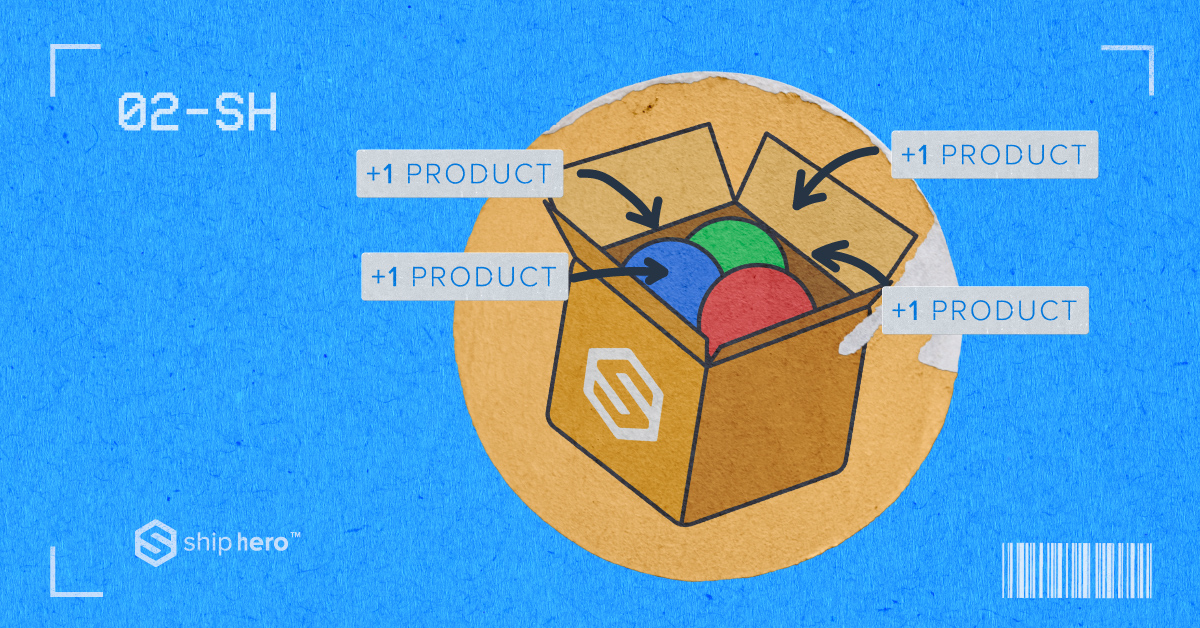
Packing multiple products under one SKU is known as kitting. Basically, kitting is combining two or more related items into one neat package. No need for customers to browse through multiple options - kitted bundles make getting what you want effortless!
Kitting services are one-way businesses can streamline their operations: outsourcing kitting to a third-party fulfillment company helps keep costs down for retailers and their customers when it comes to final product fulfillment - you get what you need with no unnecessary packages!
Kitting services also come in handy in manufacturing; instead of struggling with in-house assembly, the retailer can trust that a third party is putting everything together. Kitting services give businesses breathing room too, so they don't have to waste precious time assembling products and can focus on selling more products instead.
Packaged-ready-to-order sets are great for those looking to add convenience and speed of delivery to their shopping experience. Examples of kitting include buying pre-made gift baskets, 10-piece kitchenware bundles, or a 5-pack of your favorite T-shirts in assorted colors. So, rather than searching through individual items, customers can find exactly what they're looking for.
Subscription boxes are the best of both worlds. Customers enjoy their favorite products without lifting a finger, and businesses get trustworthy customers who keep coming back for more. Examples of subscription kitting can range from sports drinks, supplements, and coffee, to beauty products--and most anything that you need on a recurring basis.
Assembled products in kitting are a powerful tool for streamlining operations in the manufacturing and wholesale world. Instead of having customers guess at the best combination or shopping for individual pieces, you can offer a build-to-order or create-to-order process that lets them start from a blank slate.
Here are some tried and true benefits of kitting for both retailers and customers alike.
Kitting and bundling product orders together reduce fulfillment costs - it's the new way to save time and money. Instead of selling and fulfilling every item one by one, organizing them as an all-in-one package with benefits like faster shipping times and fewer materials used is a simple (and often overlooked) way to reduce overall expenses.
Getting people on board with your newest product can be a real challenge. A great way to convince hesitant customers and demonstrate the worth of a product? Kitting! This promotional tool helps ensure no one misses out on the greatness you're offering while also helping prove that the product is valuable. Who wouldn't want to try something in a cool kit – especially when it includes items they already love?
It's no surprise that customers love to get the most bang for their buck, kitting creates the perfect opportunity to take advantage of that. Stacking items together allows you to provide attractive packages that deliver a higher-order value without loss of quality - and if there is one thing everyone loves more than savings, it's convenience. Customers won't even blink an eye at spending more for bundles when it means they don't have to find the right combination individually or go to the store.
Suppose you're looking for an easy way to eliminate products that have taken up space in your inventory; opt for putting together a kit or bundle. Saying goodbye to those items doesn't have to be a headache. In fact, it can quickly help you turn over your inventory when you mix and match the items with more popular complementary products. A cleverly packaged kit is a great way to move more products and free up space for new arrivals.
Shopping doesn't have to be a chore for your customers; kitting can make it much more enjoyable! Customers don't need to break out their detective skills to create the perfect gift; instead, they need the simplicity of picking a tailored kit. It's an excellent way for shoppers to simplify their shopping journey during the busy holiday season - time saved, money saved, and no decision fatigue!
Kitting products in a warehouse may seem intimidating, but with the proper planning, it doesn't have to be. Done right, warehouse kitting is a surefire way to save costs and improve quality control.
Warehouse management software (WMS) with kitting rules can automate this process. ShipHero not only provides kitting in our fulfillment, but we're also an excellent resource for kitting advice.
Many third-party logistics (3PL) companies know the ins and outs of kitting and can provide an efficient solution that ensures accurate kitting and fast delivery. With their help, you can wow customers with your speed and dependability.
ShipHero's WMS and outsourced fulfillment solutions make kitting (and its perks) simple to access. With kitting, you'll get all the benefits without lifting a finger. Alex Lewkowict, Founder of Black Wolf Nation and ONE23 Fulfillment, says it best: "The rate shopping alone will pay for the software. Add in the bulk shipping and kitting, and {Black Wolf Nation and ONE23 Fulfillment} are so much more efficient."
Kitting is the perfect way to skyrocket your business's efficiency and appeal to customers, all while building bonds with them and creating unforgettable products. By utilizing kitting services, businesses can stay ahead of the competition in the ever-changing buying landscape. Kitting adds a unique, personalized touch to your products, making them stand out among the rest. Grab hold of this opportunity to make more money off of each and every sale and start providing the ultimate customer experience you always envisioned while running your business. To keep up with more innovative ways to build your business, subscribe to our blog!
or

—
Maggie M. Barnett, Esq. COO of ShipHero - Author
About the author: Maggie M. Barnett, Esq., is the COO of ShipHero. She is responsible for planning and executing the overall operational, legal, managerial and administrative procedures, reporting structures and operational controls of the organization. Barnett’s greatest strengths are leadership, risk mitigation, change management and a passion for business transformation. She is known for her expertise in delivering operational excellence and an ability to provide guidance and mitigating risk. Her leadership of ShipHero is grounded in a servant mentality, always doing the right thing for our stakeholders. Her passion for ShipHero comes from the ability to drive operational excellence throughout the organization impacting the lives of our employees, customers, and partners.
Follow Maggie on Twitter&LinkedIn.
—
Kitting consists of packaging items together into a single new product with its own SKU, which is then sold as a single new item.
Grouping related items into a single product offering is the first step in the kitting process. After the items are organized in the warehouse, they can be quickly packed and shipped to customers. Kitting can also be outsourced to companies that pick, pack, and ship the items.
Using kitting in logistics, products are bundled together and delivered as a single unit.
Kitting can boost sales and increase efficiency. Pairing it with more trendy items will help businesses move less-popular merchandise. In addition, the price per item is usually lower, which creates value for customers. So, kitting can increase revenue and profit while increasing customer satisfaction.
Are you looking for a way to simplify your eCommerce shipping and logistics? If so, consider using a Canadian third-party logistics (3PL) provider. This is a perfect option, whether expanding into the Canadian market or trying to find a better fulfillment solution. With all the benefits of working with a 3PL in Canada – from improved customer experience to reduced transit times – you’ll wonder why you didn’t jump on board sooner. Keep reading as we explore why you should use a Canadian 3PL!
If you're an eCommerce seller, you know what it's like to be stuck with mountains of orders and need somewhere to put them before sending them. This is where a 3PL partner with prime warehouse space comes into play: allowing businesses to store their products in arrival-ready spots and quickly get them off to customers.
But what exactly is a 3PL? It stands for third-party logistics, companies specializing in taking care of the logistics needs of businesses related to freight shipping, distribution, and warehousing. On top of this, 3PLs should have integrations with top eCommerce platforms to collaborate on order fulfillment. Plus, they also need partnerships with mail carriers like Canada Post to ensure that products can be shipped safely from one destination to another -- something any successful business will want assurance on.
For more information about 3PLs, read our blog, The Ultimate Guide to Third-Party Logistics.
With Canadian eCommerce fulfillment, expanding your market share couldn't be easier. Canadian 3PLs specialize in handling eCommerce fulfillment projects - so why waste time trying to figure out Canadian customs when you have a Canadian 3PL expert ready to do it for you? They will not only make sure to guide you through all Canadian tax legalities, but they'll also ensure that your goods are shipped quickly, securely, and cost-effectively.
Canadian 3PLs have emerged as a critical partner for eCommerce businesses looking to expand their operations. Canadian-based logistics providers are taking the lead in getting goods shipped quickly and cost-effectively, regardless of where inventory is sourced. With Canadian 3PL services, businesses can feel confident that their products or services will move from supplier to consumer with speed and agility.
But Canadian 3PLs offer more than just fast delivery—they can also help companies find the right balance between location and labor. By choosing the right industrial real estate properties, Canadian 3PLs have access to quality employment opportunities and hyperlocal amenities that help create an efficient supply chain. It's all part of creating a winning strategy on the digital shelf!
Canadian 3PLs can offer your eCommerce business many logistics services you won't find with other companies. For instance, Canadian 3PLs bring the invaluable benefit of experience with Canadian regulations, so you won't have to worry about surprises. Plus, they can provide customs clearance and brokerage services; in other words, they take care of all the paperwork for you!
Canadian 3PLs also offer unbeatable convenience—they can pick up goods at induction points across Canada and provide an uninterrupted transition from start to finish. As a bonus, Canadian 3PLs let business owners get in on Section 321, which enables duty reimbursement or duty deferral for goods crossing the Canadian-American border. (Restrictions apply. Visit our Section 321 page for more information.)
Retailers have to navigate a constantly changing landscape, making it no surprise that 3PLs have become such a hot commodity. Most retailers understand the importance of finding the right Canadian 3PL provider that can help keep up with their eCommerce needs. But not all Canadian 3PLs are created equal: some offer comprehensive services like website hosting and mobile commerce enablement, while other Canadian 3PLs may provide basic warehousing and order fulfillment. To ensure you’re getting the perfect 3PL for the job, it’s important to take your time and do your homework. Analyze reviews, get reference reports, and be sure you’ve found a Canadian 3PL with all the bells and whistles you need for success.
Business owners around the nation can breathe a sigh of relief, ShipHero is one of the top Canadian 3PLs. Everybody has access to their fast and cost-saving Canadian warehouse locations thanks to their presence in Canadian cities such as Toronto and Vancouver, plus access to Calgary, Ottawa, Montreal, and Quebec City (to name a few). Canadian businesses can now receive up to a 20% reduction on all shipments annually - allowing them to save money and pass those savings along to their customers! So if you’re a Canadian business looking for top-notch shipping options – look no further than the Canadian experts at ShipHero.
—
Click HERE to Schedule a Meeting Today
About the author: Maggie M. Barnett, Esq., is the COO of ShipHero. She is responsible for planning and executing the overall operational, legal, managerial and administrative procedures, reporting structures and operational controls of the organization. Barnett’s greatest strengths are leadership, risk mitigation, change management and a passion for business transformation. She is known for her expertise in delivering operational excellence and an ability to provide guidance and mitigating risk. Her leadership of ShipHero is grounded in a servant mentality, always doing the right thing for our stakeholders. Her passion for ShipHero comes from the ability to drive operational excellence throughout the organization impacting the lives of our employees, customers, and partners.

If you're about to take your eCommerce business to the next level, selecting the right 3PL (Third-Party Logistics) partner is an essential success factor. Not only do they help manage your day-to-day operations and fulfillment but having a reliable 3PL can also streamline customer service, reduce costs, and drive growth. We'll outline key considerations so you can confidently choose a 3PL that meets all your unique needs!
3PLs are the real MVPs of eCommerce. By leveraging 3PLs, merchants can offload a sizable portion of their supply chain management and never worry about fulfilling orders on time. With 3PLs handling everything from warehousing to order fulfillment and shipping coordination to retail distribution, exchanges, and returns, merchants can sit back and let their 3PL do all the heavy lifting. In the end, 3PL partners mean more time for merchants to focus on other areas of their business rather than managing their own warehouses or logistics.
3PL has revolutionized eCommerce, allowing businesses to choose the right 3PL partner and focus on maximizing sales rather than worrying about supply chain management. If you're considering a 3PL partner for your business, be sure to weigh these factors on how to choose a 3PL provider that's right for you!
When you’re on the hunt for a 3PL, how do you decide which provider is the right fit? Capability is key: if your third-party provider doesn’t have the capacity and expertise to cover all your bases, from fulfillment services and reverse logistics to subscription box solutions, you may be in for a bumpy ride. Keep an eye peeled for providers offering flexibility and feature-rich integrations with your eCommerce platform – that way, as consumer demand continues to skyrocket, you can rest assured knowing you've picked a partner able to roll with the punches. With capability and scalability in spades, there won't be any supply chain kinks that they can't help you iron out!
When it comes to stability in the logistics industry, you deserve the best. That's why it pays to look for a 3PL with a track record of adapting to a changing market – ensuring your business that potential innovations won't rock their stability down the line. Plus, multiple locations allowing for shorter shipping times and increased national reach is a bonus – so you can have confidence that your supply chain needs are taken care of! An esteemed reputation for providing top-notch service is worth considering when it comes to peace of mind.
How do you ensure your 3PL has the best reputation around? Find a partner that knows the importance of making connections! It's not just about happy customers - it's about happy vendors, carriers, and employees. A great 3PL will take the time to understand your business needs, so communication is key here - make sure they take their engagement levels seriously and bring in their expertise. With a compatible culture and shared values, you can be sure they'll exceed expectations every step of the way.
When it comes to safety, what you should look for in a 3PL is the same thing you’d do when checking the brakes on a cart: check twice and confirm. Spot-check that your 3PL has the most up-to-date PCI, FDA, and DEA certifications and a HAZMAT Shipping Certification. After all, safety first!
With a third-party logistics provider, customer service and attention to detail often make or break the relationship. The good news is that experienced 3PLs will rise to the occasion to provide business solutions that leave you nodding your head in approval, like how easy it is to calculate savings and track delivery times. Plus, with omnichannel retail taking over the market, you'll want to find a partner that knows how to navigate through these complexities and provide top-tier customer experiences. Look for someone with an impressive track record, a reusable approach, and expertise in handling similar operations.
If you're feeling cramped and think it might be time to upgrade your operations, outsourcing is an ideal option. You only need the perfect third-party logistics provider who can make scaling up a breeze. Your provider can help you address peak demand without investing in physical infrastructure and personnel. Don't forget to ask them one crucial question: “What’s the maximum amount of scalability you offer?” That way, you'll know just how easily they can pick, pack, and ship your goods should demand suddenly skyrocket.
Third-party logistics can help your business stand out by providing customized solutions tailored to your unique needs. Each provider will offer a unique blend of software integrations, postponement strategies, and tailored production techniques - so make sure you work with an experienced 3PL who can leverage these things. Once you kick off the process, you'll be able to tap into cost savings while still providing excellent service.
When it comes to 3PL providers, there's no room for inaccuracy. If your 3PL can't keep its inventory and orders accurate, you're in for a world of customer disappointment and not-so-fun losses. Make sure the 3PL partner you pick employs a robust Warehouse Management System that keeps order and inventory accuracy levels high. It's worth all the effort to find the right provider because, in this business, accuracy is everything!
Responding quickly and effectively when issues come up is a key factor of success for any company or individual. It can be the difference between a smooth-running operation and one that consistently trips up on large and small snags. Since no one can predict the future, understanding the importance of being responsive helps ensure that whatever comes your way is addressed in an efficient and timely fashion. Don't leave your customers hanging - make responsiveness a priority! After all, how would you feel if you were constantly waiting around for answers?
In this ever-changing technological era, how do you choose the right 3PL provider for your business? Well, it's simple: get yourself one that provides enterprise-level tech. Nothing says 'sophistication' quite like having a streamlined order-to-delivery process – and that's exactly what advanced technology solutions can give you. And while you might not require such complex systems now, who knows how future-proof you'll want your business to be in the near future? So don't take any risks - ensure your 3PL has robust technology from the get-go!
You don’t have to worry about how much a 3PL costs; in fact - it could save you money! Bulk ordering from the same vendor can save your bottom line with discounted rates. And who knows, if you’re persuasive enough, you might even command better terms for yourself. You won’t need to invest in warehousing and haulage tech, labor costs, and the like - 3PLs can do everything for you. That means no more spending money on expensive mistakes and worrying about how to handle logistics without help.
Taking your eCommerce business to the next level is no small feat and choosing your 3PL partner can be a make-or-break factor. Your 3PL can help you manage operations, streamline customer service, reduce costs, and drive growth, but how do you know they're right for you? Well, that's where due diligence comes in. Weigh out all the options mentioned in this blog, and don't settle until you find one with enough experience and savvy to fuel your eCommerce rocket ship. When it comes to WMS, ShipHero has the goods.
So, if ShipHero WMS powers your 3PL, rest assured that your business will be on its way to success in no time!So, there you have it! If you want to learn more about all things 3PL, check out our guide here, which dives deeper into this fascinating world! These are just a few reasons why choosing the right 3PL is essential to your business success.
—
About ShipHero: We make it simple for you to deliver your eCommerce. Our software helps you run your warehouse, and our outsourced shipping solutions eliminate the hassle of getting your products to your customers. With thousands of brands and 3PLs relying on us daily, we’re here to help with all your logistics needs.Stay informed about everything in third-party logistics by following ShipHero on LinkedIn and subscribing to our newest blogs and updates.
Click HERE to Schedule a Meeting.
Ready or not, the future of 3PLs is here! Companies are constantly seeking strategies to optimize workflow and ensure their goods get to customers quickly and efficiently. To stay competitive in this ever-evolving landscape and remain successful, 3PL providers must embrace new technologies, stay organized, and boost efficiency. In this blog post, we'll explore the future of 3PLs and discuss strategies for getting organized and becoming more efficient.
3PL organization can be tricky, but it’s essential for operating at peak efficiency. Not only is there the challenge of keeping up with daily tasks and staying organized in the present, but 3PL centers must also look to the future and plan accordingly.
Establishing an efficient 3PL organization structure will enable your operation to remain competitive for years. Implementing organizational solutions like strategic product grouping, ergonomic layouts, and optimized replenishment cycles are all examples of what 3PL companies should use when creating a successful warehouse system now and in the future.
If 3PL organizations want to optimize their existing warehouse space, creating a more organized facility is the key. It starts with ensuring inventory is accurate for better visibility and then investing in 3PL warehouse management software for improved automation and 3PL billing software for efficient payments.
Then, you can reach new heights through vertical space utilization with stackable pallets that take up less space. Visual aids are like mini cheat sheets that make picking easier, so take advantage of that. Finally, don’t forget the power of cleanliness—keep your 3PL facility neat and tidy for a painless experience at every step.
Maximizing warehouse efficiency is vital, but it requires the proper organization to make the necessary improvements within your warehouse management software and overall procedures. If done correctly, these steps could help your 3PL organization save time and money and allow a competitive edge in the market.
With so much opportunity in modernizing warehouses, 3PL organizations should carefully consider automation to improve efficiency and reduce worker efforts for maximum output success. Moreover, 3PL organizations should always consider the return on investment (ROI) when evaluating costs associated with investing in technology and integrating lean best practices into their operations.
In short, improving efficiency may seem expensive at first glance; however, by prioritizing significant investments over minor ones, 3PLs can genuinely reap the benefits of their improved warehouse productivity.
Warehouse efficiency can be the key to success for 3PLs, leading to the following:
A 3PL organization's success may be rooted in the soil of warehouse efficiency. With a well-oiled operation, they can provide remarkable logistical services while enjoying all of the abovementioned benefits.
3PLs have enough going on without constantly worrying over disorganized 3PL services - that's where warehouse management software (WMS) comes in. Put your 3PL organization to the test with a seamless, integrated platform that clients can customize to each customer's needs; no getting lost in the sauce trying to make sense of chaotic processes when you implement WMS.
Cross-docking and advanced tracking capabilities mean 3PLs don't have to worry about time-consuming, tedious tasks. They can keep all their 3PL services running smoothly, saving them from missteps or costly delays.
3PLs must be ready - because technology isn't standing still. In an increasingly fast-paced and competitive world, 3PL providers must stay ahead by embracing new technologies and getting organized with efficiency-boosting strategies.
Luckily, there are several ways to boost efficiency in your warehouse. You can increase organization and efficiency with a warehouse management system and proper use of warehouse space. After all, since 3PL operations are responsible for such an essential role in many businesses' success, you must keep up with the times and stay ready for whatever comes next.
If you're looking for ways to make your operation run smoother, try ShipHero's Warehouse Management Software today! And remember - an efficient 3PL is a happy 3PL.
—
About ShipHero: We make it simple for you to deliver your eCommerce. Our software helps you run your warehouse, and our outsourced shipping solutions eliminate the hassle of getting your products to your customers. With thousands of brands and 3PLs relying on us daily, we’re here to help with all your logistics needs.
Stay informed about everything in third-party logistics by following ShipHero on LinkedIn and subscribing to our newest blogs and updates.

Are you feeling overwhelmed as your eCommerce business grows? Can't quite keep up with the demand but don't have the capital to invest in a massive supply chain infrastructure of your own? You don't need to. With a 3PL (third party logistics), you can access sophisticated systems, warehouses, and transportation networks that provide unmatched customer service and cost savings. In this blog post, we'll explore how tapping into 3PL infrastructure may be just what's needed for growing eCommerce businesses to weather even the stormiest market.
If you’ve never seen the impact of third-party logistics providers, you may be under the impression that it’s an expense you can do without. But trust us when we say that it pays off a lot more than doing all your fulfillment in-house! 3PL companies can help merchants – from small businesses to eCommerce empires – with their scalability needs. When faced with unforeseen order growth or a spike in customer demand, working with a third party warehouse and its services can save you time and money in the long run. After all, nothing’s worse for your brand than breaking promises to customers, especially in an era when 60% of global consumers expect same-day or two-day delivery.
3PLs have come a long way since the days of organizing physical products in dusty warehouses - they've brought technology to infrastructure! Online merchants are all too aware that keeping up with the big retailers means implementing advanced 3PL tech, such as their warehouse management system (WMS). A WMS allows 3PLs to connect data from various sources, enabling end-to-end visibility into every single order. Wherever you send it, you can track it! So what exactly does this mean? In short, online merchants can more easily compete with larger retailers by turning to technology-enabled 3PLs for services.
Partnering with 3PL services can help give you a leg-up in today’s competitive world, but it’s essential to be sure the 3PL infrastructure can keep up with your business growth. Before signing on, evaluate the 3PL's existing logistics operations—are they set up to store, pack, and efficiently pick orders while accommodating a rise in inventory? Additionally, ask about the cost and if any steep start-up fees come into play. While upfront costs may seem high, future savings may be unlocked when you consider what is included in the quote - from less overhead to lower labor costs down the line. Ask your 3PL vendor what reporting capabilities they offer; this allows you to track areas such as order accuracy and timeliness of deliveries, along with any potential risks or liabilities associated with broken or lost items. You'll also want to confirm that 3PL integrates well with your existing inventory, order management, and warehouse management software for a smooth transition into 3PL services. Are you looking for warehouse software that works for 3PLs? ShipHero's warehouse management system comes with integrations plus real-time reporting, the perfect combo for staying ahead of the future of your business!
The 3PL infrastructure, which is tailor-made for the e-commerce industry, makes it easy for small to medium-sized businesses to launch their products worldwide and scale up their operations on demand. However, 3PL isn’t entirely sunshine and rainbows - there can be hiccups ranging from extra fees to lags in shipping standards. As always, it’s important to weigh the advantages and disadvantages of 3PL in your decision-making process before investing time and energy into outsourcing logistics.
When many brands join forces and leverage the volume of their orders, they can negotiate better rates from carriers. That's why 3PL providers are so great: You may be small in number alone, but together you’ll get heard loud and clear for discounted prices that lead to greater profits per order.
So how do you compete with Amazon Prime to get packages to customers? Building tons of warehouses across the country might be expensive, but you can hit that two-day mark without breaking the bank by using a 3PL.
Real-time transparency gives brands the advantage of being in direct control: accurately stocked shelves and order status updates that come lightning fast. With paperless warehouse operations and Tier 1 WMS data at your fingertips, you can keep a refreshed eye on every detail - from macro to micro!
Instead of relying on a go-it-alone approach, tap into 3PLs strategic partnership networks to get your hands on solutions specifically made for you. From integrated tools and offers to highly customized experiences—you can make it happen with these trusted partners!
It's clear that when it comes to 3PL providers, there's no free ride - you'll have to pay the piper for setup costs such as software integration, SKU uploads, and account access.
Instead of packing your orders, wouldn't it be nice to have a third party do the job for you? But beware - working with 3PLs means relying on their hours and workflow. It's best to plan ahead when engaging such services, as any disruption could lead to hiccups in delivering your goods.
Choosing the right 3PL partner isn't just about getting a good deal – although that doesn’t hurt. You'll have to put in some homework and carefully vet reviews, size, reach, and service offerings before you can confidently shake hands with your ideal 3PL provider!
ShipHero, with 3PL infrastructure and software that seamlessly integrate with Shopify and Returnly (to name a few), is undoubtedly a 3PL partner you’ll want to know about. With ShipHero’s one-stop shop for 3PL services, you can rest easy knowing that your inventory will always be on track. And saving money? That’s a no-brainer! Thanks to real-time ship rate shopping and built-in reporting features that cover COGS, picker/packer efficiency, replenishment, and more… we might be the best 3PL for Shopify you have ever tried!
3PLs are often the unsung heroes of a shipper's operations, providing an invaluable infrastructure to help them track inventory, orders, and logistics with greater precision and certainty. Their solutions offer robust analytics, machine learning capabilities, and automated toolings for pricing, booking, and documentation, allowing shippers to make better decisions backed by fact-based data quickly. Despite the apparent advantages 3PLs present to businesses of all sizes, many fail to take advantage of 3PL tech solutions. As 3PLs have become essential in managing supply chains, it is time for shippers to reevaluate 3PL advantages and disadvantages and prioritize using their 3PL business relationships more effectively to stay one step ahead of their competition. 3PLs are the future of eCommerce. By tapping into their infrastructure, you can level up your customer service while saving money on warehousing and transportation.
.jpg)
Following the rise of the Industry 4.0 technology boom during the COVID-19 crisis, the logistics and shipping industry continues to depend on warehouse automation. Novel solutions like warehouse management software make modern processes more efficient than ever, leaving the days of human error and slow delivery behind.
If you haven’t incorporated warehouse automation solutions into your operations, this introduction to new technologies will highlight why you need them.
Warehouse automation is the process of computerizing inventory management and increasing efficiency for repetitive tasks, such as physical work or data entry. This software eliminates the need for human intervention through artificial intelligence.
Digital automation uses software to process real-time data and manage inventory tracking. Some of these processes might include:
These digital processes provide multiple benefits, such as:
With that in mind, digital automation technology is costly. Upfront costs include the software, necessary hardware, employee training programs and maintenance costs.
In addition, going digital can potentially increase cybersecurity risks. However, data encryption can typically mitigate these dangers.
Physical automation in the warehouse involves using robots and machines to increase workflow efficiency and perform manual tasks. These responsibilities might include robotic picking, automatic sorting and advanced retrieval systems.
Using mobile robots can provide many benefits, such as:
However, like digital automation, physical automation is expensive, given that few people have experience handling robots. In addition, robotic solutions demand intense planning that most low-volume warehouses cannot afford.
Warehouse automation works by using software and autonomous robots to automate repetitive or administrative tasks. Basic automation can be achieved through warehouse management systems (WMS) that streamline daily warehouse operations such as:
Depending on inventory volume, some warehouses may use robotic retrieval systems to move cargo from point A to point B. However, most warehouse automation systems for smaller businesses simplify repetitive tasks by automating them.
There are four primary types of warehouse automation, including the following:
You should automate your warehouse to reduce human error in manual processes, prevent inventory loss, meet customer expectations and many other reasons. Below are the benefits of warehouse automation:
Different systems could benefit you depending on your specific warehouse processes. Consider the following product solutions.
GTP systems utilize vertical lift systems, conveyor belts and carousels to increase warehouse picking speed and overall efficiency.
This mechanized automation system uses magnetic strips and sensors to navigate throughout your warehouse and facilitate item picking. They are ideal for smaller warehouses with minimal human traffic.
AMRs are similar to AGVs with the addition of a GPS. Users can create AMR routes using laser guidance systems to avoid blockages and obstacles. Compared to AGVs, AMRs can navigate more complex layouts.
This fulfillment technology employs material-carrying vehicles, loaders and shuttles that store and retrieve orders. AS/RS systems are best for high-volume storage locations with limited space.
Pick-by-voice systems enable users to curate optimized pick paths for picking or putting away an item. With this system, workers don’t need scanners to find inventory.
Automating your warehouse processes requires ample planning with stakeholders and managers. You can quickly get started with these simple steps:
A robust warehouse management system can help modern warehouses by offering the following benefits:
Warehousing industry trends change over time, and it’s important to keep up to stay competitive. Below are a few popular warehousing trends to keep an eye on:
AI-powered and machine-learning tools are an excellent way to improve forecast accuracy. Through predictive analysis, managers can upgrade warehouse equipment on time, identify performance issues and prevent delays. Advanced systems with these capabilities can also shut equipment down before it fails, saving thousands in repair costs.
You can liken IoT data collection to optimizing a smart home in warehouse settings, where sensors collect data to improve warehouse environments.
For instance, smart lighting systems can turn warehouse lights on and off depending on the time of day and who is present on site. Alternatively, smart HVAC systems can adjust warehouse temperatures according to new inventory or present employees.
Autonomous warehouse robotics provide impressive cost savings because they require minimal human interaction. Warehouse robots can pick orders, conduct inventory checks and move items depending on your needs – all on their own.
Blockchains act like digital ledgers in warehouse settings, making real-time updates accessible and shareable amongst managers and stakeholders. They can notify order recipients when to expect deliveries and managers when to refresh stocks.
The blockchain’s traceability is especially advantageous to food and beverage businesses with time-sensitive stocks.
Work-from-home positions became increasingly popular following the pandemic, so it’s no surprise that remote warehouse management within distribution centers is now more common than ever. Remote management simplifies diagnostics – owners can identify functionality problems off-site and plan repairs the following morning.
As technology advances, the opportunities warehouse automation presents are virtually endless. Consider these takeaways if you want to strengthen your supply chain through warehouse automation.
If you’re looking for logistic partners you can depend on, your search ends with ShipHero. Our eCommerce shipping services save you time and money while ensuring your customers get the best experience possible.
The latest technologies used in warehouses include AI-powered predictive analysis, warehouse robotics, smart setups, improved traceability through the blockchain and remote management.
WMS typically employs technology like data collection software or autonomous robots. What technology you should use depends on your warehouse’s specific requirements.
The current technologies warehouse owners use for automation include:
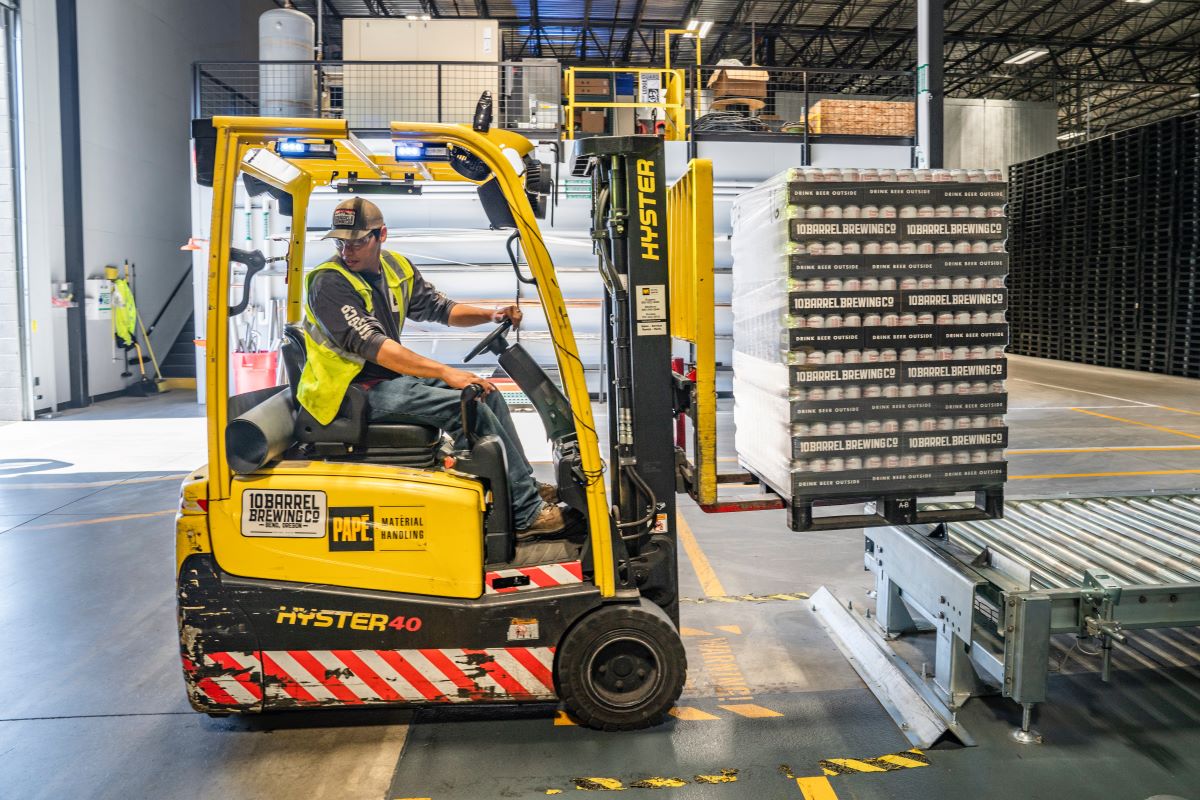
Warehouse automation refers to the use of technology and automation to improve the efficiency and productivity of warehouse operations. This can include the use of mobile robots and other automated equipment and softwares to handle tasks such as picking, packing, moving and tracking inventory, and shipment tracking. Warehouse automation can help reduce the need for manual labor and improve accuracy and speed in the fulfillment of orders. While automation in warehouses is still a fairly new concept, there are already a wide range of solutions available and several warehouses have begun adopting as much automation as possible. Especially within the recent COVID years where supply chain and logistics companies were expected to double (and sometimes more) their workloads.
Warehouse automation solutions are technologies and systems that are used to automate various tasks and processes in a warehouse. These solutions can include things like automated storage and retrieval systems, robotic pickers and packers, and advanced warehouse management software. The goal of these solutions is to increase efficiency, reduce errors, and improve the overall operation of a warehouse. Some common benefits of warehouse automation solutions include reduced labor costs, faster fulfillment times, and improved accuracy and tracking of inventory.
Warehouse management systems are a type of software used to manage and optimize the operations of a warehouse. This can include tasks such as tracking inventory levels, managing orders and shipments, and coordinating the movement of goods within the warehouse. Warehouse management systems often include features such as real-time inventory tracking, order management, and data analysis tools which can help businesses improve their warehouse operations. Some warehouse management systems also include integration with other business systems, such as accounting, inventory management, and CFM software, to provide a comprehensive view of a company's operations.
The specific functionality of a warehouse automation software system can vary depending on the specific needs of the warehouse and the type of software being used. However, most systems will use a combination of sensors, barcode scanners, and other technologies to track the movement of goods within the warehouse. This data is then used by the software to generate reports and provide real-time updates on inventory levels, order status, and other important information.
Several advantages are available when it comes to warehouse automation. However the two that stand out above the rest are the ability to complete more on-time delivered with better data, and improved order processing speeds. Let’s take a closer look at each.
Better warehouse data can lead to more on-time deliveries because it allows warehouses to more accurately track and manage their operations. For example, if a warehouse has accurate data on its inventory levels, it can quickly identify when it needs to restock and avoid running out of popular items. This can help warehouses fulfill orders more quickly and prevent delays in the delivery process. Additionally, accurate data can help warehouses track the status of orders and shipments, allowing them to identify potential bottlenecks and take steps to resolve them. This can help warehouses improve their planning and coordination, leading to more on-time deliveries.
Third-party logistics (3PL) providers often use automation to improve the speed of their operations. This is because automation can help warehouses operate more efficiently by reducing the need for manual labor and increasing the speed at which tasks are completed. For example, automated storage and retrieval systems can quickly and accurately retrieve items from a warehouse, and robotic pickers and packers can quickly and accurately pick and pack items for shipment. This can help 3PL providers fulfill orders more quickly and improve overall productivity, leading to faster delivery times for their clients. Additionally, automation can help third-party logistics providers reduce labor costs, which can also help improve their bottom line and make their services more competitive.
Automated warehouses store more goods in less space by using technologies such as automated storage and retrieval systems. These systems use advanced algorithms and robotics to efficiently store and retrieve items, allowing warehouses to use their space more efficiently.
Automation also helps reduce the need for manual labor and increases the speed at which tasks are completed which can lead to faster delivery times for clients and build client loyalty. Because manual labor is reduced, accuracy improves because of a reduction for the potential in human error. This can be especially important for businesses that operate in industries with strict quality and safety requirements, such as the pharmaceutical or food and beverage industries.
If you are a third-party logistics provider looking to improve your operations through automation, there are several solutions you should consider. These solutions can include:
These systems use advanced algorithms and robotics to efficiently store and retrieve items in a warehouse, allowing you to use your space more efficiently and improve the speed and accuracy of your operations.
These systems use robotics to quickly and accurately pick and pack items for shipment, reducing the need for manual labor and improving the speed of your operations. They are often utilized with a human at a picking station, and a robot moves to them, telling them the items needed for an order, the human then puts the items in the robots basket and scans the items in to confirm so workers no longer need to walk to different pick stations to build an order.
Also known as a WMS, this type of software can help you track and manage your inventory, orders, and shipments, by providing real-time updates on the status of your operations and helping you make more informed decisions.
Consider integrating your warehouse automation solutions with other business systems, such as accounting and inventory management software, to provide a comprehensive view of your operations and improve overall efficiency. If you don’t know how to do this yourself, there are partners like ShipHero who can help you get started.
The right automation for your logistics will depend on your specific needs and goals. It may be helpful to consult with an expert to determine the best solutions for your business.
To find the right warehouse automation solution for your business, there are a few steps you should take:
Before you start looking for a warehouse automation solution, it is important to have a clear understanding of what you want to achieve and what specific challenges you are looking to solve. For example, are you looking to improve the speed and accuracy of your operations, reduce labor costs, or better manage your inventory? Identifying your needs and goals will help you narrow down your options and find a solution that is right for you.
Once you have a clear understanding of your needs and goals, you can start researching the different warehouse automation solutions that are available. This may include reading reviews, attending industry events, and consulting with experts in warehouse automation. It is also a good idea to visit other warehouses that are using automation to see how the solutions are working in practice.
Once you have identified a few potential solutions, it is important to carefully evaluate each one to determine which is the best fit for your business. This may include conducting pilot tests or demonstrations, comparing the features and capabilities of different solutions, and considering the potential cost and benefits of each solution.
After evaluating your options, it is time to choose a warehouse automation solution and implement it in your warehouse. This may involve training your staff, integrating the solution with other business systems, and making any necessary changes to your warehouse operations. It is important to carefully plan and manage the implementation process to ensure a smooth transition and maximize the benefits of the solution. The provider you choose for your solution should have processes to help you implement the new warehouse automation software.
By carefully considering your needs and goals, researching your options, and implementing the right solution, you can improve the efficiency and effectiveness of your warehouse operations.
Warehouse automation can help you reach new speeds and accuracies within your warehouse operations. Whether you are looking for a warehouse provider to handle the entire order process for you, or have a warehouse which you need automation solutions for, Shiphero can help.
ShipHero offers both fully outsourced warehousing and a warehouse automation platform which helps businesses automate and optimize their warehouse. The platform includes a range of tools and features including tools for tracking, managing inventory levels in real-time, customizing order processing rules, shipment tracking, and integrating with other business systems and e-commerce platforms (such as Shopify, Amazon, and Magento). Which means by using ShipHero, you can save time, reduce labor costs, and better manage your inventory to improve your bottom line.
3PL stands for third-party logistics. In the context of warehousing, 3PL refers to a company that provides outsourced logistics services, such as warehousing and fulfillment, to other businesses. Generally, they offer a range of services, including storage, order fulfillment, and transportation, to help businesses manage and optimize their supply chain operations and often use automation to provide value to their clients.
The four types of 3PL providers include a standard 3PL provider, a 3PL service provider, a 3PL customer adapter, and a 3PL customer developer. Below is a definition of each:
Automation is widely used in warehouses to improve efficiency and productivity. Some examples of automation in warehouses include the use of automated guided vehicles (AGVs) to move goods around the warehouse, automated sorting systems to sort packages and items, and automated storage and retrieval systems (ASRS) to store and retrieve items from their designated locations. Automation can also be used in other aspects of warehouse operations, such as inventory management and order fulfillment.

The Internet of Things (IoT) refers to the interconnectedness of everyday objects, such as appliances, vehicles, and other items, that are equipped with internet connectivity and sensors. This allows them to collect and exchange data, enabling them to be controlled and monitored remotely. The goal of the IoT is to make our lives easier and more efficient by allowing us to access information and control a wide range of devices from anywhere, at any time.
IoT technology can be used in warehouse management to improve efficiency and productivity. For example, IoT sensors can be used to track the location and condition of inventory in real time, allowing warehouse managers to quickly and accurately assess the availability of items. This can help to reduce the time and labor required for inventory management tasks, such as stock-taking and reordering. Additionally, IoT sensors can be used to monitor the condition of the warehouse environment, including temperature and humidity levels, to ensure that inventory is stored in optimal conditions. This can help to prevent damage and spoilage of goods, improving overall warehouse efficiency.
In the context of warehousing, IoT technology can be used to improve various aspects of the operation, such as inventory management, asset tracking, and temperature control.
For example, sensors can be placed on warehouse shelves to track the inventory levels of individual items. This information can then be sent to a central system, allowing managers to have real-time visibility into the status of their inventory. Additionally, RFID tags can be attached to assets, such as pallets or containers, to automatically track their location within the warehouse. This can help improve the efficiency of operations, as workers can quickly and easily locate the items they need.
These types of devices usually utilize smart sensors and gather data so it can be processed by any IoT-based systems. These devices can help monitor the warehouse and can track placement of assets and items left in a warehouse.
This connects the IoT devices to your warehouse management system. These connections can happen through the WiFi network, a bluetooth connection, an ethernet connection, or even a cellular network.
The server should be a dedicated computer which receives the raw IoT data. This data will be processed into insights or saved for future use. And it largely helps in automation of warehouse processes because a server sends commands to smart devices with developed algorithms. You can use two types of servers for your IoT warehouse automation, the first is a cloud-based server which means the shared server is maintained by a third-party company. And the second is an on-premises server which is a server physically installed in your warehouse that creates a local IoT device network.
This is what is installed on your desktop so the user can interact with the data collected from IoT devices and also allows the user to send commands to IoT devices from their computer to help and maintain the warehouse management inventory tracking system.
If you are a larger warehouse with a high amount of IoT systems, you are likely to use edge computing. This layer sits between the gateway and data storage and allows extra edge nodes to review data from the smart IoT devices and send direct commands without the information needing to be reviewed by the central server or an application user.
The use of IoT (Internet of Things) technology in warehouse automation can bring numerous benefits to businesses. Some of these benefits include the following:
One of the main advantages of using IoT in warehouse automation is the ability to track and monitor inventory in real-time. This can help businesses reduce the amount of time and effort spent on manual inventory checks and improve the accuracy of their inventory records. In addition, IoT technology can be used to automate many warehouse tasks, such as picking and sorting items, which can help increase productivity and reduce the need for manual labor.
When using an automated warehouse you often require less space and staff. Plus because of the IoT programing you will likely experience a reduction of costs because these processes prioritize and reduce congestion, improve sustainability efforts, and optimize processes.
Because IoT optimizes your warehouse, you’ll find your ability to pick and pack orders as well as onload and sort inventory has increased both in speed and efficiency. The IoT sensors offer data on how to optimize working areas and allow you to reduce the use of manual labor and occurring errors.
With IoT devices you’ll have continual visibility into your inventory because the RFID tags within these devices will provide the information needed. You can track the status of materials (raw, work-in-progress, finished goods) as well as the type of materials. Plus you’ll always have an accurate inventory count.
IoT devices use predictive maintenance which means you can schedule maintenance and inspection routines systematically so your business and your clients can avoid experiencing the frustrations of unplanned downtime.
Because of the consistency in understanding inventory counts and order volumes, with IoT devices your forecast accuracy will skyrocket. Which means you will have a stronger understanding of what to purchase more of and what is just sitting on your shelf.
IoT technology can help improve the safety of warehouse workers by enabling the use of automated equipment and robotics. This can help reduce the risk of accidents and injuries on the job, improving overall workplace safety.
Another benefit of IoT-powered warehouse automation is the ability to collect and analyze data on warehouse operations. This data can be used to identify areas for improvement and optimize warehouse processes, leading to increased efficiency and cost savings. For example, data analysis can help businesses determine the most efficient routes for picking and packing orders, reducing the amount of time and effort spent on these tasks.
RFID stands for radio-frequency identification. An RFID tag is a small device which uses radio waves to transmit information wirelessly. It typically consists of a small chip and an antenna, and are commonly used in a variety of applications, including inventory tracking, access control, and contactless payments. In the context of warehousing, RFID tags can be attached to pallets, containers, and other assets to automatically track their location within the warehouse. This can help improve the efficiency of operations, as workers can quickly and easily locate the items they need.
Warehouse smart sensors are sensors used to monitor and track various aspects of a warehouse, such as inventory levels, temperature and humidity, and the movement of goods. These sensors are typically connected to the internet, allowing them to transmit data to a central system where it can be accessed and analyzed. They can also be used to track the inventory levels of individual items, providing real-time visibility into the status of the warehouse's inventory. This can help managers ensure they have the right products on hand to meet client demand, and can help prevent stock-outs and overstocking.
An IoT beacon is a device which uses Bluetooth technology to transmit a signal to nearby devices, such as smartphones or other sensors. Beacons are often used in location-based applications, such as retail stores or museums, to provide information or services to nearby clients or visitors. In warehousing, IoT beacons can be used to track the location of assets and inventory within the warehouse. A beacon attached to a pallet of goods can transmit its location to a central system, allowing managers to track the movement of goods within the warehouse in real-time.
AI cameras are cameras which are equipped with artificial intelligence (AI) technology, allowing them to analyze and interpret the visual data they capture. This can enable them to perform tasks such as object recognition, facial recognition, and motion detection. Using AI cameras in a warehouse allows employees to track the movement of goods within the warehouse, providing real-time visibility into the location of inventory and assets. AI cameras can also be used for security purposes, such as monitoring access points and identifying unauthorized individuals.
Warehouse GPS trackers are devices that use the Global Positioning System (GPS) to track the location of assets and inventory within a warehouse. These devices typically consist of a GPS receiver and a transmitter, which are attached to the assets being tracked. Warehouse GPS trackers can help workers quickly and easily locate the items they need, reducing the time and effort required to find and retrieve items. Additionally, GPS tracking can help prevent loss or theft of assets, as managers can monitor the movement of goods within the warehouse and identify any unauthorized activities.
Smart HVAC systems, or smart heating, ventilation, and air conditioning systems, are HVAC systems equipped with sensors and connected to the internet, allowing them to be controlled and monitored remotely. The use of smart technology in HVAC systems allows for greater control and efficiency. For example, sensors can be used to monitor the temperature and humidity of a space, and the system can be automatically adjusted to maintain optimal conditions.
Warehouse automated guided vehicles (AGVs) are robotic vehicles used in warehouses to move goods and materials from one location to another. These vehicles are equipped with sensors and other technology that allows them to navigate autonomously within the warehouse, following predetermined paths or instructions. AGVs can be used for a variety of tasks in a warehouse, such as moving goods from one location to another, loading and unloading trucks, or transporting materials to and from production areas. They can operate 24 hours a day, seven days a week, providing a reliable and efficient means of handling goods within the warehouse.
Blockchain item tracking refers to the use of blockchain technology to track and manage the movement of goods and assets within a supply chain. Blockchain is a distributed database technology that allows multiple parties to securely record and verify transactions without the need for a central authority. While item tracking a blockchain can be used to create a shared and immutable record of the movement of goods and assets within a supply chain. Each transaction, such as the transfer of ownership or the movement of goods from one location to another, can be recorded on the blockchain, providing a transparent and verifiable record of the item's history.
AR glasses, or augmented reality glasses, are wearable devices which can superimpose digital information onto the real world. In a warehouse setting, AR glasses can be used to provide workers with real-time information and guidance, helping them to perform their tasks more efficiently. By simply looking at a particular shelf or location, workers can see the items stored there, along with any relevant information, such as quantity or expiration date. This can help workers quickly and easily locate the items they need, reducing the time and effort required to find and retrieve items.
Drones, or unmanned aerial vehicles (UAVs), can be used in warehousing for a variety of tasks, such as inventory management, asset tracking, and security. For example, drones equipped with sensors and cameras can be used to scan warehouse shelves and automatically count and track the inventory levels of individual items. This can provide real-time visibility into the status of the warehouse's inventory, allowing managers to quickly and easily identify any shortages or overstocks.
Overall, using IoT to automate your warehouse is a good way to boost your efficiency and bring your warehousing operations into the future. If you’d like to talk to an expert on how to automate your warehouse, check out ShipHero!
Warehouse automation encompasses anything which automates and improves the efficiency of warehouse tasks. This can include software, hardware, people, and robotics which can be integrated in every part of warehouse operations including unloading and sorting inventory, picking and packing items, capturing warehouse data, automated retrieval of items, and automated shipping processes.
IoT automation refers to the use of IoT (Internet of Things) technology to automate various processes and tasks. IoT automation involves the connection of physical devices, such as sensors and actuators, to the internet, allowing them to send and receive data. In a warehouse setting, IoT automation can be used to improve various aspects of operations, such as inventory management, asset tracking, and temperature control.
While IoT is a new trend in the logistics industry, it is one way in which many warehouses have found the answer to every warehouse’s question: How do I ship faster and more accurately? With IoT, many warehouse processes can be automated in order to reduce operation costs, boost performance, reduce human error, and lower risks.
From conveyor belts to aerial drones, warehouse automation has been around for decades. But as the COVID-19 pandemic triggered a massive eCommerce boom and reshaped supply chains, warehouse robotics is proving to be not only beneficial to logistics and supply chain management but also essential for any business that wants to thrive in the years to come.
Whether you're a business owner or third-party logistics provider, familiarizing yourself with warehouse robotics technology can help you gain a competitive edge and future-proof your business.
Warehouse robotics is the use of automated systems and machines (or robots) to assist in essential warehouse tasks. That said, it refers not only to the machines but also to the software used to control each one.
Warehouse robotics is part of a larger system called warehouse automation.
Warehouse robotics has evolved over the years from simple AGVs that carry heavy materials across warehouse floors to collaborative bots or "cobots", mobile robots that can be programmed to follow workers around and perform a range of tasks.
The origin of automation technology in the warehouse can be traced back to 1913 when Henry Ford first implemented the moving assembly line, a system of conveyor belts that allowed Ford to produce automobiles at record speed. This revolutionized the manufacturing industry and ushered in a new era of utilizing technology to produce and deliver goods more efficiently. In the following years, warehouses would adopt the use of forklifts and hand trucks to shuttle large quantities around.
By the 1950s, the first AGVs were introduced. These driverless vehicles could move heavy loads along a predetermined route guided by magnetic sensors.
American inventor George Charles Devol, also known as the father of robotics, invented the first robotic arm, Unimate in 1954. Its use became popular in industrial applications by the 1960s, when other innovations such as the first automated storage and retrieval system (AS/RS) took off as well. Today's AS/RSs store and retrieve items for workers, allowing humans to remain at their stations and out of danger.
The ‘80s and ‘90s saw the rise of integrating hardware and software to create a unified system. By the 2000s, warehouse automation involved the Internet of Things (IoT), interconnected "smart" devices that could interact over a wireless network.
Artificial intelligence-powered robots, aerial drones and computer vision systems are among the latest technologies that are changing our approach to automation in the warehouse.
Warehouse robots can aid in a myriad of warehouse tasks, including:
Picking refers to the process of locating and retrieving products to fulfill an order. Industrial robots can be used to either pick out products themselves and transport them to the next location or assist workers with things like identification and verification.
Sorting is a complex task that is often prone to error. Using cameras, sensors and conveyor systems, robots can speed the sorting process up and reduce errors at the same time.
Moving massive amounts of inventory across large areas is labor-intensive, time-consuming and even potentially dangerous. Things like automated guided vehicles (AGVs), which can transport goods along set routes without any human guidance, take away the stress of mobilizing products from one part of the warehouse to another – giving workers more time to perform other tasks.
Warehouse automation systems can keep track of inventory levels and notify workers when stocks are low. Advanced robots like aerial drones can also scan inventory and count items, then update the warehouse management system.
Pick-and-place robots can quickly pick products up and place them into boxes or bags along conveyor belts. Using computer vision systems, some robots can also calculate the ideal box size for different types of products.
Here are some of the benefits of implementing robotic technology in warehouses and fulfillment centers:
By automating routine and menial tasks around the warehouse, robots can free human employees up to tackle more complex challenges that require careful judgment and higher levels of skill.
One major fear that people tend to have around robots is whether they will replace human workers. Experts say that this isn't likely to happen soon. Instead, humans will be "crew chiefs" and have more managerial roles over their robot teams. The aim is to improve the quality of experience for warehouse workers, who face burnout from doing repetitive tasks day in and day out.
They don't call manual labor back-breaking work for no reason. Repetitive warehouse work can lead to overexertion and overuse injuries like nerve injuries, muscle strain, rotator cuff injuries, neck and spine injuries, tendonitis and carpal tunnel syndrome. The work's repetitive and monotonous nature can also lead to increased stress, low morale and burnout.
With the help of robots, which can perform a bulk of the strenuous and repetitive tasks involved in running a warehouse, businesses can keep their employees healthier and happier for longer.
Aside from being physically and mentally taxing, warehouse work can be dangerous as well. A survey by the US Bureau of Labor Statistics ranked transportation and warehousing among the private sectors with the highest rates of nonfatal occupational illnesses and injuries.
Some of the top causes of warehouse accidents include slips, falls and trips, manual handling injuries, forklift injuries and injuries caused by falling objects. But all these can be avoided with the help of warehouse robotics. Built-in sensors and LiDAR scanners can keep AMRs from bumping into people and objects in their way, mobile robots and AS/RS can replace manual forklifts and aerial drones can keep workers from manually counting tall stacks of inventory – reducing their risk of falling from dangerous heights.
Human error can compromise the workplace in a variety of ways, including damaging expensive machinery, affecting the quality of products, causing accidents and injuries and impacting a business' overall profitability.
Warehouse automation and robotics can reduce the incidences of errors caused by human workers by improving accuracy and efficiency in warehouse operations. Complicated processes are relegated to robots that can multitask far better than any human worker, and physically demanding tasks are performed by machines that can handle much larger loads.
Given that robots can perform warehouse tasks day in and day out without tiring, needing breaks or getting distracted by other tasks, it's easier for warehouses to predict how much time it takes to process orders and get them to customers.
With artificial intelligence, warehouses can also make more accurate predictions when it comes to demand surges, inventory stockouts, machine maintenance, etc.
Aside from predicting demand surges, warehouse robotics can also help your warehouse adapt to busy seasons. Instead of hiring and training new employees, which can take several weeks and cost your business money, you can rely on your robotics to shoulder the load.
With a faster, more efficient and less error-laden fulfillment process, it's easier to keep customers happy with your service. And with more helping hands (albeit non-human ones) on the warehouse floor and a centralized hub for all customer, order and supplier information via your warehouse management system, you can provide more seamless and accurate customer service.
When customers notice the consistency of your service, you create a brand image that is synonymous with quality, efficiency and innovation. Soon enough, you'll establish yourself as a brand that can keep up with (and potentially even outpace) the leaders in your industry.
There are many different kinds of warehouse robots. These are some of the most popular ones in use today:
AS/RS are software-controlled systems that can place and retrieve goods automatically. These systems comprise several components that work together to speed up order fulfillment.
These are just a few examples of components that fall under AS/RS:
AGVs are independently operated, self-propelled vehicles guided along defined pathways. These robots can navigate warehouse floors. Instead, they use magnetic strips, floor sensors or wire-guided navigation to get around.
Modern AGVs utilize cameras and/or laser-guided systems to move around, eliminating the need for external tracks or tapes on the floor.
An autonomous mobile robot or AMR is like an AGV in the sense that it can move around a warehouse without human guidance or assistance. However, unlike AGVs, AMRs don't need tracks or routes.
Using sensors and GPS systems, autonomous robots can move independently, create their own routes, reroute when faced with obstacles and perform a variety of tasks such as:
Cobots are robots that work hand-in-hand with human workers. Cobots can be programmed to perform a variety of tasks across different workstations, typically repetitive activities like picking, placing and packing goods.
Unlike traditional robots, which are typically isolated for safety reasons, cobots can work side-by-side with human staff. They're equipped with sensors and other safety technologies that pause their movements when they run into people.
In the warehousing industry, aerial drones are mainly used for inventory management. Using cameras and sensors, drones can take on the task of inventory scanning from several feet in the air, eliminating the need for workers and pickers for manual inventory counting.
Robotics brings all kinds of benefits to a warehouse, including improved efficiency, lower error rates and a happier workforce.
And although there are sizable upfront costs to warehouse automation, they pay off eventually. Studies show that increased use of robotics can lead to a 25 to 30% reduction in average labor and manufacturing costs.
As eCommerce grows, so does the demand for faster and more accurate fulfillment. And with the way warehouse automation and robotics have advanced in the past decade, it's become clear that robots are becoming more of a necessity in the warehouse.
If you want to stay ahead of the game and keep your employees happy, then perhaps it's time to look into robotics for your warehouse.
Amazon uses a combination of different kinds of robots in their warehouses, including automated guided vehicles by Kiva Systems, a fully autonomous mobile robot called Proteus and a robotic work cell that picks, segregates and places packages into a GoCart called Cardinal.
Some of the top robotics companies that make warehouse robots include ABB, Kuka, Yaskawa, Fetch Robotics, Locus Robotics, 6 River Systems, Omron and Daifuku.
Robotics are used in warehouses to automate tedious and repetitive tasks, improve worker safety and efficiency and boost overall productivity and profitability.



.svg)