shiphero Blog

WMS

Let’s stay in touch with the ShipHero Blog.

Shiphero logo on a grey background
March 3, 2023

A Guide to Reverse Logistics

In eCommerce and retail, reverse logistics can be a complicated concept to wrap your head around. But understanding this process isn't just crucial for warehouse managers—it's absolutely essential! To show you how easy it is to get into gear with reverse logistics, we've crafted this comprehensive guide full of helpful tips, tricks, and advice on everything from streamlining returns to optimizing inventory flow. Read on if you're ready to make reverse logistics work in your favor!

In eCommerce, returns aren't just about the refund – it's also about how long it takes to process those items. With labor shortages, retailers are feeling the pinch more than ever. According to eCommerce statistics gathered by the National Retail Federation and Appriss Retail, return merchandise was worth a whopping $816 billion last year – without any change in the average rate of return of 16.5%. But don't panic just yet! Investing in a WMS (Warehouse Management System) for reverse logistics can help warehouse managers separate physical returns from accounting while contributing to sustainability and financial health.

What is Reverse Logistics?

Reverse logistics sounds like a spaceship's reverse engineering, but it refers to the work done after something has been sent out for consumption. So when you return that shirt you never wore, dispose of some sort of electronic device, get things repaired and shipped back, or recall products due to an issue - that’s what reverse logistics is all about. It’s what happens when something goes awry between point A (source) and point B (consumption).  

Whether it's eCommerce returns solutions or something else, reverse logistics helps companies make the most out of what they do not want - by recovering resources to maximize worth and minimizing the environmental costs associated with returned products and materials. It can also delight customers by providing satisfying exchange and return options due to its efficient nature.

How Reverse Logistics Works

Reverse logistics is vital to the success of eCommerce returns. The process includes multiple steps, with careful planning and coordination necessary to maximize efficiency and minimize costs. Despite its complexity, it offers a great opportunity for businesses to cut costs while improving customer satisfaction and brand loyalty. The general steps in reverse logistics are:

  1. Product Returns: Getting returned products from customers or retailers is the first step in reverse logistics. Returns are then categorized by condition, the reason for return, and destination. 
  2. Inspection and Assessment: Following the return of products, they are inspected and assessed to determine whether they can be resold, refurbished, recycled, or disposed of. By identifying the value of returned products, you can choose how to handle them. 
  3. Refurbishment and Repair: Generally, if returned products need minor repairs or refurbishment, they can be repaired and made ready for resale or reuse. In this step, the products are repaired, cleaned, and repackaged to make them sellable again. 
  4. Recycling and Disposal: Recycling or disposing of returned items may be necessary if they are damaged, expired, or unsellable. During this step, the products are separated into different waste streams and disposed of responsibly. 
  5. Logistics and Transportation: Logistics providers can coordinate with repair centers, recycling facilities, or resale channels to ensure the products are delivered to the appropriate locations.

Types of Reverse Logistics

There are several types of reverse logistics, each designed to handle a specific aspect of the product lifecycle and recover value from returned products. Some common types of reverse logistics include:

  • Returns Management: In this process, we handle returns from customers or prevent returns from happening in the first place. 
  • Return Policy and Procedure (RPP): RPPs are the policies about returns a company shares with its customers. 
  • Remanufacturing or Refurbishment: Remanufacturing, refurbishing, and reconditioning involve repairing, rebuilding, and reworking products. 
  • Unsold Goods: For unsold goods, reverse logistics handles returns from retailers to manufacturers. 
  • End-of-Life (EOL): EOL means a product is no longer useful, doesn't work, doesn't meet a customer's needs, or is replaced with a newer version. 
  • Delivery Failure: Whenever a failed delivery occurs, drivers return the product to sorting centers, who then return it to the source.

5 Rs of Reverse Logistics

The 5 Rs are principles that help businesses maximize returned products' value while lowering supply chain waste. By following them closely, companies can recover assets from formerly unusable goods and reduce the environmental impact on our world! Let’s dive into each one.

  1. Returns: Managing product returns includes issuing return authorizations, receiving and inspecting returned products, and managing the reverse flow of products. 
  2. Recalls: Due to government regulations, recalls are often a more complex way to return products. 
  3. Refurbishment: Refurbishing means repairing, cleaning, and repackaging products. It extends product life, reduces waste, and recovers value. 
  4. Repackaging: What happens when customers return products because they're unhappy with them, not because they're defective? Usually, repackaging the product will allow it to be resold. 
  5. Recycling: A recycling process takes old products and recovers raw materials. The process involves separating and processing products into their constituent materials, which are then used to manufacture new ones.

Reverse Logistics Examples

Reverse logistics are an ever-present force in many industries, offering clever solutions to secondhand parts and products. Take retail, for instance; when products are returned, reverse logistics allow companies to resell, refurbish, and recycle them. Electronics and automotive fare similarly - the former has remanufacturing and refurbishing at the ready, while the latter's reverse logistics often take the shape of remanufactured auto parts.

In the food sector, reverse logistics use waste to create compost and animal feed. As for healthcare, reverse logistics may take back unused or expired medications from pharmacies, and apparel companies reclaim used clothing for resale, renovation, and recycling.

Importance of Reverse Logistics to your Business

Reverse logistics are proving to be an invaluable approach in business today. By taking a mindful second look at the supply chain, companies can reduce waste while improving operations and sustainability - giving their bottom line the boost it deserves.

  1. Cost Savings: Businesses can recover value from returned products with reverse logistics, reducing return, disposal, and replacement costs. 
  2. Environmental Sustainability: Companies can reduce and improve their carbon footprint by implementing effective recycling and refurbishment processes with reverse logistics. 
  3. Customer Satisfaction: By facilitating the efficient return and replacement of products, reverse logistics can improve customer service, satisfaction, and brand loyalty. 
  4. Competitive Advantage: A well-developed reverse logistics strategy can give your company a competitive edge. 
  5. Regulatory Compliance: Reverse logistics can help companies comply with regulations related to the disposal of hazardous materials, the handling of electronic waste, and other environmental regulations.

Returns are Costing you - Save with ShipHero.

Reverse logistics doesn't have to be a daunting task. A comprehensive, well-integrated WMS can significantly benefit companies looking to minimize their environmental costs while maximizing the value of their returned products. Handling the physical and accounting processes separately is key as it reduces time and improves efficiency for warehouse managers and customers.

When considering a WMS explicitly designed for reverse logistics, look at ShipHero. Leveraging a powerful cloud-based system, ShipHero can simplify your reverse logistics operations and get you one step closer to success. So if you're ready to upgrade your WMS to ShipHero, don't hesitate - let's make something great happen together!

Subscribe to our blog to learn more, or Click HERE to Schedule a Meeting Today!

Aaron Rubin, Founder & CEO - ShipHero

About the author:  Aaron Rubin is the Founder & CEO of ShipHero. He is responsible for planning and executing the overall vision and strategy of the organization. Rubin’s greatest strengths are leadership, change management, strategic planning, and a passion for progression. He is known for having his finger on the pulse of ShipHero’s significant initiatives, entrepreneurial spirit, and keen business acumen. His leadership of ShipHero is grounded in providing excellent customer service that drives improved business operations. His passion for ShipHero comes from the culture and his ability to impact the lives of employees, customers, partners, and investors.

Follow Aaron on Twitter&LinkedIn.

Read more
Arrow icon
WMS
Shiphero logo on a grey background
February 10, 2023

How Subscription Models Improve Retention

With the popularity of subscription services on the rise, it's no surprise that eCommerce businesses are looking into this innovative and convenient model. But just how much can subscriptions improve customer retention? In this blog post, we'll delve deeper into the benefits of subscription models and explore how these strategies can bolster user engagement, drive business success, and increase overall customer satisfaction. Bid farewell to your old approaches to customer retention — there's a new modern solution in town!

What is a Subscription Business Model, and How Does it Work?

Subscription business models have taken over the economy. Instead of paying a hefty one-time fee upfront, subscription business models have conditioned customers to buy in and pay multiple payments spread throughout the year. This means subscription businesses can focus on customer retention rather than acquisition, leading to longer lifetime values (LTVs) per customer. Rather than ownership of physical goods or services, subscribing has flipped the script and ushered in a new wave of subscription-oriented lifestyle choices.

Types of Subscription Models

The Curation Model

The curation model is one of the most popular subscription services, with boxes tailored to every person's personal needs and preferences. From beauty sets to cheese boards – whatever your vice is, there’s a subscription box for it. The curated approach is what sets this model apart from the other types of subscriptions available; it offers customers an ever-changing and exciting selection of products that are all unique to their tastes!

Example:

The Birchbox subscription service sends monthly subscription boxes containing two to six beauty products from more than 200 brands. Personalized boxes are sent based on a quiz, and the same product is never sent twice. Customers can purchase the full-size product directly from the website, improving retention and LTV.

The Replenishment Model

Replenishment subscription models often referred to as "subscribe and save," are an increasingly popular option for busy people who wish never to run out of toilet paper or coffee pods again. This type of eCommerce establishes a recurring revenue model and ensures customers receive their purchases at predetermined intervals, allowing retailers to confidently and accurately predict inventory needs. If you sell everyday consumables, embracing this subscription strategy could give you a competitive edge.

Example:

Subscribers to Dollar Shave Club receive blades and shaving products regularly based on their needs. After completing the initial quiz, the customer can customize the suggested box to include the products they want. Customizing these specific features is the key difference from a curation model.

The Access Model

Access-focused subscriptions offer familiar customers exclusive discounts, early access, and more. Access models are all the rage in fashion and food verticals but can also be found among digital subscription brands. A subscription model allows you to benefit financially and insight into future forecasting, but it's also a great way to show your valued customers some love. When customers feel special, their loyalty toward your brand is likely to increase.

Example:

Clearly, streaming media subscriptions, such as Netflix, are here to stay. Just having the ability to access unlimited shows and movies whenever you want is a fantastic perk and a great example of the access model in action! This model allows viewers to enjoy extra features like no commercials or early access to their favorite shows by signing up for more exclusive paid services.

Benefits of Subscription Models in Business

  1. Subscription models are convenient for customers.
  2. Customers can discover new products.
  3. Businesses can accurately predict revenue.
  4. Subscriptions can attract more customers.
  5. Subscriptions decrease customer acquisition costs.
  6. Businesses build stronger relationships with their customers.

Subscription Retention Strategies

Tracking what content subscribers engage with is a great way to determine what people are interested in and whether you're hitting the mark with your content. By observing which stories they’re clicking on and products they’re talking about, you can determine which topics will be the most successful. On top of that, you can better tailor the content that runs in the future to suit their tastes. Getting this right is essential if you want to keep your subscribers engaged and coming back for more!

Welcome new subscribers and make sure they're aware of their subscription's benefits! An effective onboarding process will ensure that your subscribers are connected to your brand and understand the value of their subscription. When it's time for them to decide whether to renew, you can be sure that they are already invested in the product and that their decision is easy. Subscribers will appreciate a great welcome, and you'll be on your way to building a long-term relationship with them.

Encourage existing subscribers to renew by optimizing customer service and actively engaging with your current subscriber base. Doing this will build personal relationships with them and lay the foundation for a long-term relationship. At the end of their subscription, you'll be able to have meaningful conversations that remind your subscribers of the great value they've already experienced from your service, which makes it much easier for them to hit "renew" when the time comes.

Reduce subscriber churn by knowing which of your subscribers are most likely to cancel. You can get ahead of potential cancellations by using data-driven insights to identify these high-risk customers and understand why their intentions may differ from other subscribers. From there, you can build targeted strategies to re-engage them and ensure they stay part of your subscriber base!

Measure and test any initial promotions or offerings. Try creating different discounts with different lengths of offers—this can help identify which works best at drawing in and retaining subscribers. Keep in mind that discounted subscriptions should also include your most engaging content if you want those readers to stick around. So don’t be afraid to experiment with various promotional offers; this is an excellent way to find out what attracts—and keeps—subscribers on board!

Offering exclusive subscriber-only benefits is a great way to increase loyalty and show your customers that you appreciate them. These benefits could range from tailored content, discounts on products or services, early access to new developments—or all of the above! However you choose to structure these offers, they will surely inform your subscribers that you prioritize their business and are committed to providing them with high-quality content and services.

Why Subscription Models are Becoming More Popular

Subscription models have become increasingly popular due to the range of benefits on offer. Price is a significant factor driving customers to subscriptions as companies offer discounts for bulk orders, keeping prices lower than store-bought equivalents. Plus, these companies tend to deliver directly to your door - making them an easy and convenient option too.

On top of that, most subscription services personalize their offerings with tailored deliveries, which add an extra touch and make the customer feel special. All this has ensured that subscriptions are rising in popularity, with reports showing 100% year-over-year growth for the last five years – so hop on board and join the subscription revolution!

Advantages of a Subscription Model to Improve Retention

Subscription models are a revolutionary way of tackling customer retention. With subscriptions, you can strategize the best approaches for creating relationships between you and your customers that extend beyond profit.

Companies can benefit from increased customer engagement and recurring revenue to support their business. When done strategically, big brands can also use their existing assets to launch new initiatives and acquire more subscribers.

Subscriptions also offer customers convenience, security, and reliability of products and services they need regularly. All in all, subscription-based revenue models can be advantageous for both the customers and the companies.  

Subscribe to our blog to learn more, or click HERE to schedule a meeting today!

Maggie M. Barnett, Esq. COO of ShipHero - Author

About the author: Maggie M. Barnett, Esq., is the COO of ShipHero. She is responsible for planning and executing the overall operational, legal, managerial, and administrative procedures, reporting structures, and operational controls of the organization. Barnett’s greatest strengths are leadership, risk mitigation, change management, and a passion for business transformation. She is known for her expertise in delivering operational excellence and ability to provide guidance and mitigate risk. Her leadership of ShipHero is grounded in a servant mentality, always doing the right thing for our stakeholders. Her passion for ShipHero comes from the ability to drive operational excellence throughout the organization impacting the lives of our employees, customers, and partners.

Follow Maggie on Twitter&LinkedIn.

Read more
Arrow icon
WMS
Shiphero logo on a grey background
February 3, 2023

Creating and Managing Kits: What is Kitting?

What is Kitting?

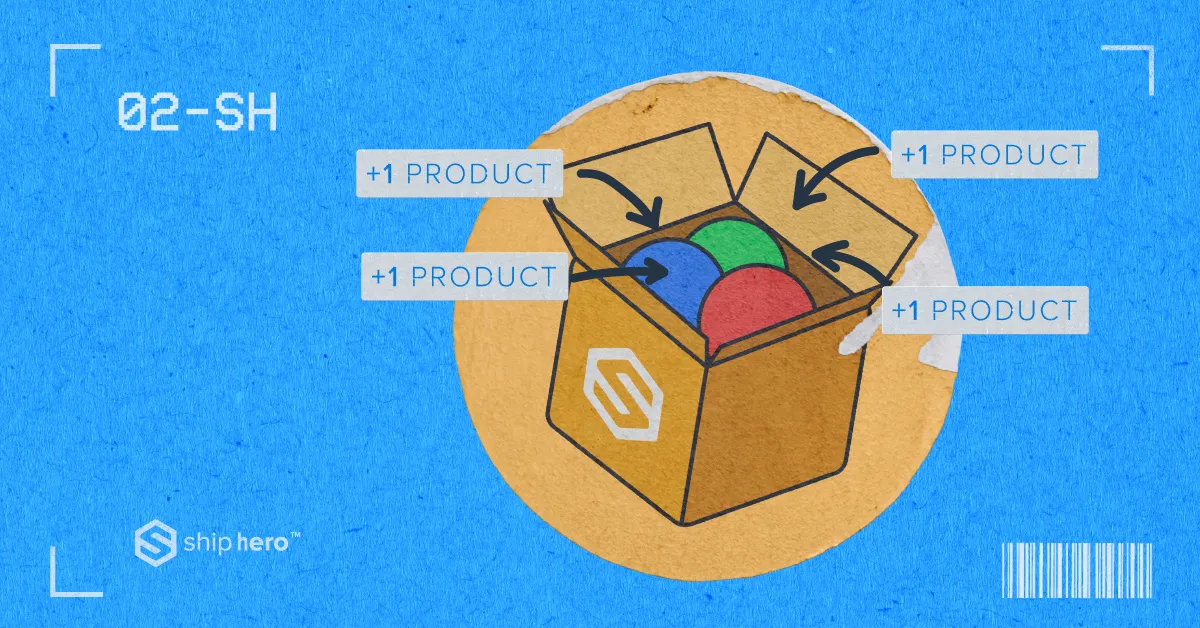
Packing multiple products under one SKU is known as kitting. Basically, kitting is combining two or more related items into one neat package. No need for customers to browse through multiple options - kitted bundles make getting what you want effortless!

Kitting Services Meaning

Kitting services are one-way businesses can streamline their operations: outsourcing kitting to a third-party fulfillment company helps keep costs down for retailers and their customers when it comes to final product fulfillment - you get what you need with no unnecessary packages!

Kitting services also come in handy in manufacturing; instead of struggling with in-house assembly, the retailer can trust that a third party is putting everything together. Kitting services give businesses breathing room too, so they don't have to waste precious time assembling products and can focus on selling more products instead.

Examples of Kitting

Packaged-ready-to-order sets are great for those looking to add convenience and speed of delivery to their shopping experience. Examples of kitting include buying pre-made gift baskets, 10-piece kitchenware bundles, or a 5-pack of your favorite T-shirts in assorted colors. So, rather than searching through individual items, customers can find exactly what they're looking for.

Subscription boxes are the best of both worlds. Customers enjoy their favorite products without lifting a finger, and businesses get trustworthy customers who keep coming back for more. Examples of subscription kitting can range from sports drinks, supplements, and coffee, to beauty products--and most anything that you need on a recurring basis.

Assembled products in kitting are a powerful tool for streamlining operations in the manufacturing and wholesale world. Instead of having customers guess at the best combination or shopping for individual pieces, you can offer a build-to-order or create-to-order process that lets them start from a blank slate.

Benefits of Kitting

Here are some tried and true benefits of kitting for both retailers and customers alike.

Reduce Fulfillment Costs

Kitting and bundling product orders together reduce fulfillment costs - it's the new way to save time and money. Instead of selling and fulfilling every item one by one, organizing them as an all-in-one package with benefits like faster shipping times and fewer materials used is a simple (and often overlooked) way to reduce overall expenses.

Provide Value

Getting people on board with your newest product can be a real challenge. A great way to convince hesitant customers and demonstrate the worth of a product? Kitting! This promotional tool helps ensure no one misses out on the greatness you're offering while also helping prove that the product is valuable. Who wouldn't want to try something in a cool kit – especially when it includes items they already love?

Increase AOV

It's no surprise that customers love to get the most bang for their buck, kitting creates the perfect opportunity to take advantage of that. Stacking items together allows you to provide attractive packages that deliver a higher-order value without loss of quality - and if there is one thing everyone loves more than savings, it's convenience. Customers won't even blink an eye at spending more for bundles when it means they don't have to find the right combination individually or go to the store.

Clean Up Inventory

Suppose you're looking for an easy way to eliminate products that have taken up space in your inventory; opt for putting together a kit or bundle. Saying goodbye to those items doesn't have to be a headache. In fact, it can quickly help you turn over your inventory when you mix and match the items with more popular complementary products. A cleverly packaged kit is a great way to move more products and free up space for new arrivals.

Holiday Shopping

Shopping doesn't have to be a chore for your customers; kitting can make it much more enjoyable! Customers don't need to break out their detective skills to create the perfect gift; instead, they need the simplicity of picking a tailored kit. It's an excellent way for shoppers to simplify their shopping journey during the busy holiday season - time saved, money saved, and no decision fatigue!

Warehouse Kitting Process

Kitting products in a warehouse may seem intimidating, but with the proper planning, it doesn't have to be. Done right, warehouse kitting is a surefire way to save costs and improve quality control.

  1. Collect individual items: Since multiple items are combined into one SKU, the warehouse team must pick individual items before packing begins, organizing them all at a staging area.
  2. Package all items: The individual items should be scanned and placed in the same box or as few boxes as possible.
  3. Create a new SKU: Once the box has been packed with individual components, make it a single SKU and add it to your inventory system.
  4. Scan and ship: Place shipping labels and any other labels necessary on the packaging and send them off. Remember to inform your customer that their order has shipped.

Warehouse management software (WMS) with kitting rules can automate this process. ShipHero not only provides kitting in our fulfillment, but we're also an excellent resource for kitting advice.

Kitting Services From A 3PL

Many third-party logistics (3PL) companies know the ins and outs of kitting and can provide an efficient solution that ensures accurate kitting and fast delivery. With their help, you can wow customers with your speed and dependability.

ShipHero's WMS and outsourced fulfillment solutions make kitting (and its perks) simple to access. With kitting, you'll get all the benefits without lifting a finger. Alex Lewkowict, Founder of Black Wolf Nation and ONE23 Fulfillment, says it best: "The rate shopping alone will pay for the software. Add in the bulk shipping and kitting, and {Black Wolf Nation and ONE23 Fulfillment} are so much more efficient."

The Future of Personalized Fulfillment

Kitting is the perfect way to skyrocket your business's efficiency and appeal to customers, all while building bonds with them and creating unforgettable products. By utilizing kitting services, businesses can stay ahead of the competition in the ever-changing buying landscape. Kitting adds a unique, personalized touch to your products, making them stand out among the rest. Grab hold of this opportunity to make more money off of each and every sale and start providing the ultimate customer experience you always envisioned while running your business. To keep up with more innovative ways to build your business, subscribe to our blog!

or

Maggie M. Barnett, Esq. COO of ShipHero - Author

About the author: Maggie M. Barnett, Esq., is the COO of ShipHero. She is responsible for planning and executing the overall operational, legal, managerial and administrative procedures, reporting structures and operational controls of the organization. Barnett’s greatest strengths are leadership, risk mitigation, change management and a passion for business transformation. She is known for her expertise in delivering operational excellence and an ability to provide guidance and mitigating risk. Her leadership of ShipHero is grounded in a servant mentality, always doing the right thing for our stakeholders. Her passion for ShipHero comes from the ability to drive operational excellence throughout the organization impacting the lives of our employees, customers, and partners.

Follow Maggie on Twitter&LinkedIn.

Kitting FAQs

What is kitting in a warehouse?

Kitting consists of packaging items together into a single new product with its own SKU, which is then sold as a single new item.

What is a kitting process?

Grouping related items into a single product offering is the first step in the kitting process. After the items are organized in the warehouse, they can be quickly packed and shipped to customers. Kitting can also be outsourced to companies that pick, pack, and ship the items.

What does kitting mean in logistics?

Using kitting in logistics, products are bundled together and delivered as a single unit.

What is the purpose of kitting?

Kitting can boost sales and increase efficiency. Pairing it with more trendy items will help businesses move less-popular merchandise. In addition, the price per item is usually lower, which creates value for customers. So, kitting can increase revenue and profit while increasing customer satisfaction.

Read more
Arrow icon
WMS
Shiphero logo on a grey background
December 29, 2022

How To Get Creative with Product Optimization: Offerings and Strategies | PalletSide Chat Ep. 05

How To Get Creative with Product Optimization: Offerings and Strategies

If there's one thing you can count on in the eCommerce world, it's that things are constantly changing. What works today might not work tomorrow, so it's crucial to stay ahead of the curve and keep your product offerings and strategies fresh. In this PalletSide Chat episode recap, we'll give you tips on getting creative with product optimization and increasing your AOV. Alex also talks about utilizing hot buzzwords to stay ahead of the competition. So if you're looking for ways to increase AOV and stay ahead of the curve, this blog post is for you!

Find Certainty in the Uncertain

The state of the economy is a hot topic of conversation these days. Everyone has an opinion on what's happening and what needs to be done to fix it. But when it comes down to it, there are only so many things that we as individuals can actually control. Interest rates and consumer spending habits are important factors affecting our businesses. But at the end of the day, what really determines our success is how we respond to these macro trends. Do we let them get us down, or do we focus on the things we can control and execute our plans flawlessly? So let's dig into some of those controllable factors and figure out how to make next year a success despite all the uncertainty.

“The key to overall success I think in 2023 … is looking at how you really optimize revenue, especially from existing customers.” - Dan Van Meer.

We’ve All Struggled

We've all been there. You're scrolling through Twitter, and you see someone flexing their successful eCommerce business, and you can't help but feel a little discouraged. You think to yourself, "Why can't I be like them? What am I doing wrong?" The reality is that everyone struggles at one point or another in their eCommerce journey.

Even the people who seem to have it all together have had their fair share of struggles. The key is not to compare yourself to others and to keep pressing on. There is no one magic solution to success in eCommerce; the key is to keep trying new things and keep going. So, if you're feeling down about your eCommerce journey, just remember that even the most successful people have been in your shoes before. Keep pressing on, and you'll eventually find success.

“I'll be vulnerable here. We spent a good three years completely paralyzed because we had no idea ... what we were doing.” -Alex Lewkowict.

Product is King, and Offer is Queen

As any entrepreneur knows, a successful business requires hard work and dedication. However, even the most passionate entrepreneurs sometimes need help to achieve their goals. This was the case for Alex. Despite his best efforts, he found it difficult to generate sales and grow his business. That is, until he received some sage advice from a friend: "product is king, offer is queen."

With this new perspective, Alex focused on creating a solid product offering. He also revised his marketing strategy, ensuring that his ad spending focused on creative and targeting. The results were immediate and substantial; within months, Alex turned his business around and saw record sales. This just goes to show that, when it comes to business, sometimes it's the little things that make all the difference.

“[Wush] was our Trojan horse. And it goes back to my saying, product is king, offer is queen. As soon as we understood that, it changed everything.” - Alex Lewkowict

Lifetime Value (LTV)

If you're in the business of selling things, it's important to understand your customer's Lifetime Value (LTV). This measures the total revenue customers will generate throughout their relationship with your company. The higher your LTV, the better. If you have a product with a higher barrier to entry, it's more expensive and thus a more significant decision for potential customers. In this case, you'll need to spend more on marketing to get people to buy because it's not an impulse purchase.

At Black Wolf, they quickly learned that their biggest hurdle wasn't their products' price point but their LTV. They market themselves as a premium brand. Their COGS (Cost of Goods Sold) is high, and their margins are slim, so it's always been a struggle to increase their AOV. They launched with an AOV of $18, and through a few expansions to their line, they managed to scale up to $40.

But Black Wolf couldn't get past the $40 mark, no matter how hard they tried. It was frustrating because everyone kept telling them that the key to winning in eCommerce is having a high AOV  of $50 or even $100. But they just couldn't hit those numbers. So Black Wolf had to find another way.

“We had to change our business model to fundamentally shift the trajectory of marketing our skin care products online.” -Alex Lewkowict.

Average Order Value (AOV)

Rather than looking at AOV as simply the total value of an order, businesses should consider it an opportunity to optimize revenue. There are many ways to do this, but the key is to focus on existing customers. Acquiring new customers is always expensive, so it's essential to ensure you're getting the most out of your existing customer base.

One way to do this is to optimize AOV on initial orders. Upselling or cross-selling complementary products can do this. Another way to optimize AOV is to focus on recurring orders. This could involve creating subscription models or offering discounts for loyalty. Businesses can unlock various new revenue streams by thinking creatively about how to increase AOV.

Trying to Increase AOV

Black Wolf’s old strategy wasn't working as planned - people weren't biting at the more premium, larger bundles they were offering. They could've gone two ways: Make the products even more expensive or desirable, or lower the barrier to entry (aka make it cheaper/more accessible). So, they decided to go with the latter and offered a free trial with a 60-day subscription. And it worked like a charm! The CPA decreased significantly, which led them to change their business model and shift their marketing strategy for skincare products online.

To expand their brand and increase their AOV, they knew they needed to diversify their product offerings. So, they saw an opportunity when they came across ear cleaning as a high search/low competition category. They knew that to get their new product into retail stores and ultimately onto TV, they would need to come up with a catchy name. That's how Wush by Black Wolf was born. Wush has been hugely successful for them, selling in stores like Bed Bath and Beyond, CVS, Rite Aid, and HSN. And they're not just selling any old product - Wush is a luxury item with a significant margin. Plus, their CPA is lower than it was for their skincare products.

“So you got to make sure that you're not afraid to admit that what you have is not working and just rejigger.” - Alex Lewkowict.

Cross-Marketing

So how do you effectively cross-market all those things to your existing customer base? When Black Wolf launched a hair care line, they made it salon-grade. And the idea is to use salons and barbershops as the lead magnet for their brand. When you get a product that your barber recommends, you trust and love it, and then … you want to find it for cheaper. Using this strategy has been working well for Black Wolf.

“You can have the best creative in the world, but it really comes down to the fundamentals of what are you selling and how much are you selling it for? What is the offer? What is the product?” -Alex Lewkowict

Do What You’re Good At

No matter your business, it's always important to focus on your strengths. The saying goes, "If you can't be the best, be the best at being the best." Dan and Alex set out to talk about increasing AOV, but they quickly realized that the most important thing is offering a great product. You can have the best supply chain in the world, but if your product isn't up to par, you'll never succeed. Conversely, you'll never reach your full potential if you have great development but poor operations. The takeaway is that you need to focus on what you're good at and build a strong foundation. Once you have a solid foundation, you can branch out and experiment with other business areas. But always remember: it's important to stick with what you're good at. Otherwise, you'll never be the best at anything.

“Learning from your mistakes, big and small, is pretty key to success.” -Dan Van Meer.

Stay Ahead of the Competition

So, what are some things you can control in your business as they head into 2023? Alex and Dan have highlighted a few key factors that will help you increase sales and stay ahead of the competition. For example, learning from others' successes and failures is a great way to gain insights that will help your business grow. Additionally, increasing AOV with new product offerings and strategies can be another successful way to boost revenue. If you want to read more about these tips and find out additional ways to succeed in 2023, stay tuned for more great podcast episodes!

Do you have marketing questions that have been keeping you up at night? Or warehousing challenges that have left you feeling defeated? Well, don't suffer in silence any longer! The PalletSide Chat podcast is here to help. In each episode, hosts Dan and Alex tackle a wide range of topics related to the pallet industry, offering advice, insights, and solutions. And now they're inviting listeners to join the conversation. So if you have a question or comment, don't hesitate to reach out to podcast@shiphero.com and let your voice be heard! Who knows, your question might be answered in a future episode!  

Episode Glossary:

  • AOV (average order value): An eCommerce metric that measures the average total of every order placed with a merchant over a defined period.
  • LTV (lifetime value): The estimated revenue a customer will generate over their lifetime with the brand.
  • CPA (cost per action): An online advertising model in which payment is based on qualified action, such as sales or registrations.

Watch on YouTube or Listen on Spotify

About the Hosts: As VP of marketing, Dan Van Meer is always on the go. From overseeing project management and data analytics, he has his hands in a little bit of everything. Most importantly, he ensures that all creative work - from graphic design to digital marketing - is high quality and on-brand. Co-host Alex Lewkowict is quite the renaissance man. He's been an adolescent entrepreneur, successful CEO, and Founder of a men's skincare line, and he created One23 Fulfillment. Did we mention he made the Forbes 30 under 30 list?

Read more
Arrow icon
WMS
Shiphero logo on a grey background
December 23, 2022

7 Shipping Trends to Watch in 2023

It's no secret that the shipping industry has seen significant changes in the last few years. Retailers have had to adjust their operations due to port delays, labor shortages, and inflation. As we move into 2023, there are several key trends that retailers should be aware of. From load balancing to sustainable packaging and fast order fulfillment, here are seven shipping trends to watch out for in the new year.

1. In 2023, Supply Chain Concerns Will Persist

Anyone who's tried to order a simple item online lately knows that supply chains are majorly screwy right now. Thanks to a global pandemic, war conflict, and port delays, shipping and manufacturing delays have become the norm rather than the exception.

In February 2022, only about 34% of container vessels arrived at their destination with no delay. And according to our research, 39% of brands say shipping and manufacturing delays and shipping costs will continue to be a top supply-chain-related challenge over the next 12 months.

Fortunately, most retailers acknowledge it will take time to unravel the challenges associated with shipping delays and the supply chain. In the meantime, there are some things consumers can do to ease the burden.

2. More Efficient Shipping with Load Balancing

No retailer wants to be known as a company with terrible shipping. Customers expect efficient shipping; anything less can damage a company's reputation. Shipping is one of the most significant expenses for a retailer. So, this is where load balancing has come in.

Load balancing is a popular method of reducing shipping and warehouse costs by distributing shipments evenly across multiple carriers. Getting products closer to your customer through distribution centers helps to avoid service disruptions and delays. Studies have shown that load balancing can save up to 25% on shipping costs. In addition, load balancing can reduce your total costs by up to 13%.

While load balancing has many benefits, it is not without its challenges. It takes coordination and a good warehouse management software system to work efficiently. However, the savings are definitely worth the effort. Load balancing has only gained popularity in recent years, but it is expected to grow even more as retailers realize the benefits.

3. Agile Supply Chains

Agile supply chains are designed to be highly flexible and responsive, so businesses can quickly make changes as needed. Shifting from ‘just-in-time’ to a more stable ‘just-in-case’ model allows brands to respond to more supply chain setbacks.

While it may be impossible to insulate one’s company from another global pandemic, operating with more robust inventory levels may help companies to overcome supply chain obstacles and maintain the integrity of fulfillment channels. In other words, the days of "set it and forget it" shipping are long gone.

Businesses need to be prepared for anything and everything, which means having a supply chain that can quickly adapt as needed. Recently, I discussed this same challenge with Shopify and other leaders in fulfillment; you can find the full article here.

4. The Future of eCommerce is Green

As the world becomes more conscious of the need to protect the environment, sustainable packaging is set to become one of the most critical industry trends.

Order fulfillment companies are already beginning to place a greater emphasis on sustainability, with 46% of customers indicating that they are more likely to purchase a product online if they recycle the packaging.

In addition to meeting customer demand, this shift will also help reduce eCommerce emissions, which currently account for six times as much pollution as products purchased in-store.

Placing their sustainable shipping and returns values at the forefront of their offering makes it easier for customers to buy in. Sustainable packaging isn’t just good for the environment – it’s good for business too.

5. Keep Customers Happy with Transparent Shipping

Customers today expect more than just fast delivery times; they also expect accurate delivery times. That's why delivery time accuracy and transparency are becoming increasingly important for businesses of all sizes.

Customers expect brands to be upfront about delivery times with today's supply chain disruptions and ever-changing shipping costs. After all, no one likes getting their hopes up for a package that ends up being late.

But it's not just about meeting delivery expectations—it's also about setting realistic ones in the first place. Brands that overpromise and underdeliver risk damaging customer relationships beyond repair. Research shows that 32% of customers have abandoned a cart because "the estimated shipping time was too long" and 22% because "there was no guaranteed delivery date."

Looking ahead to 2023, developing transparency and trust around shipping will be critical to building long-term customer relationships—relationships strong enough to weather any industry challenges that come your way.

6. Shipping Cost Relief is in Sight

We all know how important shipping is to eCommerce. And, after a rocky few years, 2023 is shaping up to be a good year for shipping. Thanks to continued innovation in logistics and transportation, we can expect cheaper shipping costs and less port congestion.

While there may still be some disruptions in the supply chain, retailers are finally starting to feel some relief. According to the Freightos Baltic Index, in Q4, the global average cost of shipping a container is $3,429, compared to a whopping $10,396 in October 2021. Lower container costs and fewer backlogs should help retail brands keep shipping rates lower for consumers. So far, so good!

7. 3PLs: Make eCommerce Shipping Easy

As eCommerce businesses continue to grow and expand, many find they need more help than they can handle. This is where third-party logistics providers (3PLs) come in. 3PLs specialize in managing all aspects of the shipping process for their clients, from warehousing and fulfillment to transportation and tracking. By partnering with a 3PL, you can free up valuable time and resources so that you can focus on what you do best.

With pre-negotiated contracts and a network of fulfillment centers spread across the country and worldwide, a 3PL can offload the time and stress of managing shipping logistics in-house while keeping costs down. As e-commerce continues to grow, we can expect even more innovation from 3PLs as they strive to provide the best possible service to their clients.

Order Fulfillment Solution for the Modern Retailer

If you're feeling overwhelmed by the logistics of shipping in 2023, never fear! ShipHero is here to help. We've outlined the seven most important shipping trends for retailers this year, and we'll continue to monitor these trends as they evolve.

Plus, ShipHero offers an end-to-end, full-service fulfillment solution that leverages the reach of our seven owned and operated warehouses (strategically placed across the country and Canada). So, if you're looking for a way to outsource your supply chain and shipping needs, consider partnering with a 3PL like ShipHero. Let us take care of the fulfillment so you can focus on what you do best - selling products!

Maggie M. Barnett, Esq. COO of ShipHero

About the author: Maggie M. Barnett, Esq., is the COO of ShipHero. She is responsible for planning and executing the overall operational, legal, managerial, and administrative procedures, reporting structures, and operational controls of the organization. Barnett’s greatest strengths are leadership, risk mitigation, change management, and a passion for business transformation. She is known for her expertise in delivering operational excellence and ability to provide guidance and mitigate risk. Her leadership of ShipHero is grounded in a servant mentality, always doing the right thing for our stakeholders. Her passion for ShipHero comes from the ability to drive operational excellence throughout the organization impacting the lives of our employees, customers, and partners.

Follow Maggie on Twitter&LinkedIn.

Read more
Arrow icon
WMS
Shiphero logo on a grey background
December 22, 2022

FounderMade Panel 2022: Learn How to Cut Shipping Costs and Keep Customers Happy | PalletSide Chat Ep. 4

How to Cut Shipping Costs without sacrificing Customer Satisfaction

In this PalletSide Chat podcast episode, we’re sharing a panel, hosted by our own COO Maggie Barnett for FounderMade East. Speaking with Brett Tepper from ModKat and Rich Brewer from Boutique Brands, they discuss practical solutions for keeping shipping costs low and customers happy. They cover everything from optimizing fulfillment processes to utilizing technology effectively.

Most business owners know that reducing shipping costs is a major priority, but it can be tricky to do so without alienating customers. It can be daunting, but with the right advice, it can be done without sacrificing customer satisfaction. This expert panel will teach you how to keep your customers happy while shaving dollars off your shipping bill. Tune in for the tips and tricks these experts have gleaned from their own experiences running successful eCommerce businesses in an ever-changing landscape. Shipping rates may be skyrocketing, but that doesn't mean your eCommerce business has to suffer!

The Litter Box Business

When it comes to litter boxes, even the most design-savvy among us can be taken by surprise. Just ask Brett Tepper and his business partner, who found themselves unexpectedly in charge of cat box duty. What they discovered was a litter box that was, in their words, "not happening." The following day, Tepper's business partner came in with an idea for a better design.

Thus began a journey that would take them from Walmart to Taiwan and eventually result in a successful product. Today, Tepper and his partner continue to work with the same manufacturer, and their litter box remains one of the most popular on the market. They are considered "OGs" of the Shopify world, as they were one of the first 300 people to use the platform. Who would have thought such a simple, but smelly, idea could lead to success?

"So I had a few developers lined up, and then one of the developers said, 'Have you heard of Shopify?' So I started looking into it, and I was like, 'This is it.' Yeah, they have been with it since." -Brett Tepper.

How ModKat Handles Exploding Freight Costs

ModKat prides itself on being able to adapt to change. So when the pandemic hit and their sales exploded, it was a happy challenge. However, soon they found themselves facing a different problem: exploding freight costs. Freight bills soared from $6,000 per container to $12,000, then $18,000, eventually topped at an astonishing $32,000. They knew they had to make tough choices to keep their business afloat. They started by eliminating free shipping, then slowly escalated prices.

With four primary sets of SKUs, ModKat has increased pricing on their higher-end litter boxes. The downside to shipping litter boxes is that they are big, so they all hit dim weight and can only fit a few per container. With a 40-ft HQ container, they can only fit about 550 of their largest litter boxes. This directly affects the pricing scale, so that's where most of the cost-cutting has been done. Fortunately, they have enough margin on the refills to keep them at the same price. The other great thing about the litter box liners is that they fold flat and ship small, so freight doesn't affect them as much.

How ShipHero Has Helped

If you've ever worked in eCommerce, you know a lot goes into fulfilling orders. And if you are doing it yourself, a whole other stress level comes with it. That's why ModKat outsourced fulfillment to a 3PL when Tepper started his business. But then, around 2012, he got a 5,000-square-foot space and started prepping orders himself. Tepper mentions that it was great and awful at the same time. He learned a ton about how fulfillment works and why 3PLs work a certain way. But after a year, he realized it wasn't a tenable situation and returned to using a 3PL. He'd been with the same one for seven years but recently switched to ShipHero. If you've thought about fulfilling orders yourself, Tepper says go for it - but be prepared for many long nights (and early mornings).

ModKat went back to dim weight and because of that, they had four warehouses with their old 3PL, and keeping inventory in all four warehouses was difficult. That was taking up a ton of their time, just ordering correctly for all warehouses. So, knowing that ShipHero did load balancing was a massive thing for ModKat. Then on top of that, ShipHero also consolidates shipments. Which saved them a ton of money on shipping costs. So all of those things allowed ModKat to focus on other parts of their business rather than just managing logistics all the time.

Boutique Brands

In the world of fast fashion, speed is everything. That's why Rich Brewer of Boutique Brands has made it his mission to streamline the fashion ecosystem and help his employees move more quickly. By streamlining the process from manufacturing to reselling, Brewer and his team can turn inventory faster and keep up with the latest trends. And they're not stopping there. They're also constantly reviewing their website and ensuring they appeal to customers. It's all about staying ahead of the competition and keeping costs down.

Automation, Automation, Automation

As an eCommerce business knows, shipping costs can eat into profits quickly. But what happens when a company returns to charging for shipping? It's not easy to tell customers that they now have to pay after getting used to free shipping. And it's even harder to do it in a way that doesn't damage the customer relationship. That's why it's important to have systems that allow you to rate shop among carriers and find the most cost-effective option for each shipment. By automating the process as much as possible, you can minimize the impact on your bottom line and keep your customers happy.

The Return Process

Returns are allowed at Boutique Brands. There are, however, some brands that charge shipping to and from their stores. Occasionally, customers have to print a label and pay for it, but Brewer is working to simplify the process. They have yet to do exchanges, which Brewer wants to implement because that will cut down on the total loss of revenue from returns if they can use a system like Happy Returns. It automatically creates a product on Shopify. Customer service teams can then click a button and be done. Brewer is currently engaged in analyzing what's working, what's not, and who has the best return on investment for returns.

"We are more or less just maximizing every automation we can maximize." -Rich Brewer.

Provider transparency

Provider transparency is something that has become increasingly important in recent years. Consumers want to know where their products come from and how they are made. They also want to be able to track their orders and see precisely where they are at all times. This level of transparency can be challenging to achieve, but it is something Flexport is working hard to provide. While the data isn't always up to date, ModKat appreciates the insight Flexport (a freight-forwarder) gives them into the supply chain process.

Recently, ModKat has been dealing with some supply chain issues beyond its control. They have had to ration inventory and cancel orders, and their customers have understandably been frustrated. In response, they created a feature on their website where people can sign up to be notified when an item comes back in stock. They thought this would help alleviate some of the frustration, but it turns out that people get even more frustrated when they get 100 notifications that an item is back in stock, only to find that it's already sold out again. Despite the challenges, Tepper is grateful for his loyal customers and will continue to do everything he can to keep them happy.

Preparing for the Next 12 Months

Over the last three years, the world has been turned upside down. We have seen economic turmoil, political upheaval, and a global pandemic. So what are ModKat and Boutique Brands doing to prepare for the next 12 months? For starters, they're stocking up on essentials. ModKat is ordering like crazy, trying to get as much inventory as possible. They're also trying to figure out ways to pep up their customers. At some point, they plan to reintroduce free shipping or offer discounts. But the most important thing is that they're getting back on their feet. The sales are picking up, and they see more customers every day. ModKat is excited about the future and ready to take on whatever comes its way.

For Boutique Brands, maximizing automation is their key to success. By using data to select styles that are in demand, and cost-effective carriers, brands can reduce costs while still providing the latest trends to customers. Additionally, expanding social media outreach and implementing loyalty programs can help increase brand visibility and customer engagement. By taking advantage of these various marketing and operational strategies, Boutique Brands can stay ahead of the competition and keep their businesses growing.

"We're actually ramping up our influencer campaigns, our UGC, our loyalty programs. All of this stuff is going into play to basically drive more business to help mitigate the additional costs." -Rich Brewer.

Turn the Challenges of Today's Marketplace into Opportunities for Tomorrow's Success

If there's one thing that's certain in eCommerce, it's that shipping rates are always on the rise. Carriers announce new rate increases yearly that can eat into your profits if you're not careful. But don't despair - there are still ways to keep your shipping costs under control, even in the face of rising rates. Optimizing your fulfillment processes and utilizing technology effectively can minimize the impact of rate hikes on your business. By streamlining your operations and using shipping rates as a lever to drive customer loyalty, you can turn the challenges of today's marketplace into opportunities for tomorrow's success. So don't let rising shipping rates get you down - use them to fuel your eCommerce success.

The FounderMade East panel was hosted by ShipHero's COO, Maggie Barnett, and she was joined by Brett Tepper, the co-founder of ModKat, and Rich Brewer, the product manager at Boutique Brands. This session is packed with great information for anyone in eCommerce, whether you outsource your fulfillment or manage it in-house. So, take a moment and listen to the full panel or watch it on YouTube!

About the Panel Host: Maggie M. Barnett, Esq., is the COO of ShipHero. She is responsible for planning and executing the overall operational, legal, managerial, and administrative procedures, reporting structures, and operational controls of the organization. Barnett’s greatest strengths are leadership, risk mitigation, change management, and a passion for business transformation. She is known for her expertise in delivering operational excellence and her ability to provide guidance and mitigate risk. Her leadership of ShipHero is grounded in a servant mentality, always doing the right thing for our stakeholders. Her passion for ShipHero comes from the ability to drive operational excellence throughout the organization impacting the lives of our employees, customers, and partners.

Follow Maggie on Twitter&LinkedIn.

Read more
Arrow icon
WMS
Shiphero logo on a grey background
December 16, 2022

What Happened in eCommerce in 2022 and What it Means for 2023

It's hard to believe that we're already at the end of 2022, but as we all know, time flies! The eCommerce landscape of 2022 has been a wild ride, from fulfillment technology advancements to mobile commerce innovations and seamless omnichannel experiences. As 2023 rolls around, all these developments mean one thing: Companies need to stay on their toes and continue adapting their eCommerce strategy to the latest advancements to stay ahead of their competitors in the highly competitive eCommerce space. A lot has happened, so let's look back at some of the biggest eCommerce developments in 2022 and see what they mean for 2023.

Mobile Shopping’s Rise to Power

eCommerce has come a long way since its inception, and the rise of mobile shopping is a testament to this. Mobile commerce volume is expected to hit $620.97 billion by 2024. This means nearly half (42.9%) of all eCommerce purchases will be made via a mobile device. eCommerce companies should fine-tune their strategies to cater to the increasingly mobile-savvy consumer.

More and more shoppers are investigating products on their phones before deciding which to buy. Plus, with handier features and conveniences, they can enjoy the ultimate comfort while browsing and making purchases at their fingertips! The rise of mobile shopping gives eCommerce businesses more opportunities than ever to increase customer engagement and drive up profits.

Omnichannel Selling

eCommerce is a rapidly growing juggernaut of a marketplace, and one of the biggest trends to keep an eye on is omnichannel selling. Technically speaking, this strategy allows you to reach customers in as many channels as you can think up - from in-store purchases and eCommerce sites to social media platforms, email campaigns, and beyond! But what does it mean for businesses? Well, for starters, it means that staying ahead of eCommerce trends has never been more important!

A successful omnichannel approach can bring numerous advantages; shoppers are no longer held to traditional hours or wait times when trying to reach an employee. Thanks to an eCommerce store that operates 24/7 and ways to reach customer support, even after business hours have ended. Additionally, with strong SEO practices and clever content marketing at play behind the scenes, customers find their way through different touchpoints right into your eCommerce store. All these advantages add up.

eCommerce Goes Social

In the modern eCommerce landscape, it's become increasingly important for businesses to cultivate a presence on social media. With more people flocking to platforms like Facebook and Instagram, eCommerce companies are turning to social commerce models as an easy way to engage potential shoppers and increase brand exposure.

This trend has only been further augmented by clever influencer campaigns and sponsored content that drives measurable results. Ultimately, leveraging eCommerce trends and social media allows businesses to acquire and convert more customers quickly. It's no surprise that companies are increasingly looking at social media as a viable eCommerce channel - once again proving how impactful this powerful medium can be!

Immersive Experiences with AI and AR

eCommerce trends are ever-evolving and staying on the cutting edge can be challenging. One of the most prominent eCommerce trends is using AI, automation, and Augmented Reality (AR) to improve customer service and experience. Although AI applications have been around for a while, only recently have eCommerce organizations taken full advantage of their potential in their technology stack.

With AI and AR capabilities, eCommerce companies can go beyond mere personalization to create immersive shopping experiences with product recommendations tailored to an individual’s needs, virtual or augmented store environments that shoppers can explore without leaving home, and even eCommerce versions of the metaverse complete with avatars navigating life-like simulated stores. Together these tools represent just some of the ways AI has enabled eCommerce companies to enhance their customers’ experiences while streamlining their operations simultaneously - something they’ll no doubt be capitalizing on more and more in the coming years!

Using Technology to Optimize Labor

eCommerce trends continue to accelerate, and with peak seasons arriving earlier each year, warehouses are under immense pressure to find ways to optimize labor for order fulfillment. In the past, the answer was to hire more workers – throw bodies at the problem, as it were. But in today’s tight labor market, such a strategy isn’t feasible.

Thankfully, engineers and technologists have developed solutions to keep eCommerce operations running smoothly while requiring fewer employees on the warehouse floor. The development of robust eCommerce technologies like advanced warehouse management means warehouses can maintain high throughput rates with fewer people. However, warehouse managers know there's still no better way to fulfill orders than by leveraging extra manpower during peak season – even if only for a few weeks each year.  With dedicated teams using the most up-to-date eCommerce tools combined with clever coordination of optimal resources, there’s no eCommerce challenge too complex for any warehouse.

What Does This Mean for 2023?

As we enter 2023, it feels like eCommerce is on a rollercoaster. Technological innovations and consumer expectations have changed almost constantly, and retailers must reimagine themselves to stay in business. But amidst all the chaos, there are two reliable retail trends that every business can count on: change and innovation.

Retailers need to adapt faster and move with agility regarding eCommerce trends like fulfillment, mobile commerce, omnichannel experiences, social media presence, and the use of AI. It's about more than just "keeping up.” Businesses must lead the way to stay ahead of their competitors. They need to be smart about recognizing eCommerce trends as they emerge and being prepared for customers' needs today so that they're ready for whatever tomorrow might bring. With the right strategies in place and a willingness to innovate swiftly, companies will be well-positioned for success come 2023.

eCommerce Continues to Evolve

eCommerce trends in the eCommerce space are nothing short of amazing. eCommerce brings many fulfillment options for sellers, from same-day deliveries to improved returns processes, giving consumers more power than ever. eCommerce lets businesses enter the domain of mobile commerce, where they can quickly reach their target audience and foster more relationships. As eCommerce continues to evolve, we can expect greater convenience for shoppers and improved management capabilities for sellers to meet their customer's needs and desires in real-time. The eCommerce landscape is exciting and rapidly changing - one thing is clear - the future promises immense opportunities for online business owners!

If you're looking for a software and fulfillment solution that can scale your business, ShipHero has you covered. We offer direct integrations with various popular eCommerce platforms and marketplaces, making it easy to get started. Plus, we constantly work on adding new features and integrations so that you can keep up with the latest eCommerce trends. Ready to start shipping like a pro?

Maggie M. Barnett, Esq. COO of ShipHero

ShipHero

About the author: Maggie M. Barnett, Esq., is the COO of ShipHero. She is responsible for planning and executing the overall operational, legal, managerial and administrative procedures, reporting structures and operational controls of the organization. Barnett’s greatest strengths are leadership, risk mitigation, change management and a passion for business transformation. She is known for her expertise in delivering operational excellence and an ability to provide guidance and mitigating risk. Her leadership of ShipHero is grounded in a servant mentality, always doing the right thing for our stakeholders. Her passion for ShipHero comes from the ability to drive operational excellence throughout the organization impacting the lives of our employees, customers, and partners.

Follow Maggie on Twitter&LinkedIn.

Read more
Arrow icon
WMS
Shiphero logo on a grey background
December 9, 2022

Paying for Peak: How New Tech Makes It Easier to Spend

It's the most wonderful time of the year … or is it? Peak season is make or break if you're in the retail business. And this year, there are more challenges than ever before. Between inflation and the heavy reliance on credit and discounts, many retailers scramble to keep up. But fear not! In this blog, we'll look at how buy now pay later (BNPL) programs are helping to keep the holiday season bright.

Inflation & The Holiday Season

Inflation has been rising throughout 2022, and December is no exception. This is bad news for retailers, who already feel the squeeze from higher costs across the supply chain. Products once affordable are now out of reach for many shoppers, who are forced to either cut back on their holiday purchases or turn to credit cards and other forms of debt to finance their shopping. According to the NRF, online and other non-store sales were up 9.5% at $261.6 billion, which fell short of its 2022 forecast of a 10% to 12% growth. While inflation has continued to soar for several months, consumer spending has remained relatively consistent.

What is Buy Now, Pay Later (BNPL)?

We all know the feeling of wanting something we can't afford. What if there was a way to buy now and pay later? No interest, no fees, and no credit card required. Enter: buy now, pay later.

A BNPL solution allows shoppers to spread the cost of their purchase over time without accruing any interest or fees. This makes it an attractive option for shoppers struggling to keep up with the rising cost of living. BNPL programs are also convenient because they can be used online and in-store.

BNPL emerged in the early 2010s to help consumers finance their purchases without the high-interest rates and fees associated with credit cards. Since then, it has grown increasingly popular, particularly among younger generations. And with the recent pandemic, BNPL solutions have taken off even more. The size of the U.S. market was worth around a few billion dollars in 2019 but is estimated to grow by 1,200% by 2024!

The Escalating Use of Credit Cards and BNPL Programs

The use of credit cards and BNPL programs has been rising recently, but it has exploded during the pandemic. These companies have gone from being relatively unknown to becoming a significant force in consumer credit in just a few short years. And it's not hard to see why.

For merchants, it drives higher average tickets and reduced cart abandonment. Plus, retailers benefit because people can make purchases even when they don't immediately have funds available. If played correctly, they may see them return again, which would be a great play toward loyalty.

Why Has BNPL Gotten So Popular With Consumers?

There are a few reasons why BNPL programs have become so popular. First, they allow shoppers to make purchases now and pay later without accruing any interest or fees. This can be especially helpful during economic uncertainty when people try to be more careful with their money.

Second, BNPL programs usually have very low minimum payments, which makes them even more appealing to cash-strapped shoppers. Finally, most BNPL providers offer promotional periods that allow shoppers to delay payments even further. For example, Afterpay—one of the most popular BNPL providers—gives customers the option to pay interest-free for their purchase over four equal installments.

BNPL: A Winner of Black Friday

Thanksgiving and Black Friday may have been great days to be a buy now, pay later service provider. Given the economic pressures many shoppers face right now, BNPL payment options offered a way for consumers to still get the goods they wanted. More telling is that some shoppers are using BNPL for lower-priced goods instead of high-ticket items, with the average order value for BNPL purchases decreasing in the U.S. by 6% on Thanksgiving. Orders using BNPL rose by 78% the week of Nov. 19 to Nov. 25 when compared to the week before, according to Retail Dive. Additionally, overall revenue from BNPL is up 81% during the same period. In other words, people are using buy now, pay later services more than ever to finance their holiday shopping – and they're doing it at lower price points than in previous years.

Could There Be Repercussions?

The problem with BNPL is that there are consequences if you don’t follow all the rules. However, many providers and their critics are currently concerned about the types of products purchased. In the past, many consumers took out BNPL on high-ticket items. Now, that same money is used to pay for groceries and other essential expenses, leaving a potential for predatory lending if the market is not regulated correctly. While such practices can be considered harmful, on the other side, the diversity and flexibility in BNPL approaches could spell a new era for consumer buying and boost future buying potential.

Nevertheless, for now, it appears that the pressures are manageable. Losses on installment loans are low, and payment rates are high based on corporate filings. It is clear that the 'pay in four' BNPL product has found a sustainable niche in the consumer credit market. By providing a more efficient and cost-effective option for consumers, BNPL companies are stealing growth from traditional financial providers. What happens next will only be revealed with time.

Only Time Will Tell

The holiday season is always challenging for retailers, but there are more challenges this year than ever. Inflation puts pressure on tight margins, and shoppers increasingly turn to credit cards and other forms of debt to finance their purchases. This is where BNPL programs come in. While BNPL programs may provide a much-needed boost to retail sales during peak season, there could be long-term consequences for retailers and shoppers alike if debt levels continue to rise. However, by allowing shoppers to spread the cost of their purchase over time without accruing any interest or fees, BNPL programs are helping to keep the holidays bright for retailers and shoppers alike. Only time will tell how this will all play out, but one thing is for sure: we're in for an interesting peak season!

ShipHero Team

About ShipHero: We make it simple for you to deliver your eCommerce. Our software helps you run your warehouse, and our outsourced shipping solutions eliminate the hassle of getting your products to your customers. With thousands of brands and 3PLs relying on us daily, we’re here to help with all your logistics needs. Let us know how we can help you today by scheduling a call HERE.

Follow ShipHero today on Twitter and LinkedIn.

Read more
Arrow icon
WMS
Shiphero logo on a grey background
November 18, 2022

How is mCommerce Different from eCommerce and Why Does it Matter?

The era of mobile commerce and eCommerce has completely changed the game for supply chain management. These days, it's no longer enough to have a great product - now, you also have to make sure it's readily available and can be delivered quickly. Consumers want instant gratification, and they want options when it comes to how and when their purchases are delivered. Companies must stay on top of trends and adapt digital supply chain solutions to remain competitive in today's market. Gone are the days of slow shipping times and limited delivery options - now, customers expect convenience at their fingertips (literally). So if you want to stay on top, take a moment to learn about mobile commerce and eCommerce developments and make sure your supply chain is ready to meet those demands.

What is the Difference Between mCommerce and eCommerce?

eCommerce and mobile commerce may have the same end goal, but they're not entirely interchangeable. eCommerce refers to all online commerce, while mobile commerce specifically pertains to using mobile devices to conduct transactions. To put it simply, mobile commerce is a subset of eCommerce. Mobile commerce is becoming increasingly important as more and more people rely on their mobile devices for all aspects of their lives, including shopping. Both forms of online commerce offer convenience and ease for customers, making them integral parts of the modern marketplace.

What is Electronic Commerce (eCommerce)?

eCommerce can be as simple as buying a new book on Amazon or as complex as purchasing stocks and bonds through a financial services firm's website. In essence, it is the act of conducting business online, eliminating the need for physical locations and transactions. eCommerce has revolutionized how we conduct business, making it easier for companies to reach a global audience and allowing consumers to shop anytime, from anywhere.

Types of eCommerce:

  • Business-to-customer (B2C): B2C eCommerce companies sell directly to consumers. Instead of distributing goods to a middle-man, a B2C company interacts directly with consumers. This can also be called direct-to-consumer or DTC.
  • Business-to-business transactions (B2B): eCommerce businesses can also sell directly to other businesses, normally in a wholesale capacity. Most B2B transactions take place because one business is supplying products or inventory for another to sell. There is often a long lead time, higher order quantities, and greater specifications in B2B transactions.
  • Consumer-to-consumer purchases (C2C): Auction-style platforms like eBay and Craigslist postings are examples of consumer-to-consumer platforms. A C2C eCommerce platform enables consumers to buy and sell without requiring companies to be involved.
  • Companies-from-Consumers (C2B): Companies from consumers offer their services more easily on modern platforms, especially for short-term contracts, gigs, and freelance opportunities.

What is Mobile Commerce (mCommerce)?

Have you ever made a purchase on your phone? Then you are part of the mCommerce ecosystem. Mobile commerce (or "mCommerce") offers convenient options for customers and businesses. mCommerce can include mobile banking, mobile retail platforms, and ticketing systems.

Benefits of mCommerce

  • Convenient transactions: With a smartphone, people can complete transactions conveniently everywhere they go as long as they can access Wi-Fi or a mobile network.
  • Ease of use: Mobile apps are optimized for the best user experience. It takes fewer taps and less navigation compared to eCommerce websites.
  • Portability: Generally, most eCommerce activities take place on desktops or laptops. Devices like these are not as portable as mCommerce devices like mobile phones and tablets.
  • Reachability: Mobile commerce will reach a much broader audience than eCommerce due to mobile device portability.
  • Push notifications: Merchants can send push notifications to their customers via mobile devices in mCommerce.
  • Location tracking: mCommerce applications can track and identify user locations using GPS technology, Wi-Fi, and other technologies, making it easy to provide localized offers.
  • Security: Mobile devices are used in eCommerce for 2-factor authentication. mCommerce has the advantage of additional protection via biometrics like fingerprint and face recognition.

The Future of Warehousing is Here, Are You Ready?

Mobile commerce and eCommerce have revolutionized how businesses operate in a world where consumers can purchase almost any product with a few swipes on their mobile devices. These platforms offer various advantages, including cost reduction, access to new markets, and easy tracking of key performance indicators. However, they've also significantly impacted warehouse operations and supply chains.

With online shopping becoming more popular, there is a greater demand for efficient distribution networks that can handle the influx of orders. Additionally, mobile trends like buying online and in-store pick-up have created the need for seamless omnichannel experiences. Despite these challenges, mobile commerce and eCommerce show no signs of slowing down - in fact, they are projected to become even more prevalent in the future. Successful businesses must adapt their warehousing and supply chain strategies to keep up with these rapidly evolving industry changes.

Why You Need Warehouse Management Software in a mCommerce World

When it comes to mobile commerce and other eCommerce trends, the need for warehouse management software (WMS) is more important than ever. A WMS allows real-time inventory visibility and improves organization, reducing manual work and avoiding poor customer experiences. It also helps drive productivity and lower labor costs, keeping up with mobile and omnichannel shopping demands. In short, a WMS is a necessary tool for success if you want to stay competitive in today's mobile world.

Mastering omnichannel logistics is key to thriving in mobile commerce and eCommerce, and that means having warehouse management software that can handle the ever-changing trends of online shopping. Luckily, ShipHero has you covered – our WMS is constantly adapting to meet the needs of our customers. So what are you waiting for? Contact us today to learn more about how we can help your business thrive in this digital age.

Talk to our software experts today and learn more about how our warehouse software is built for eCommerce brands.

Aaron Rubin, Founder & CEO

ShipHero

About the author:  Aaron Rubin is the Founder & CEO of ShipHero. He is responsible for planning and executing the overall vision and strategy of the organization. Rubin’s greatest strengths are leadership, change management, strategic planning, and a passion for progression. He is known for having his finger on the pulse of ShipHero’s significant initiatives, entrepreneurial spirit, and keen business acumen. His leadership of ShipHero is grounded in providing excellent customer service that drives improved business operations. His passion for ShipHero comes from the culture and his ability to impact the lives of employees, customers, partners, and investors.

Follow Aaron on Twitter&LinkedIn.

Read more
Arrow icon
WMS
Shiphero logo on a grey background
November 11, 2022

Managing Your Physical Inventory in a Digital World

While many aspects of the shipping and fulfillment industry have gone fully digital, some still require a physical presence. Whether you're an eCommerce business storing products in a warehouse or a 3PL managing inventory for multiple clients, inventory management is critical. But managing your physical inventory in a digital world can be tricky. Here are some tips to help you get started.

What is Inventory Management?

Inventory management is the process of ordering, stocking, and using a business's materials or products. There are various types of inventory, like raw materials, cycle inventory, and MRO goods, which we won’t get into right now. But prioritizing your inventory helps you understand what you need to order or manufacture more frequently to continuously fulfill your customers' needs.

Being a warehouse employee isn’t just about lifting heavy boxes all day. They also have to keep track of inventory and update information as necessary. When it comes to traditional inventory management, this often means laboriously filling out spreadsheets or keeping physical files updated. But with digital inventory management, they can kiss those days goodbye. Instead of relying on the fallible human memory, the warehouse team can depend on a fully automated system that does the updating for them. Stop worrying about a lapse in record-keeping causing disaster for business operations.

Let's face it - warehouse work can be physically demanding without worrying about the warehouse's physical inventory process. Digital inventory management allows businesses and warehouses to focus more on regular tasks while letting technology handle the rest.

Digital Inventory Solutions

Digital inventory solutions can help automate and streamline your inventory procedures. You can improve your bottom line by using inventory management software and other inventory control technologies, like barcoding and RFID tagging. Automating your inventory management processes can help reduce errors, increase efficiencies, and allow you and your team time to focus on other tasks.

Manual processes can often lead to errors and missed opportunities when managing your inventory. But automating your inventory with a digital inventory management system like ShipHero ensures accuracy and frees up time for you and your team to focus on the important stuff. Constant communication with your sales channels means you'll always have up-to-the-minute information about what's in stock, what's sold out, and what needs to be replenished. Gone are the days of physical inventory count headaches and lost sales - let technology do the heavy lifting for you.

Inventory Tips and Tricks

Here are a few methods you can use to streamline your inventory management, no matter where you are in your process:

  • Define your objectives and KPIs: What do you want to achieve with your inventory management process? You can develop KPIs to track progress if you reduce stock levels, increase turnover rates, or improve customer satisfaction.
  • Develop standard operating procedures: Documenting your procedures helps ensure everyone on your team is on the same page and following the same process.
  • Utilize technology: As we mentioned before, technology can significantly help manage inventory. From barcoding and RFID tagging to automated reordering systems, various technology solutions are available to help streamline your process.
  • Conduct regular audits: Regular audits help ensure accuracy in your data and catch any errors that may have slipped through the cracks. Auditing also allows you to identify improvement areas in your process and make changes as needed.
  • ShipHero Cycle Counts: Cycle counting helps to ensure that your physical inventory matches what you have recorded in the system, keeping everything in check. It also allows you to count smaller sections at a time, rather than having to shut down operations for a complete physical count. In other words, cycle counting helps prevent any potential inventory-related chaos and keeps your whole process running smoothly.
  • Communicate with stakeholders: Good communication is critical in any business operation, but it's imperative when managing inventory. Ensure everyone who needs to be informed about changes in inventory levels is kept in the loop. That way, there are no surprises down the road.

Digitize Your Inventory Management Process

In the digital era, physical inventory management can feel like a relic from the past. But efficient inventory management software allows you to have your cake and count it too. By automating the mundane tasks associated with physical inventory, you can spend more time checking things off your to-do list and less time inputting data. Why suffer through tedious physical inventory counts by hand?

You can make this process much easier with the right tools and solutions. At ShipHero, we specialize in helping businesses streamline their inventory management process so they can focus on what they do best – running their business. If you’re looking for help managing your inventory, contact us today to see how we can help.

Talk to our software experts today and learn more about how our warehouse software is built for eCommerce brands.

Aaron Rubin, Founder & CEO

ShipHero

About the author:  Aaron Rubin is the Founder & CEO of ShipHero. He is responsible for planning and executing the overall vision and strategy of the organization. Rubin’s greatest strengths are leadership, change management, strategic planning, and a passion for progression. He is known for having his finger on the pulse of ShipHero’s significant initiatives, entrepreneurial spirit, and keen business acumen. His leadership of ShipHero is grounded in providing excellent customer service that drives improved business operations. His passion for ShipHero comes from the culture and his ability to impact the lives of employees, customers, partners, and investors.

Follow Aaron on Twitter&LinkedIn.

Read more
Arrow icon
WMS
No results.