
.svg)

Are you looking to improve your reverse logistics process? This guide will teach you everything you need to know, from streamlining returns to optimizing inventory flow.

.svg)
In eCommerce and retail, reverse logistics can be a complicated concept to wrap your head around. But understanding this process isn't just crucial for warehouse managers—it's absolutely essential! To show you how easy it is to get into gear with reverse logistics, we've crafted this comprehensive guide full of helpful tips, tricks, and advice on everything from streamlining returns to optimizing inventory flow. Read on if you're ready to make reverse logistics work in your favor!
In eCommerce, returns aren't just about the refund – it's also about how long it takes to process those items. With labor shortages, retailers are feeling the pinch more than ever. According to eCommerce statistics gathered by the National Retail Federation and Appriss Retail, return merchandise was worth a whopping $816 billion last year – without any change in the average rate of return of 16.5%. But don't panic just yet! Investing in a WMS (Warehouse Management System) for reverse logistics can help warehouse managers separate physical returns from accounting while contributing to sustainability and financial health.
Reverse logistics sounds like a spaceship's reverse engineering, but it refers to the work done after something has been sent out for consumption. So when you return that shirt you never wore, dispose of some sort of electronic device, get things repaired and shipped back, or recall products due to an issue - that’s what reverse logistics is all about. It’s what happens when something goes awry between point A (source) and point B (consumption).
Whether it's eCommerce returns solutions or something else, reverse logistics helps companies make the most out of what they do not want - by recovering resources to maximize worth and minimizing the environmental costs associated with returned products and materials. It can also delight customers by providing satisfying exchange and return options due to its efficient nature.
Reverse logistics is vital to the success of eCommerce returns. The process includes multiple steps, with careful planning and coordination necessary to maximize efficiency and minimize costs. Despite its complexity, it offers a great opportunity for businesses to cut costs while improving customer satisfaction and brand loyalty. The general steps in reverse logistics are:
There are several types of reverse logistics, each designed to handle a specific aspect of the product lifecycle and recover value from returned products. Some common types of reverse logistics include:
The 5 Rs are principles that help businesses maximize returned products' value while lowering supply chain waste. By following them closely, companies can recover assets from formerly unusable goods and reduce the environmental impact on our world! Let’s dive into each one.
Reverse logistics are an ever-present force in many industries, offering clever solutions to secondhand parts and products. Take retail, for instance; when products are returned, reverse logistics allow companies to resell, refurbish, and recycle them. Electronics and automotive fare similarly - the former has remanufacturing and refurbishing at the ready, while the latter's reverse logistics often take the shape of remanufactured auto parts.
In the food sector, reverse logistics use waste to create compost and animal feed. As for healthcare, reverse logistics may take back unused or expired medications from pharmacies, and apparel companies reclaim used clothing for resale, renovation, and recycling.
Reverse logistics are proving to be an invaluable approach in business today. By taking a mindful second look at the supply chain, companies can reduce waste while improving operations and sustainability - giving their bottom line the boost it deserves.
Reverse logistics doesn't have to be a daunting task. A comprehensive, well-integrated WMS can significantly benefit companies looking to minimize their environmental costs while maximizing the value of their returned products. Handling the physical and accounting processes separately is key as it reduces time and improves efficiency for warehouse managers and customers.
When considering a WMS explicitly designed for reverse logistics, look at ShipHero. Leveraging a powerful cloud-based system, ShipHero can simplify your reverse logistics operations and get you one step closer to success. So if you're ready to upgrade your WMS to ShipHero, don't hesitate - let's make something great happen together!
Subscribe to our blog to learn more, or Click HERE to Schedule a Meeting Today!
—
Aaron Rubin, Founder & CEO - ShipHero
About the author: Aaron Rubin is the Founder & CEO of ShipHero. He is responsible for planning and executing the overall vision and strategy of the organization. Rubin’s greatest strengths are leadership, change management, strategic planning, and a passion for progression. He is known for having his finger on the pulse of ShipHero’s significant initiatives, entrepreneurial spirit, and keen business acumen. His leadership of ShipHero is grounded in providing excellent customer service that drives improved business operations. His passion for ShipHero comes from the culture and his ability to impact the lives of employees, customers, partners, and investors.
.webp)
Explore the top 3PL companies in Canada and learn how third-party logistics providers play a vital role in optimizing supply chains. Discover the benefits of partnering with a 3PL, key services offered, and steps to start working with a 3PL in Canada.
.svg)
Discover the top 5 best third-party logistics (3PL) companies for your business needs, offering extensive networks, advanced technology, and superior customer service. Learn about the benefits of 3PL services, how to choose the right provider, and avoid common mistakes.
Discover the role, benefits, key features, requirements, and implementation of a 3PL Warehouse Management System (WMS) for optimizing warehouse operations. Learn about scalability, integration, real-time visibility, and customization options to choose the best solution for your business.
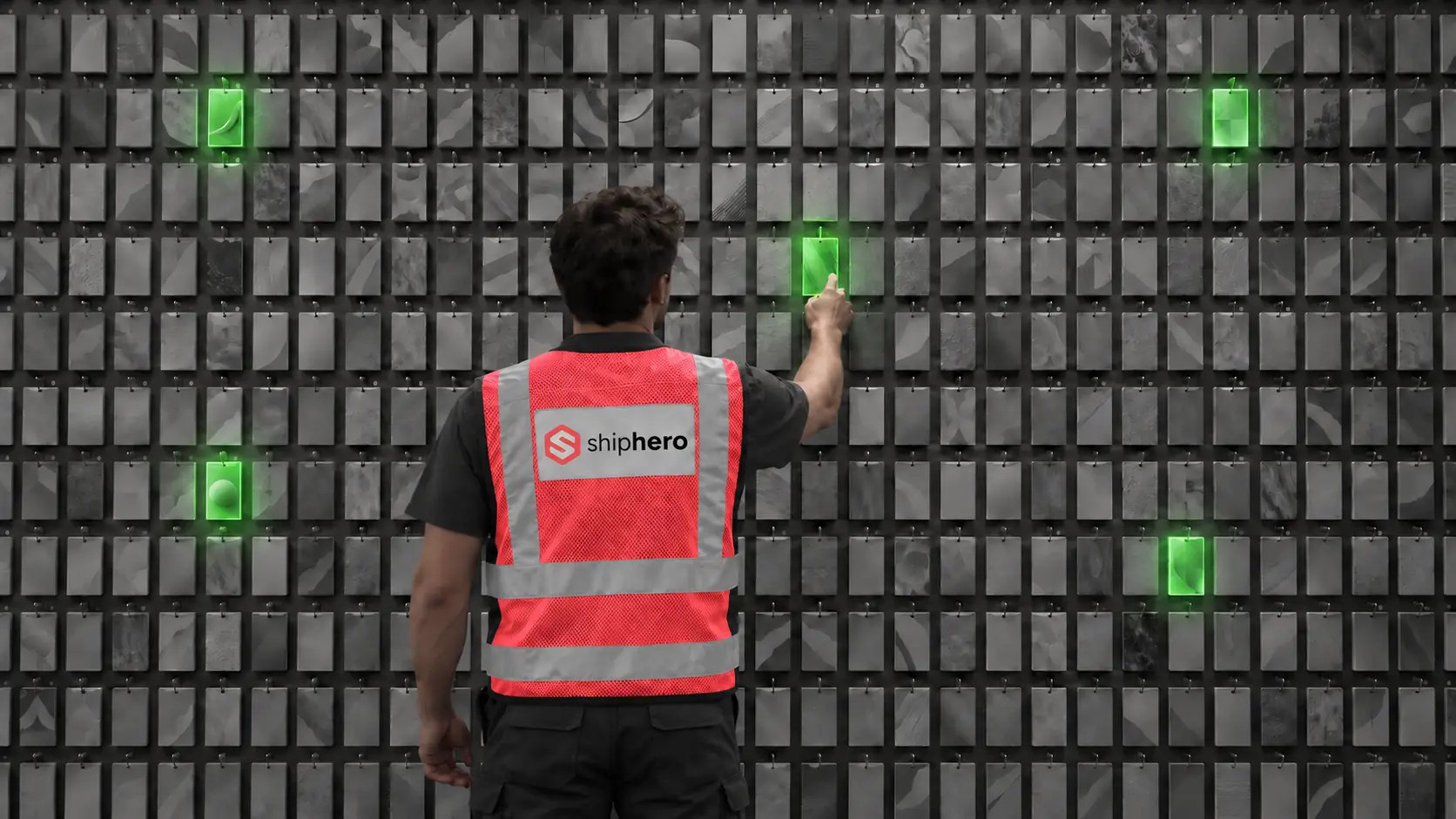
At the denser wall, average picking time per order fell from 40 seconds to 13, and orders that ran clean from start to finish rose from 18% to 97%. This is the companion to our Direct Pack + Pack-to-Light case study, from the same research.
On September 1, 2026, Descartes Systems Group announced its acquisition of Extensiv for approximately $120 million. What was announced, what usually follows deals like this, and the questions Extensiv customers should put to their vendor before renewal.



.svg)



.webp)