
.svg)

Your 3PL logistics partner is an extension of your business. In this article, we’ll review how to manage and improve your 3PL partners performance so you can both experience a successful partnership. Let’s dive in!

.svg)
Your 3PL logistics partner is an extension of your business. As a business owner, it’s your responsibility to tell them exactly what you do and don’t want. But how do you know what you want? You aren’t as familiar with the logistics industry as them, so it would make sense that you might not know exactly what to ask for. In this article, we’ll review how to manage and improve your 3PL partner's performance so you can both experience a successful partnership. Let’s dive in!
3PL performance refers to the level of service and efficiency offered by a third-party logistics company in managing your business's supply chain management. It includes several measurements which are key performance indicators of the success of logistical infrastructure. A few examples of what to measure would be delivery accuracy, order fulfillment speed, inventory management, and customer satisfaction. Let’s dive into what that looks like:
Measuring 3PL performance involves evaluating the effectiveness of a third-party logistics service provider in managing a company's supply chain operations. Using the same four examples above of measuring delivery accuracy, order fulfillment speed, inventory management, and customer example let’s dive into how you can measure the 3PLs performance in these areas.
Overall, the key to effectively measuring 3PL’s logistics performance is to establish clear performance targets, regularly monitor performance data, and work with the 3PL to continuously improve processes and systems.
Managing a 3PL’s performance starts with you! Here are a few tactics to help you ensure your 3PL is meeting your performance needs.
Clearly defining what you expect from your 3PL in terms of performance, services, and delivery time frames is essential for a successful relationship. If you require a 99% accuracy rate for deliveries, make sure that this is agreed upon and included in your contract. As an example, if your company wants to work with a 3PL for order fulfillment you will first define the scope of work as receiving, storing, and shipping orders within their fulfillment center. Then you’ll set KPIs such as order accuracy, cost savings, and on-time delivery. If they have warehouse management software, you’ll also want to communicate how you plan to use it. Then review any special requirements such as unique packaging needs. Once all this is discussed, you should form a specified contract (which many 3PLs create for you). The agreement should be documented and signed between your business and the 3PL. This way, the company and the 3PL both have a clear understanding of the expectations and can work together effectively.
Having one designated point of contact with your 3PL can improve communication and help to prevent confusion or misunderstandings. This person should be responsible for managing the relationship with the 3PL and ensuring that all performance expectations are met. The designated point of contact should be an individual within your organization who is responsible for managing the relationship with the 3PL. This person should have a clear understanding of your company's objectives, policies, and procedures and effectively communicate these to the 3PL. This individual should be available to answer questions and address any concerns that may arise during the course of the partnership.
Good communication is key to a successful 3PL partnership. Encourage regular check-ins, have open and honest discussions about performance, and make sure that you have a clear process in place for dealing with any issues that arise. To keep the lines of communication open, schedule regular check-ins with the 3PL. These check-ins could be bi-weekly, monthly or quarterly and can be in-person, via email, or through a video conferencing platform. During these check-ins, review performance metrics, discuss any challenges that have arisen, and share updates on any changes to the relationship or business. Additionally, setting up a shared project management platform or email chain can be a helpful tool for communication. This allows all parties involved to keep track of updates, questions, and issues in one centralized location. Encourage open and honest communication, and create an environment where any questions or concerns can be brought to the table. This builds trust and a stronger partnership between your company and the 3PL.
Regular performance reviews help to keep the 3PL accountable and provide an opportunity to discuss any issues or areas for improvement. Schedule regular meetings, and make sure that performance data and metrics are reviewed and discussed. When setting up a formal review with your 3PL, it is important to cover key areas to assess their performance and identify areas for improvement. During the review, you should discuss specific metrics and warehouse KPIs (Key Performance Indicators) that are relevant to your business. This can include order accuracy, delivery times, customer service levels, inventory management, and cost-effectiveness like the above, or it could include other metrics relevant to your business. The review should also include an evaluation of the overall relationship between your company and the 3PL, including their ability to effectively meet your expectations and support your business goals. Additionally, it is important to address any operational or customer-related issues within the 3PLs fulfillment center that have arisen and discuss any areas where the 3PL can improve in the future.
Having a clear escalation process in place helps to quickly resolve any issues or problems that arise. This process should outline how issues will be reported, who will be responsible for resolving them, and the steps that will be taken to resolve them. For instance, if there's a problem with an order, the first step could be to contact the designated point of contact at the 3PL. If a resolution isn't reached after a certain amount of time, the next step could be to escalate the issue to a higher-level manager at the 3PL. If the issue still isn't resolved, the next step could be to involve a senior executive from your company or a third-party mediator to help resolve the situation. It's important to have a clear escalation process in place so that issues can be resolved efficiently and effectively without causing undue stress or harm to the relationship with the 3PL.
By using these tactics, you can help to ensure that your 3PL logistics performance remains on track and that your 3PL continues to deliver the level of service that you require.
It's important to keep a pulse on the 3PL's performance. Schedule weekly or monthly check-ins to review progress and address any issues. For regular check-ins, you could create a shared dashboard to track metrics and KPIs. This allows both you and the 3PL to see areas for improvement and track progress.
Treat the 3PL as a partner, not just a vendor. Collaborate on processes and procedures to ensure a seamless flow of operations. Their fulfillment center should be an extension of your business. To work together, hold joint training sessions where both parties can learn from each other and create a mutual understanding of the operations.
Open and transparent communication is key to success. Clearly outline your expectations and communicate any changes or concerns promptly to avoid misunderstandings. To ensure clear communication, use a project management tool to keep all stakeholders in the loop and record all discussions and decisions made. This way, there is a clear record of expectations and agreements.
In conclusion, outsourcing logistics activities to a 3PL can provide numerous benefits to small business owners, including increased efficiency, cost savings, and improved customer service. However, you and your 3PL logistics service provider need to both agree on what metrics and KPIs they are expected to hit, and the progress of hitting these metrics should be regularly reviewed. No provider is perfect, but clear communication allows you to both agree to expectations, air out any issues and set your partnership up for success. If you haven’t scheduled a review with your 3PL, do so today!
A 3PL provider typically measures their own performance through a variety of metrics such as order fulfillment accuracy, order processing time, inventory accuracy, shipping accuracy, delivery time performance, customer satisfaction, and cost control. They use these metrics to evaluate their performance and identify areas for improvement, so they can ensure they are delivering the best possible service to their clients. For example, if order fulfillment accuracy is low, they may take steps to improve their processes, such as implementing new software or hiring additional staff, to increase accuracy and improve overall performance. Additionally, by monitoring delivery time performance, they can ensure that orders are reaching their customers in a timely manner, which maintains customer satisfaction and reduces the risk of customer churn. Overall, a logistics service provider should have a performance measurement strategy that provides insight into their operations, enabling their client, (you, the business owner) to make informed decisions that lead to better results and improved customer satisfaction.
KPI (Key Performance Indicator) is important for a third-party logistics firm because it provides measurable and quantifiable targets that help the provider evaluate their performance, track progress, and make informed business decisions. Warehouse KPIs serve as benchmarks for success and provide valuable insights into areas for improvement. They also help 3PLs to monitor their operations, identify areas for improvement, measure customer satisfaction, and optimize resources. By setting and tracking KPIs, 3PLs can monitor their performance and ensure they are meeting their goals and delivering the highest level of service to their customers.
Let me give you an example. Sarah sells handmade jewelry online and relies on a 3PL provider to handle the shipping and delivery of her products to customers. To ensure that her 3PL provider met her expectations, Sarah reviewed their fulfillment center setup, then shared key performance indicators (KPIs) to measure their performance. By consistently monitoring these KPIs, Sarah could assess the performance of her 3PL provider and make data-driven decisions to improve the overall customer experience. Over time, she saw a significant improvement in her KPIs, which translated into happy customers and increased sales.

.webp)
Explore the top 3PL companies in Canada and learn how third-party logistics providers play a vital role in optimizing supply chains. Discover the benefits of partnering with a 3PL, key services offered, and steps to start working with a 3PL in Canada.
.svg)
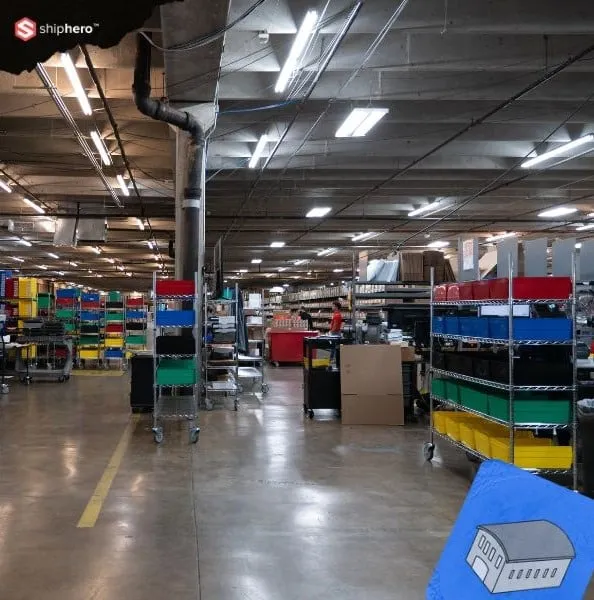
Discover the top 5 best third-party logistics (3PL) companies for your business needs, offering extensive networks, advanced technology, and superior customer service. Learn about the benefits of 3PL services, how to choose the right provider, and avoid common mistakes.
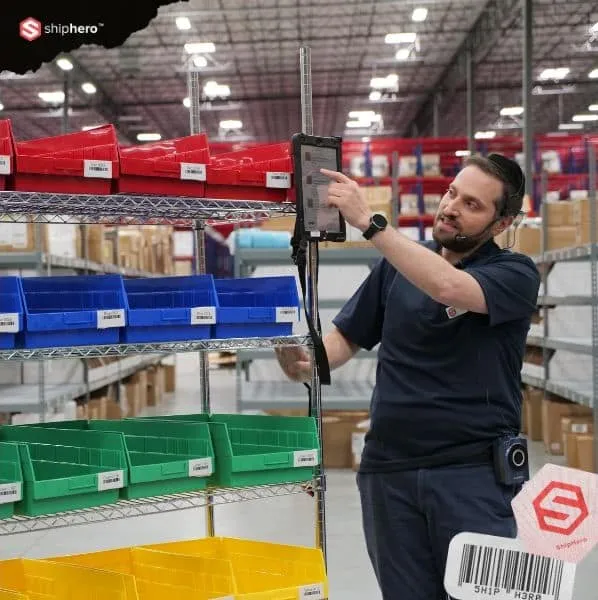
Discover the role, benefits, key features, requirements, and implementation of a 3PL Warehouse Management System (WMS) for optimizing warehouse operations. Learn about scalability, integration, real-time visibility, and customization options to choose the best solution for your business.

On September 1, 2026, Descartes Systems Group announced its acquisition of Extensiv for approximately $120 million. What was announced, what usually follows deals like this, and the questions Extensiv customers should put to their vendor before renewal.




.svg)



.webp)