.svg)

For both a small business owner, and a logistics manager at a large corporation, managing a warehouse can be a daunting task. From inventory control to order fulfillment, there are many moving parts that require careful attention to ensure a smooth operation. In this blog, we'll break down the key functions

.svg)
Warehouse management is a critical aspect of modern businesses, playing a pivotal role in efficiently handling goods, optimizing storage space, and streamlining fulfillment processes. To achieve these objectives, organizations need to follow specific processes, implement advanced technologies, and understand various aspects related to warehousing.
In this article, we will explore the purpose of warehouse management, the needs it addresses, essential workflows and tasks, and how it differs from other related aspects such as enterprise resource planning (ERP) and customer relationship management (CRM). We will also discuss the changes in the industry, the people involved, and the activities that take place in a full warehouse operation.
The purpose of warehouse and supply chain management revolves around maximizing efficiency and productivity while minimizing waste and errors. It aims to ensure that goods are stored, picked, and shipped in a manner that meets customer demands and optimizes costs. By organizing and controlling warehouse operations, businesses can enhance their overall supply chain performance.
Warehouse management addresses several crucial needs, including:
Storage Space Optimization: Efficient warehouse management ensures the proper utilization of available storage space, and operating costs and allows businesses to stock the right inventory in the right quantities.
Fulfillment Process Streamlining: By implementing effective warehouse management strategies, businesses can streamline their fulfillment process, reducing order processing times and improving customer satisfaction.
Minimizing Human Errors: Automated warehouse systems and standardized processes help minimize human errors during inventory management and order fulfillment.
Inventory Accuracy: Warehouse management systems (WMS) ensure real-time tracking of inventory levels, leading to better inventory management deals, more accuracy and reduced stockouts.
Cost Optimization: By optimizing storage, using inventory turnover minimizing errors, and improving processes, warehouse management helps in overall cost optimization.
Without resource planning, your warehouse can quickly devolve into chaos. If you do not implement efficient processes and utilize modern technologies your warehouse might become slower than your competition, you could have low visibility, and you could receive complaints from angry customers who don’t know where their order is. But with warehouse management, you gain a deep understanding of what is needed for both your consumers and your retailers which you might not have had insight on before. Warehouse management solves a variety of challenges for businesses, including inventory management, order fulfillment, space utilization, labor management, and technology implementation. As an example, before you might not have known your stock levels, with a good warehouse management system you now know exactly what you have and what you need.
Warehouse management is guided by several key factors. However, you can sum them up in the six following principles.
When it comes to managing inventory in a warehouse, inventory management is of utmost importance. Different techniques are designed to keep the process streamlined and prevent potential roadblocks.
A warehouse management solution (WMS) is a software application which manages and optimizes warehouse operations, including inventory control, order fulfillment, space utilization, and labor management. These systems, sometimes known as inventory management software or warehouse management system WMS software, is typically a cloud based software solution. These solutions utilize advanced technologies such as barcoding, RFID, and voice recognition to automate and streamline warehouse processes as well as improve warehouse space and warehouse design. Companies like ShipHero have developed this software to help businesses optimize their warehouse operations, improve efficiency, and reduce costs.
Key Performance Indicators (KPIs) provide quantifiable measurements to gauge warehouse efficiency:
The warehouse management process involves various things, workflows and tasks, such as:
Warehouse management differs from other aspects, notably:
Advancements in technology, such as machine learning models and internet interfaces, have revolutionized warehouse management. Automated systems, real-time updates, and barcode scanning have accelerated processes and reduced manual errors.
Warehouse management involves various personnel, including the warehouse workers, staff, supervisors, and managers. Their activities range from receiving and inventory management to order picking and shipping coordination.
Warehouse management practices may vary across industries and regions due to differing needs, price points, and regulations. However, the fundamental principles of efficiency and accuracy remain consistent.
Warehouse management faces challenges related to changing customer demands, environmental factors, and industry-specific rules and regulations. However, these challenges also present opportunities for innovation and improvement.
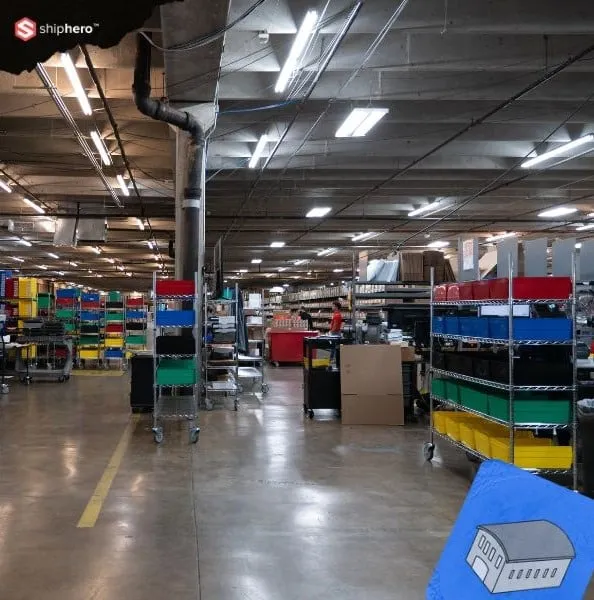
A well-designed, warehouse floor layout contributes to efficient workflows, reducing unnecessary movement and optimizing space utilization. Proper organization and arrangement of pallets, packages, and bins play a crucial role in achieving this.
Selecting an appropriate, WMS system solution is essential for efficient warehouse management. Consider factors like scalability, interface flexibility, and integration with other applications like ERP and CRM.
Adhering to industry standards in warehouse management ensures consistency and efficiency. Timely and accurate deliveries are crucial for customer satisfaction and retention.
An organized approach to purchases and collaboration with suppliers help maintain optimal inventory levels and streamline procurement processes.
Effective communication and collaboration among various warehouse departments enhance overall productivity and accuracy in operations.
Using data-driven references and insights guide warehouse management decisions can improve customer satisfaction and facilitate continuous improvement.
Warehouse management systems with user-friendly interfaces enable smoother adoption and greater efficiency among warehouse personnel.
A successful warehouse management approach combines advanced hardware and software solutions to achieve seamless integration and automation.
In the competitive market, there is a constant pressure on warehouses to maintain accuracy and timeliness in the order fulfillment process.
Implementing basic safety measures ensures a secure working environment for warehouse staff and reduces the risk of accidents.
Integrating invoice management into warehouse systems streamlines financial transactions and aids in accounting processes.
Analyzing and optimizing paths within the warehouse reduces travel time and improves overall efficiency.
Maintaining the condition of warehouse facilities is essential to ensure smooth operations and reduce downtime.
Customer expectations for same-day deliveries have increased, challenging warehouse management to meet these demands efficiently.
Warehousing strategies differ between traditional brick-and-mortar stores and e-commerce fulfillment centers due to varying order volumes and customer expectations.
Integrating multiple WMS systems enables efficient multichannel fulfillment, catering to various customer preferences and sales channels.
Understanding users' roles and providing proper training ensures effective utilization of warehouse management systems and tools.
Selecting the right warehouse management solution is a critical decision that significantly impacts warehouse, operational efficiency and overall business success.
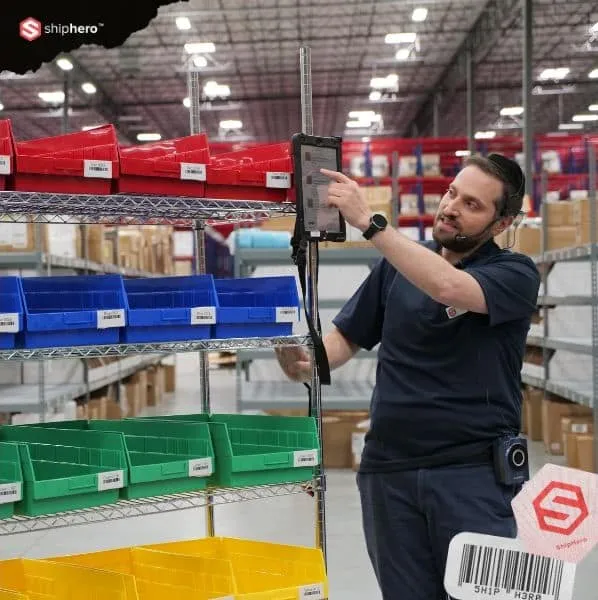
The use of barcodes in warehouse management facilitates accurate and efficient, inventory storage and tracking, reducing errors and enhancing overall productivity.
The layout and design of the warehouse facility play a crucial role in achieving optimal workflow and maximizing space utilization.
Collaboration among warehouses within a network can help support each other during peak periods and ensure timely order fulfillment.
Warehouse management involves identifying and addressing problems promptly while proactively seeking solutions to optimize operations.
Properly managing warehouse users and assigning appropriate roles ensures smooth coordination and efficient execution of tasks.
Warehouse management systems consist of various modules, each serving a specific function, such as inventory management and order processing.
Integrating different warehouse management modules allows for smoother transportation management and more efficient warehouse operations.
Warehouse operations are often affected by seasonal customer demand fluctuations. During peak periods, such as holidays or sale seasons, warehouses face challenges like increased order volumes, space constraints, and staffing needs. Strategies to manage these challenges include:
Emerging trends that are shaping the future of warehouse management include:
By staying ahead of these trends, warehouse managers can ensure they're prepared for the future and can maximize their efficiency and productivity.
Warehouse management is an integral part of modern business operations. By understanding the purpose, needs, workflows, and tasks involved, organizations can optimize their warehousing, streamline warehouse operations, improve fulfillment processes, and provide excellent customer service. Embracing technological advancements and empowering skilled personnel will help organizations thrive in this dynamic and ever-changing environment.


.webp)
Explore the top 3PL companies in Canada and learn how third-party logistics providers play a vital role in optimizing supply chains. Discover the benefits of partnering with a 3PL, key services offered, and steps to start working with a 3PL in Canada.
.svg)
Discover the top 5 best third-party logistics (3PL) companies for your business needs, offering extensive networks, advanced technology, and superior customer service. Learn about the benefits of 3PL services, how to choose the right provider, and avoid common mistakes.
Discover the role, benefits, key features, requirements, and implementation of a 3PL Warehouse Management System (WMS) for optimizing warehouse operations. Learn about scalability, integration, real-time visibility, and customization options to choose the best solution for your business.
On September 1, 2026, Descartes Systems Group announced its acquisition of Extensiv for approximately $120 million. What was announced, what usually follows deals like this, and the questions Extensiv customers should put to their vendor before renewal.



.svg)



.webp)