
.svg)

Do you want to increase productivity and efficiency within the warehouse? Learn how warehouse automation technologies can reduce human error and streamline your processes.
.webp)
.svg)
Following the rise of the Industry 4.0 technology boom during the COVID-19 crisis, the logistics and shipping industry continues to depend on warehouse automation. Novel solutions like warehouse management software make modern processes more efficient than ever, leaving the days of human error and slow delivery behind.
If you haven’t incorporated warehouse automation solutions into your operations, this introduction to new technologies will highlight why you need them.
Warehouse automation is the process of computerizing inventory management and increasing efficiency for repetitive tasks, such as physical work or data entry. This software eliminates the need for human intervention through artificial intelligence.
Digital automation uses software to process real-time data and manage inventory tracking. Some of these processes might include:
These digital processes provide multiple benefits, such as:
With that in mind, digital automation technology is costly. Upfront costs include the software, necessary hardware, employee training programs and maintenance costs.
In addition, going digital can potentially increase cybersecurity risks. However, data encryption can typically mitigate these dangers.
Physical automation in the warehouse involves using robots and machines to increase workflow efficiency and perform manual tasks. These responsibilities might include robotic picking, automatic sorting and advanced retrieval systems.
Using mobile robots can provide many benefits, such as:
However, like digital automation, physical automation is expensive, given that few people have experience handling robots. In addition, robotic solutions demand intense planning that most low-volume warehouses cannot afford.
Warehouse automation works by using software and autonomous robots to automate repetitive or administrative tasks. Basic automation can be achieved through warehouse management systems (WMS) that streamline daily warehouse operations such as:
Depending on inventory volume, some warehouses may use robotic retrieval systems to move cargo from point A to point B. However, most warehouse automation systems for smaller businesses simplify repetitive tasks by automating them.
There are four primary types of warehouse automation, including the following:
You should automate your warehouse to reduce human error in manual processes, prevent inventory loss, meet customer expectations and many other reasons. Below are the benefits of warehouse automation:
Different systems could benefit you depending on your specific warehouse processes. Consider the following product solutions.
GTP systems utilize vertical lift systems, conveyor belts and carousels to increase warehouse picking speed and overall efficiency.
This mechanized automation system uses magnetic strips and sensors to navigate throughout your warehouse and facilitate item picking. They are ideal for smaller warehouses with minimal human traffic.
AMRs are similar to AGVs with the addition of a GPS. Users can create AMR routes using laser guidance systems to avoid blockages and obstacles. Compared to AGVs, AMRs can navigate more complex layouts.
This fulfillment technology employs material-carrying vehicles, loaders and shuttles that store and retrieve orders. AS/RS systems are best for high-volume storage locations with limited space.
Pick-by-voice systems enable users to curate optimized pick paths for picking or putting away an item. With this system, workers don’t need scanners to find inventory.
Automating your warehouse processes requires ample planning with stakeholders and managers. You can quickly get started with these simple steps:
A robust warehouse management system can help modern warehouses by offering the following benefits:
Warehousing industry trends change over time, and it’s important to keep up to stay competitive. Below are a few popular warehousing trends to keep an eye on:
AI-powered and machine-learning tools are an excellent way to improve forecast accuracy. Through predictive analysis, managers can upgrade warehouse equipment on time, identify performance issues and prevent delays. Advanced systems with these capabilities can also shut equipment down before it fails, saving thousands in repair costs.
You can liken IoT data collection to optimizing a smart home in warehouse settings, where sensors collect data to improve warehouse environments.
For instance, smart lighting systems can turn warehouse lights on and off depending on the time of day and who is present on site. Alternatively, smart HVAC systems can adjust warehouse temperatures according to new inventory or present employees.
Autonomous warehouse robotics provide impressive cost savings because they require minimal human interaction. Warehouse robots can pick orders, conduct inventory checks and move items depending on your needs – all on their own.
Blockchains act like digital ledgers in warehouse settings, making real-time updates accessible and shareable amongst managers and stakeholders. They can notify order recipients when to expect deliveries and managers when to refresh stocks.
The blockchain’s traceability is especially advantageous to food and beverage businesses with time-sensitive stocks.
Work-from-home positions became increasingly popular following the pandemic, so it’s no surprise that remote warehouse management within distribution centers is now more common than ever. Remote management simplifies diagnostics – owners can identify functionality problems off-site and plan repairs the following morning.
As technology advances, the opportunities warehouse automation presents are virtually endless. Consider these takeaways if you want to strengthen your supply chain through warehouse automation.
If you’re looking for logistic partners you can depend on, your search ends with ShipHero. Our eCommerce shipping services save you time and money while ensuring your customers get the best experience possible.
The latest technologies used in warehouses include AI-powered predictive analysis, warehouse robotics, smart setups, improved traceability through the blockchain and remote management.
WMS typically employs technology like data collection software or autonomous robots. What technology you should use depends on your warehouse’s specific requirements.
The current technologies warehouse owners use for automation include:

.webp)
Explore the top 3PL companies in Canada and learn how third-party logistics providers play a vital role in optimizing supply chains. Discover the benefits of partnering with a 3PL, key services offered, and steps to start working with a 3PL in Canada.
.svg)
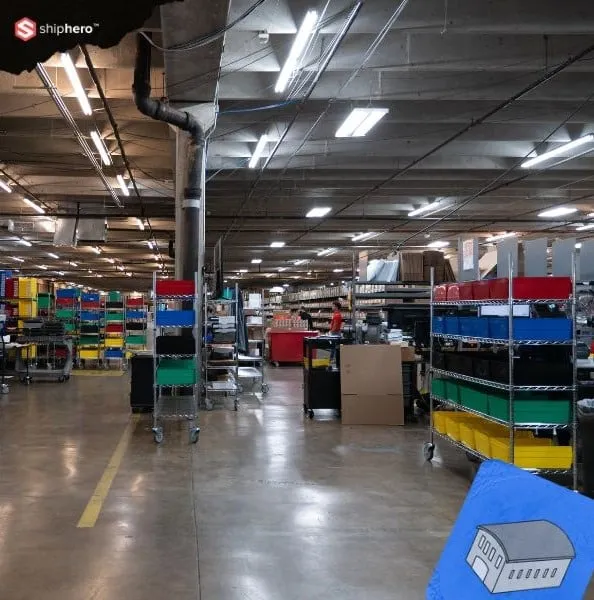
Discover the top 5 best third-party logistics (3PL) companies for your business needs, offering extensive networks, advanced technology, and superior customer service. Learn about the benefits of 3PL services, how to choose the right provider, and avoid common mistakes.
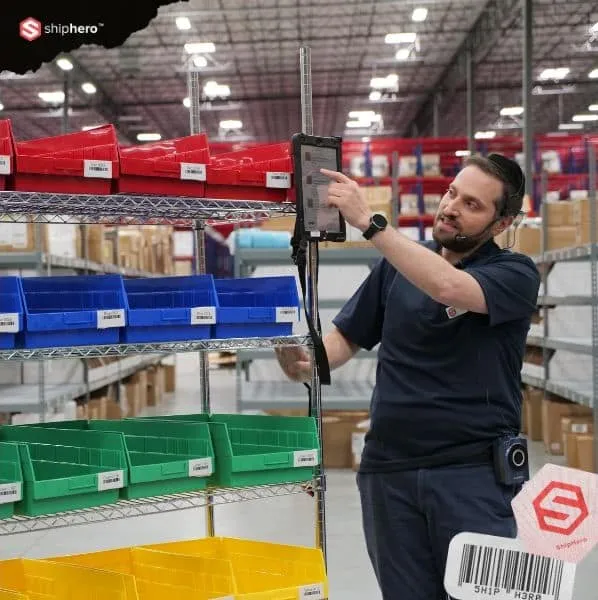
Discover the role, benefits, key features, requirements, and implementation of a 3PL Warehouse Management System (WMS) for optimizing warehouse operations. Learn about scalability, integration, real-time visibility, and customization options to choose the best solution for your business.

On September 1, 2026, Descartes Systems Group announced its acquisition of Extensiv for approximately $120 million. What was announced, what usually follows deals like this, and the questions Extensiv customers should put to their vendor before renewal.



.svg)



.webp)