.svg)

Understand the critical differences between inventory management and warehouse management, and how each impacts your supply chain.

.svg)
At first glance, inventory management and warehouse management might appear to be interchangeable terms, two sides of the same logistical coin. After all, both deal with products, storage, and the movement of goods.
But in reality, both are distinct systems, each with its own set of responsibilities, technologies, and strategic importance. Today, many businesses still struggle to distinguish where one system ends and the other begins.
In this article, we’ll explore what each system does, how they complement each other, and how to decide which solution (or combination) best supports your business.
Ultimately, understanding the critical differences between them is the key to building a more responsive, efficient, and profitable operation.
Inventory management is the strategic process of tracking, ordering, and optimizing stock levels across multiple locations. It’s the system that ensures your business always has the right products, in the right quantities, at the right time.
At its core, inventory management goes beyond simple counting:
Warehouse management, on the other hand, is all about how goods move within a facility, not just where they are. It focuses on the physical control and operation of storage spaces.
If inventory management is your brain, warehouse management is your hands and feet. It governs everything that happens inside the warehouse, from receiving goods to shipping orders.
A robust warehouse management system (WMS):
The main difference between inventory management and warehouse management lies in the scope and focus areas. While both systems are integral to the supply chain, they differ significantly in their tools, processes, and use cases.
According to Investopedia, inventory management focuses on maintaining optimal stock levels across locations, while warehouse management centers on the efficient handling and storage of goods within the warehouse.
Function
Inventory Management
Warehouse Management
TrackingProduct-level tracking across locationsPhysical location tracking within the warehouseReorderingBased on sales and forecasted demandBased on internal stock levelsFulfillmentSupports order routing and stock availabilityFocuses on efficient picking/packingValuationInventory costing and turnover metricsNot a focus
While inventory and warehouse management often overlap in function, the software systems that power them are designed with different goals in mind. Although both systems integrate with shipping and logistics systems to improve order accuracy and customer satisfaction.Inventory Management Systems (IMS)
Warehouse Management Systems (WMS)
Inventory management focuses on product-level data and availability across your entire operation. Basically, it’s concerned with what you have, where you have it, and when you'll need more.
Warehouse management focuses on physical processes, location-level control, and movement within a specific facility. It's all about how efficiently you can move products from point A to point B within your four walls.
IMS platforms are typically cloud-based to maintain accurate stock levels across all sales channels. They often include tools for:
WMS platforms leverage advanced tech to run your warehouse at peak efficiency. They are specifically designed for handling warehouse operations and improving throughput.
Inventory management systems are often simpler to implement and scale. Most growing businesses can implement inventory management without major operational disruption.
Warehouse management systems are more complex and require more setup. They are typically used in large-scale operations where the complexity of movement and fulfillment is much higher.
The main difference between IMS and WMS software solutions is what they’re designed to optimize. It all comes down to their real-world applications and the problems they solve for different types of operations.
In many cases, businesses use both systems in tandem. This combination provides complete visibility and control, from procurement to picking to shipping.
You should consider an Inventory Management System (IMS) if:
You should consider a Warehouse Management System (WMS) if:
Choosing between inventory and warehouse management systems depends on your current scale, growth trajectory, and operational pain points.
PRO TIP: Start with the system that solves your biggest pain point today, and look for solutions that can scale with you.
Yes, IMS and WMS can be integrated for complete end-to-end visibility and control. This allows businesses to sync inventory data with warehouse operations, which improves both forecasting and fulfillment accuracy.
Not exactly. While the two are related, warehouse management is typically considered a complementary system to inventory management. It’s focused on the execution side of the supply chain, specifically inside the warehouse.
It depends on your business priorities and current operational challenges. IMS is crucial for ensuring product availability and informed purchasing decisions. WMS is essential for fast, accurate fulfillment and warehouse efficiency.
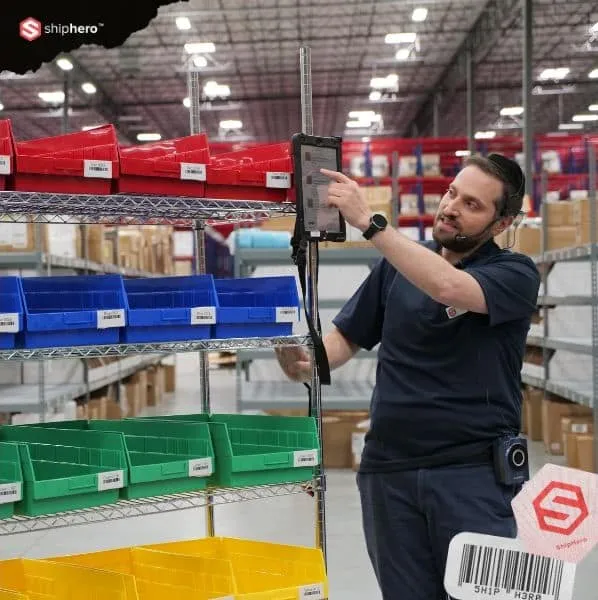
.webp)
Discover the role, benefits, key features, requirements, and implementation of a 3PL Warehouse Management System (WMS) for optimizing warehouse operations. Learn about scalability, integration, real-time visibility, and customization options to choose the best solution for your business.
.svg)

Explore the top 3PL companies in Canada and learn how third-party logistics providers play a vital role in optimizing supply chains. Discover the benefits of partnering with a 3PL, key services offered, and steps to start working with a 3PL in Canada.
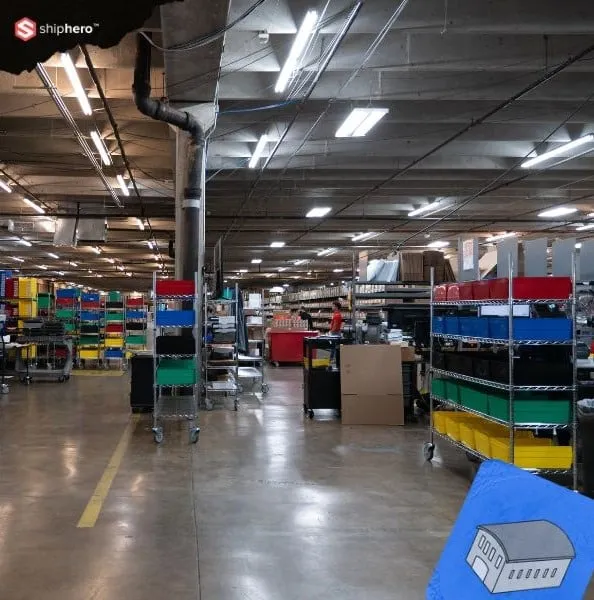
Discover the top 5 best third-party logistics (3PL) companies for your business needs, offering extensive networks, advanced technology, and superior customer service. Learn about the benefits of 3PL services, how to choose the right provider, and avoid common mistakes.

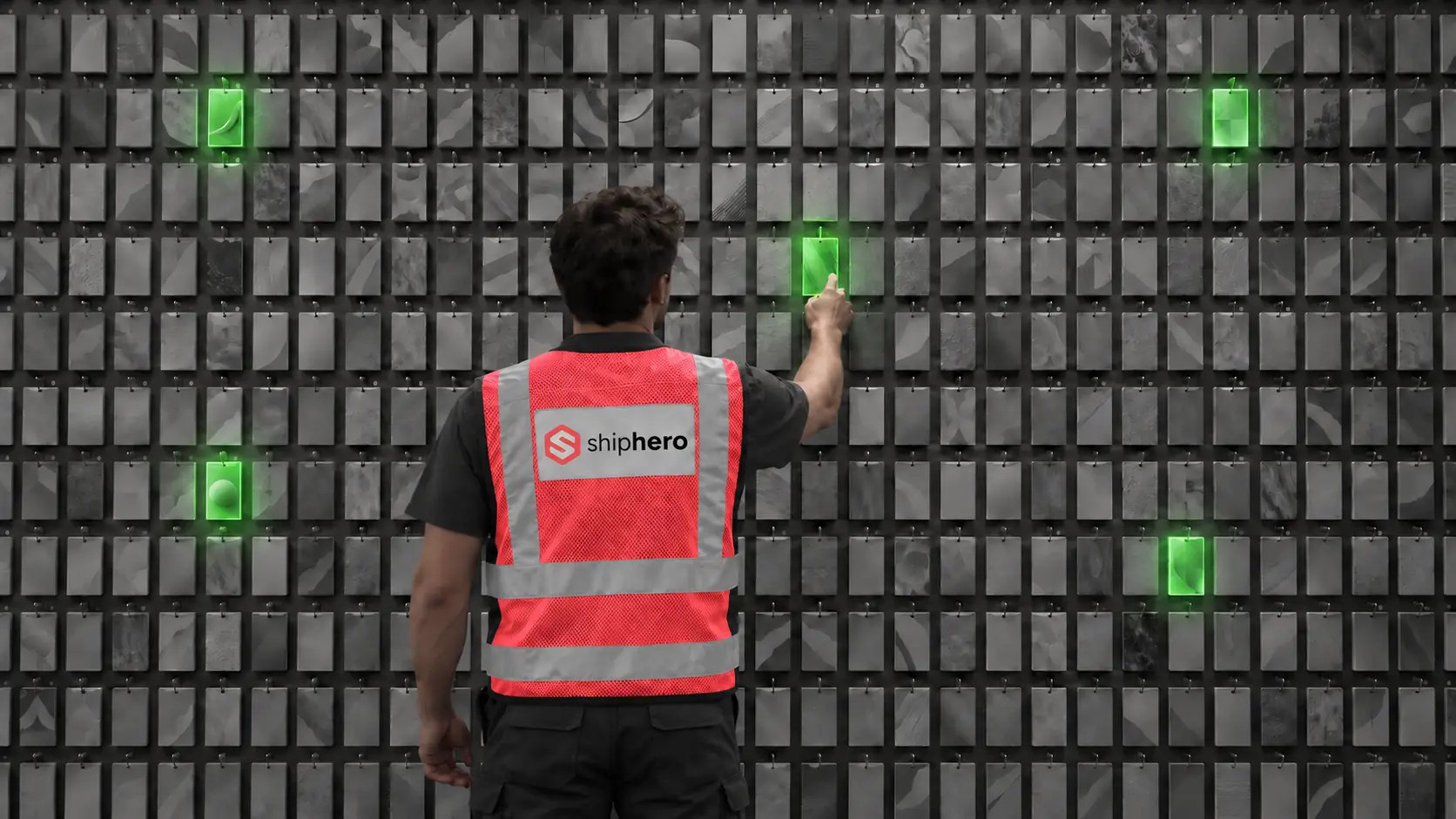
At the denser wall, average picking time per order fell from 40 seconds to 13, and orders that ran clean from start to finish rose from 18% to 97%. This is the companion to our Direct Pack + Pack-to-Light case study, from the same research.




.svg)



.webp)