
.svg)

Inbound and outbound logistics are two key areas your company needs to optimize to stay competitive in today's fast-paced business environment. Inbound logistics involves managing the movement of raw materials and supplies into a company's facilities, while outbound logistics focuses on getting finished products out to customers.

.svg)
Imagine embarking on a strategic journey, akin to a meticulously planned road trip. In the business landscape, logistics serves as the roadmap that ensures smooth operations. Inbound and outbound logistics are pivotal components of this roadmap. In this article, we will delve into the intricacies of both outbound logistics focuses and provide insights on optimization. Just as a well-charted route is essential for a successful road trip, a robust logistics strategy is vital for seamless business operations.
Logistics management, in the commercial sphere, pertains to the systematic movement of goods, materials, and inventory from one location to another. It is a comprehensive process that includes inventory management, adding packing slips, transportation, and final delivery of incoming goods. To meet evolving customer demand and expectations, businesses must maintain a high level of coordination and oversight throughout these processes. This involves a complex web of relationships with suppliers, carriers, and partners. The difference between a successful logistics operation and an inefficient one often lies in the quality of these relationships and the systems in place.
Logistics is instrumental in determining a business's success trajectory. It is the backbone that ensures timely delivery of goods in optimal condition. By refining logistics processes, businesses can realize cost efficiencies, enhance operational effectiveness, and carve a niche in their respective markets. Effective logistics operations also involve data-driven decision-making, technology integration, and a network of reliable partners to optimize inbound logistics. In some areas, the use of ltl (less-than-truckload) carriers, efficient routes, and trucks can make a significant impact on the efficiency of outbound logistics services and operations.
Inbound logistics revolves around the movement of raw materials and goods into a company's premises, encompassing activities from sourcing to warehousing. Conversely, the outbound logistics process is about delivering the final products to the end-users, from ecommerce fulfillment to transportation. While both are interlinked, they necessitate distinct strategies. Mastery over both is crucial for a company's success, and their optimization demands meticulous planning and execution. For example, the relationship between a company's inventory planning and its manufacturing process can determine the efficiency of its supply chain management.
Inbound logistics is the linchpin that ensures timely availability of raw materials at competitive prices, facilitating efficient production. On the other hand, outbound logistics is pivotal for swift and efficient product delivery to customers, enhancing customer satisfaction. By streamlining both, businesses can achieve reduced delivery times, curtailed shipping costs, and heightened customer satisfaction. The control system in place, from order packaging in the warehouse to distribution centers to outbound transportation via carriers, plays a vital role in this service process.
Leveraging software, such as ShipHero's warehouse management software, can significantly enhance the management of both inbound and outbound logistics operations. It is paramount to select a solution that caters to both processes comprehensively. Incorporating systems that offer visibility into stock information and freight rates can further optimize how outbound logistics services handle their operations.
A robust, efficient inbound logistics framework is a precursor to efficient, outbound logistics processes. Any disruption in the inbound process can ripple into production delays, affecting the outbound process. Hence, prioritizing inbound logistics is essential for optimizing the entire supply chain.
Inbound logistics faces several challenges, including limited real-time shipment visibility, capacity constraints leading to bottlenecks, inefficient processes, communication gaps between suppliers and warehouses, and inventory costs and unexpected disruptions causing shipment delays. The lack of a robust inventory planning warehouse management system can exacerbate these inefficiencies.
Optimization hinges on areas like supplier management, transportation planning, warehouse operations and inventory management. Building strong supplier relationships can lead to better pricing and delivery terms. Employing transportation planning tools can further enhance efficiency. For instance, understanding the difference in transportation costs when choosing between various carriers can lead to significant cost savings.
Outbound logistics grapples with challenges like increased costs due to inbound delivery delays, efficiency bottlenecks, need for meticulous planning, communication hurdles, and inbound logistics focuses and leveraging technology for supply chain optimization. The vics (Voluntary Interindustry Commerce Solutions) standards, for example, can help streamline some of these processes.
To enhance outbound logistics, businesses should focus on inventory accuracy, transportation mode selection, carrier coordination, cost management, and efficient order fulfillment. A blend of technology, automation, and effective communication across distribution channels is the key. Incorporating freight management and packaging solutions can further streamline the process.
The synergy between e-commerce fulfillment and logistics is pivotal for success. It's like merging two streams to create a powerful river of efficiency. The synchronization of real-time inventory updates, automated order processing, and efficient fulfillment ensures a seamless transition from virtual shopping to real-world sales process and satisfaction. This collaboration between systems amplifies the triumph of online businesses.
Returned products find new life within the supply chain. Reverse logistics reshapes the journey of returns into opportunities for enhanced efficiency. From reinvigorating electronics to recycling packaging materials, it's about maximizing utility and fuel costs and minimizing waste. Beyond handling, it's a process that transforms returns into a circular approach for greater sustainability and customer goodwill.
Blockchain technology guarantees transparency in the supply chain. It's like a secure digital ledger ensuring every step is traceable. This clarity fosters trust among stakeholders, mitigates fraud risks, and upholds authenticity. Think of it as a conductor ensuring each note is played correctly; blockchain ensures the notes of logistics are authentic and tamper-proof.
Businesses form collaborative and delivery networks, to optimize logistics efficiency. Collaborative logistics networks share transportation resources, warehouses, and insights to reduce costs and environmental impact. Just as musicians collaborate to create harmonious music, businesses collaborate to create a harmonious supply chain where efficiency is the melody.
Global trade compliance ensures smooth international trade operations. It's about understanding and harmonizing diverse regulations to facilitate cross-border movements. Like translators interpreting various languages, global trade compliance ensures that goods traverse international borders seamlessly in line with regulations.
Warehouses equipped with AI and sensors execute precision in inventory management. It's akin to a choreographed performance where products transition smoothly from shelves to shipping. With heightened accuracy in inventory management and streamlined order fulfillment, it's like orchestrating a dance of efficiency where products move seamlessly from distribution center to their intended destinations.
Green logistics initiatives focus on eco-friendly transportation modes and strategies to reduce environmental impact. It's akin to adopting sustainable practices to deliver goods while minimizing carbon footprints. The focus lies on minimizing environmental impact while ensuring efficient logistics. Trends like Print on Demand are helping overcome inventory wastage.
Logistics data transforms into actionable insights that harmonize operations. It's like crafting a symphony where each instrument plays in sync. Analytics orchestrate efficient inbound logistics processes, ensuring all elements of the operation are well-coordinated and in tune.
Navigating international borders involves the expertise of customs brokerage services. These services ensure smooth movements through customs procedures, ensuring compliance and uninterrupted transportation operations and cross-border logistics.
Emergency logistics coordinate backup plans and swift actions, ensuring uninterrupted operational rhythm, even in challenging situations.
Inbound logistics involves managing the movement material handling of raw materials and supplies into a company’s facilities. For instance, a manufacturer procuring PCBs from a supplier, coordinating its transportation, and storing it in the warehouse is an example.
Outbound logistics pertains to delivering finished products to customers. A clothing retailer whose outbound logistics involves fulfilling an online order by picking, packing, and shipping the item to the customer exemplifies this.For a deeper dive into supply chain efficiencies, check out this article. To understand the nuances of warehousing, explore what is warehousing.

.webp)
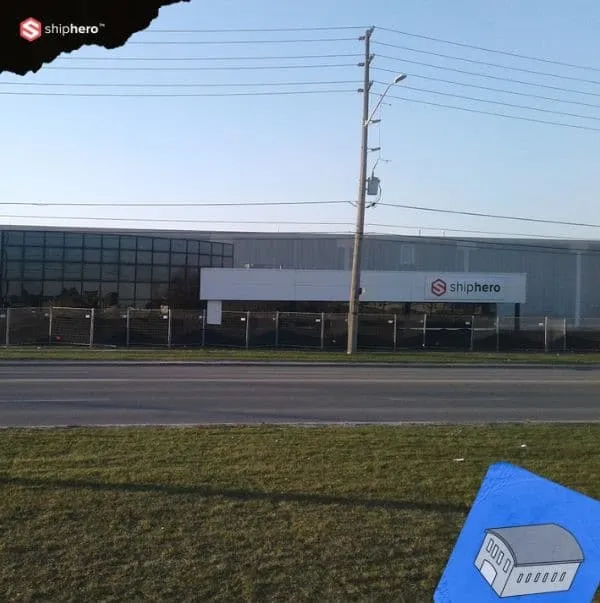
Explore the top 3PL companies in Canada and learn how third-party logistics providers play a vital role in optimizing supply chains. Discover the benefits of partnering with a 3PL, key services offered, and steps to start working with a 3PL in Canada.
.svg)
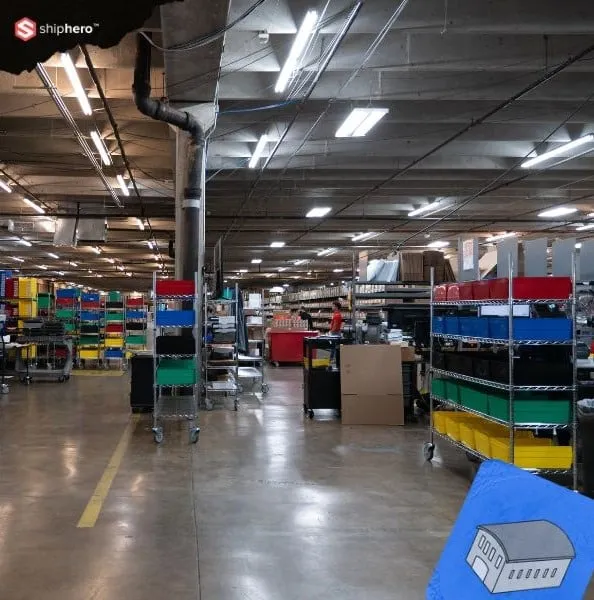
Discover the top 5 best third-party logistics (3PL) companies for your business needs, offering extensive networks, advanced technology, and superior customer service. Learn about the benefits of 3PL services, how to choose the right provider, and avoid common mistakes.
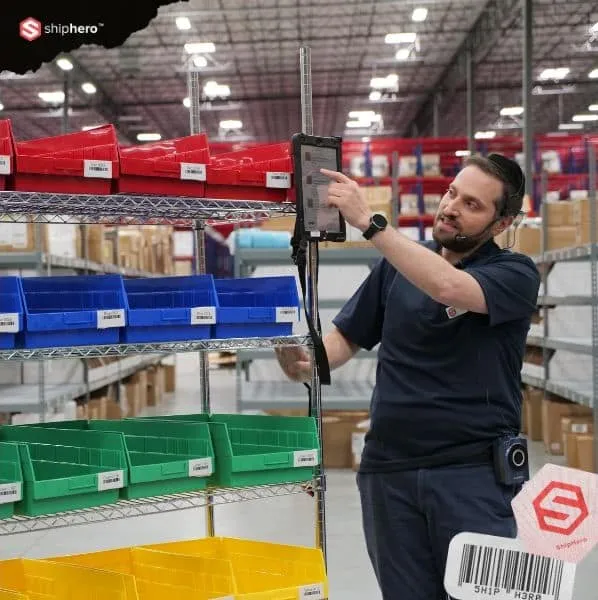
Discover the role, benefits, key features, requirements, and implementation of a 3PL Warehouse Management System (WMS) for optimizing warehouse operations. Learn about scalability, integration, real-time visibility, and customization options to choose the best solution for your business.
On September 1, 2026, Descartes Systems Group announced its acquisition of Extensiv for approximately $120 million. What was announced, what usually follows deals like this, and the questions Extensiv customers should put to their vendor before renewal.



.svg)



.webp)