
.svg)

Let’s stay in touch with the ShipHero Blog.


.webp)
The ShipHero Model Context Protocol (MCP) connects supported AI clients directly to your live ShipHero data, so warehouse teams can ask questions and get specific answers from their own account. It is built for day-to-day operational checks, including inventory levels, open orders, shipment status, holds, returns, purchase orders, and exceptions. For ShipHero customers, it is available at no additional charge and runs on existing API credits.
Every order, shipment, inventory movement, hold, return, and purchase order creates data inside ShipHero. Your warehouse information is right there, but getting to it can be a slow, complex process.
Before the ShipHero MCP, answering a specific operational question often meant logging in, finding the right report, applying the right filters, exporting data, or asking the one person on the team who knew where to look.
Even when the answer was simple, like a quick inventory check, it could turn into a 20 to 45 minute task. A customer question could sit half a day while someone pulled the right numbers. That delay adds friction to the floor. It slows decisions. It keeps teams waiting on data they already own.
The ShipHero MCP gives supported AI clients secure, read-only access to live ShipHero data.
That means operators can ask questions in plain English and get answers from their actual account, not from a generic help article or static knowledge base. A chatbot can tell you where to find a number. The ShipHero MCP can return the number itself.
It works with MCP-enabled AI clients, including Claude, ChatGPT, Cursor, and Codex. Connect it once, authenticate access, and your team can start asking operational questions from the AI tool they already use.
The workflow is simple:
The MCP does not replace ShipHero. It makes the data inside ShipHero easier to reach when your team needs a fast answer.
The ShipHero MCP is designed for everyday operational questions, such as:
If the data lives in your ShipHero account, the MCP gives your team a faster way to ask for it.
Speed matters, but safety matters too.
The ShipHero MCP is read-only by design. It can retrieve information from your account, but it cannot create orders, modify records, delete data, or change warehouse settings.
That gives teams a practical way to use AI for operational visibility without risking accidental account changes. Operators can ask. Managers can check. 3PL teams can answer client questions faster.
The data becomes easier to use, while the records stay protected.
For founders, the MCP can turn a quick inventory check into a simple question.
For operations leads, it can surface shipment status, holds, exceptions, and low-stock SKUs without digging through reports.
For 3PL operators, it can help answer client questions faster, using live account data instead of manual follow-up.
The result is a faster way to reach the information already inside ShipHero.
The ShipHero MCP is available to all ShipHero customers at no additional charge. It runs on existing API credits, so specific questions help keep usage efficient.
To get started, visit developer.shiphero.com or contact your ShipHero account representative.
ShipHero MCP is a read-only connection between supported AI clients and your live ShipHero data. It lets users ask operational questions in plain English and receive answers from their actual ShipHero account.
A chatbot usually answers from fixed, generic information. ShipHero MCP connects to live account data, so it can return specific answers about your orders, shipments, inventory, holds, returns, and other ShipHero records.
ShipHero MCP works with AI clients that support the Model Context Protocol, including Claude, ChatGPT, Cursor, and Codex.
No. ShipHero MCP is read-only. It can query data, but it cannot create, update, or delete records in your ShipHero account.
No. The MCP is built for operators and can be connected from a supported AI client in minutes. Developers may use more advanced tools for deeper analysis, but most day-to-day users can work directly with the MCP.
Yes. ShipHero MCP is available to ShipHero customers at no additional charge and runs on existing API credits.
Transitioning to a new Warehouse Management System (WMS) is a high-stakes decision that often triggers concerns regarding downtime, data integrity, and workforce adaptation. As warehouses prepare for 2026 growth, understanding these common hurdles—and the technical solutions that resolve them—is essential for a successful migration. This guide addresses the five primary barriers to adoption and how a high-velocity infrastructure ensures a seamless transition.
Warehouse operators frequently hesitate to upgrade due to perceived risks that can halt operations. These challenges typically include:
To clear these hurdles, a structured implementation strategy is used to prioritize data density and entity clarity.
In the competitive eCommerce landscape, staying stagnant with manual workarounds is often more costly than the transition itself. Moving to a high-velocity WMS converts your warehouse from a cost center into a growth engine by providing Labor Efficiency and ROI through automated routing and reduced authentication friction.
Because the platform is built for the floor worker, features like Workforce Hero allow seasonal temps and new staff to be authenticated and productive in under an hour.
No. High-velocity infrastructure increases visibility by providing Total Real-Time Control. Managers can monitor exactly what is in the Hospital queue and track replenishment in real-time from a single dashboard.
Before going live, a ground-up audit is performed using cycle counting tools. The system's architecture ensures that every movement on the floor is synchronized with sales channels instantly, maintaining 99.9% accuracy.
Picture a packer at Peak Season. A box is in front of them, a product in each hand, and somewhere on a cluttered desk there's a mouse they need to find to confirm the order. They look down. They hunt. They click. Then they do it again. Thousands of times a day.
That moment of friction is small. But it is never just one moment. Multiply it across your entire pack line, across an entire shift, and you are looking at a measurable and largely invisible drag on your total throughput.
Tap-to-Pack is a purpose-built hardware controller designed by ShipHero to eliminate digital friction at the packing station. It connects via USB-C, requires no drivers or additional software, and syncs automatically with the ShipHero WMS packing app. This new system is now available at the ShipHero Store.
Instead of navigating a screen with a keyboard and mouse, packers execute every high-frequency command — such as selecting box sizes, printing labels, finalizing orders, flagging exceptions — with a single physical tap on one of eight programmable buttons.
Key specifications:
Most warehouses are running 2026 operations on 1990s peripheral standards. The keyboard and mouse were designed for spreadsheets and emails, not high-volume fulfillment. When used at a packing station, they create three compounding problems:
The problem is not your people. It is the tools you are asking them to use.
Tap-to-Pack introduces a "Rodent-Free" packing standard: a workflow where the packer's hands stay on the product, their eyes stay on the work, and the software fades into the background.
The device guides the packer through two feedback systems:
ShipHero customers running Tap-to-Pack are already seeing a 90% reduction in on-screen interactions and a significant increase in the number of orders packed per hour, without adding headcount or changing their warehouse layout.
One of the hardest challenges in fulfillment is absorbing volume quickly, especially during Peak Season, when temporary staff need to reach target productivity fast.
Because Tap-to-Pack's interface is physical and intuitive, there is almost nothing to teach. Pick up the product, follow the light, tap the button. New packers can reach target productivity in minutes rather than hours.
The system is also modular:
Whether you are a growing DTC brand or a high-volume 3PL, Tap-to-Pack is designed so your hardware never becomes a ceiling on what your team can do.
Tap-to-Pack is a programmable, industrial-grade hardware controller that connects to the ShipHero WMS and allows warehouse packers to execute packing station commands, such as printing labels, selecting boxes, and completing orders. All with a single physical button press, eliminating the need for a keyboard and mouse.
The device connects via USB-C and syncs automatically with the ShipHero WMS packing app. It is a true plug-and-play solution: no drivers, no background software, and no manual configuration required.
Yes. Buttons are configurable for a range of packing actions, including Print Label, Complete Order, Select Box Size, and the Hospital function, which flags a problematic order and keeps the line moving without stopping to resolve it on screen.
The system is fully modular. Connect up to two additional 8-button hubs to the Main Hub for a total of 24 programmable buttons, supporting even the most complex multi-step packing workflows.
Tap-to-Pack devices require ShipHero Packing App v1.0 or higher. The current release is v1.1.0.
Imagine running a warehouse where orders are picked quickly, inventory is accurate, and all operations run smoothly without any errors or delays. Thanks to Artificial Intelligence, this can now become a reality with ease.
AI is transforming warehouse management by enhancing efficiency, intelligence, and the ability to meet the rapid demands of today’s eCommerce-driven market.
ShipHero is pioneering this revolution with its AI-powered warehouse solutions, setting new industry benchmarks. This article explores ShipHero’s AI Picking feature, highlighting how it’s transforming warehouse management and enhancing operational efficiency.
The integration of AI technologies, including machine learning, robotics, and predictive analytics, is revolutionizing warehouse operations, driving significant improvements in efficiency, accuracy, and overall performance. These innovations are optimizing processes across various areas, from inventory management to order fulfillment. Below are the key benefits of AI in warehouse management.
A combination of AI technologies is shaping smarter warehouse systems to help revolutionize warehouse management.
ShipHero has taken AI integration to the next level with its AI Picking feature, designed to significantly improve warehouse efficiency. This feature automates the picking process, reducing the reliance on manual labor and enhancing productivity in ways that were once thought impossible.
Let’s dive deeper into how ShipHero’s AI Picking works and the advantages it offers.
AI Picking optimizes warehouse operations in two key ways:
The AI Picking feature delivers a wide range of benefits:
The transformative power of AI extends far beyond just picking. AI is also revolutionizing other aspects of warehouse management, driving improvements in operational efficiency, inventory management, and safety.
AI automates tasks, reducing errors and increasing speed. Automated sorting and real-time inventory tracking ensure accuracy, while real-time monitoring helps managers adapt and ensure timely deliveries.
AI plays a vital role in maintaining accurate inventory levels. By leveraging predictive analytics, AI can forecast demand and optimize stock levels, helping warehouses avoid both stockouts and overstock situations. This leads to better inventory management and fewer disruptions in supply chains.
AI-driven systems can monitor warehouse conditions to ensure safety and compliance with industry regulations. These systems can analyze warehouse data and predict potential hazards before they occur, proactively reducing risks and ensuring a safer working environment.
AI technologies are playing a transformative role in the supply chain and logistics sectors by improving efficiency, reducing costs, and enhancing decision-making.
These intelligent systems effortlessly manage supply chain processes by using data to optimize operations, predict trends, and automate routine tasks. This ultimately reshapes everything, from how goods are moved to stored and delivered.
The future of warehouse management looks promising with greater automation and efficiency, but future warehouse digitization brings challenges, such as high upfront costs and the need for skilled personnel.
AI-powered drones, autonomous robots, and IoT integration are smart warehouse technologies that are revolutionizing warehouse operations. Drones will deliver goods quickly, while robots automate sorting and transportation, thereby reducing the need for manual labor.
IoT and AI integration will enable real-time monitoring and optimization of operations. Smart technology in warehouses is leading to fully automated systems that are faster, scalable, and need minimal human input.
While AI offers immense benefits, businesses must also consider certain challenges. High initial investments in AI technology, data security concerns, and the need for skilled personnel are just a few of the hurdles that must be addressed.
However, with a strategic approach, companies can eliminate the challenges and embrace AI’s full potential to boost accuracy in picking and improve overall warehouse operations.
AI minimizes error by automating tasks like inventory tracking, order picking, and sorting, ensuring greater accuracy and efficiency.
Yes, AI-driven predictive analytics can predict demand, track inventory levels, and improve supply chain efficiency by forecasting needs with greater accuracy to help businesses stay ahead of trends and market fluctuations.
AI solutions are becoming more cost-effective thanks to cloud-based services and subscription pricing models. These options make AI technology more accessible to small businesses, allowing them to take advantage of its benefits without large upfront costs.




A packing table workstation is an area where orders are packed and labeled for shipping. It should be kept clutter free and have shelves for packing materials. Packing tables need to be strong and durable to withstand constant use and heavy weight.
A factor to consider when setting up a packing bench is that it should be ergonomic. Supplies and materials should be positioned within comfortable reach and kept in the same place on each shelving unit. Examples of supplies that should be easy to access include:
There should also be easily accessible storage space nearby and a place to hang and store tools such as a tape gun or staple gun. Custom packing tables that consider available space can be set up to meet the needs of your organization. Larger eCommerce companies may benefit from a spacious packing table that’s accessible from all sides, allowing it to be used by multiple people at the same time.
To find out how ShipHero sets up our own packing stations, check out this video!
For maximum efficiency, determine the job duties of warehouse staff to make sure there isn’t duplicated effort. Who is responsible for bringing orders to the packer or checking line items to the packing list? A procedure needs to be in place regarding damaged items. If items that are about to be packed are found to be damaged, there needs to be an area for storing partially packed orders until damaged items are replaced.
Packing-related supplies need to be replenished at the packing station periodically. Determine who is responsible for taking care of this. Packers shouldn’t have to interrupt their process to go find replacement supplies or wait while someone else puts fresh supplies on the station. A way to replenish supplies quickly is by using portable supply carts that can be wheeled up to the table. Some packing tables can be accessed from the back so that the packer doesn’t have to pause their process.
A procedure also needs to be defined regarding how packed orders are moved away from the packing station to the shipping area. An effective way to do this is to have a conveyor belt within arm’s reach that moves completed packages to the shipping area. When this is set up right next to the packing table, the packer may be able to slide packages on the conveyor belt so that the packages do not have to be lifted or carried. Another option is for completed packages to be placed on a wheeled cart that’s rolled away when it’s full.
When packing table workstations aren’t well designed, it can affect productivity and increase the risk of errors in order fulfillment. When time is being wasted because of disorganized pack tables, labor costs may go up and you may have to pass on increased shipping and handling costs to your clients. An area that’s not kept clutter-free can increase the chances of dropping and breaking items or mislabeling packages.
Accidental injuries occasionally happen on the job so it’s a good idea to consider how much potential for injury there is when thinking through how ergonomically correct your company’s packing stations are. Time spent hunching or crouching can cause damage to muscles or bones over time. The packing station and height of office chairs should be adjustable to take the worker’s height into consideration. If it’s possible to have workers push boxes onto a conveyor belt rather than lifting them, it can help to prevent back or shoulder injuries.
When a packing station is being used regularly, it’s a good idea to pay attention to how smoothly things are working and see if there’s a way to make the packing station more efficient. Is time being wasted because frequently used items aren’t easily accessible? Pay attention to processes that may need to be simplified or modified, such as time spent walking to get items from pickers and time spent crouching or hunching.
Clients expect speedy delivery, and an efficient packing table workstation is an important part of having a streamlined order fulfillment process. Periodically review the effectiveness of your packing stations and see if changes need to be made to improve efficiency, whether your goal is to increase packing speed or reduce breakages.
.svg)
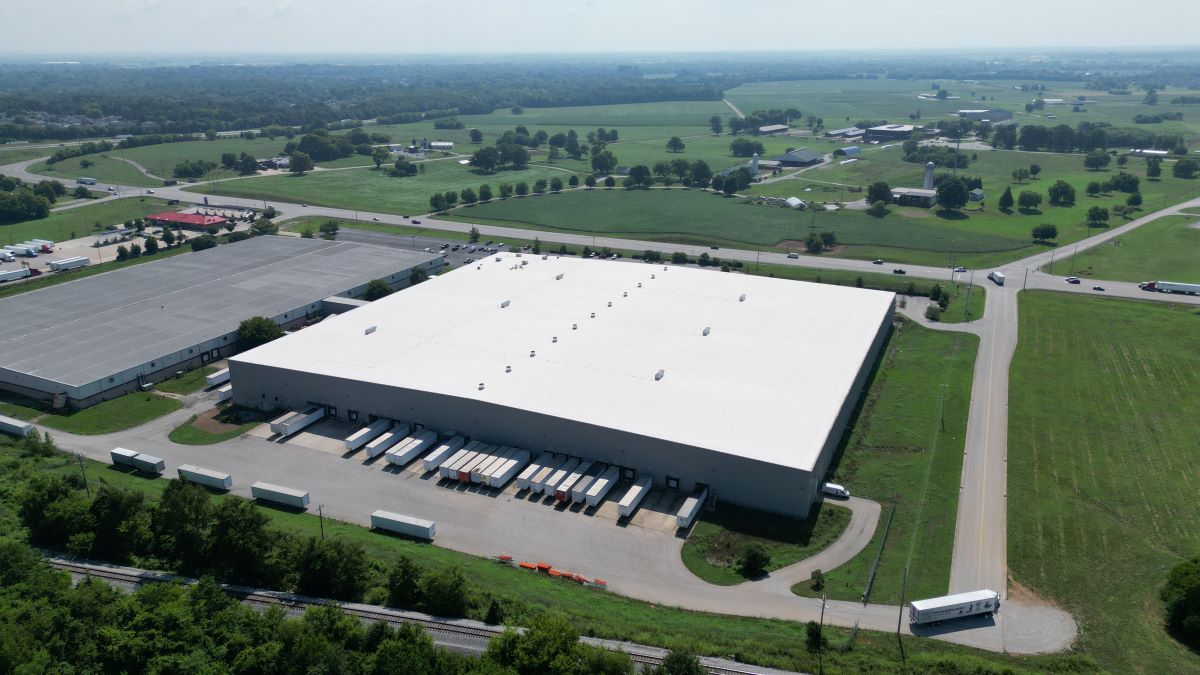
In the world of supply chain management, understanding the different types of warehouses is crucial. These storage areas, ranging from stockrooms to depots to consolidated warehouses, each serve a unique purpose, facilitating order fulfillment and ensuring customer satisfaction. They are integral to the warehouse design and management systems of any company.
Private warehouses are owned and operated by suppliers and manufacturers, or distributors. These private warehousing storage systems provide an advantage of control over the handling and storage of materials. Companies like Target have their own private warehouse or warehouses, offering flexibility to adapt to changes and control transportation costs. The name of the warehouse owned or company is usually associated with the warehouse for easy identification and maintenance.
Public warehouses are rented spaces, offering storage to different businesses on a contractual basis. For startups and smaller companies, this eliminates the need for a large investment in a private building. An added benefit of public warehouses is their potential for warehouse automation, improving efficiency and reducing human error. These warehouses can be found in almost every country.
Bonded warehouses are government-licensed storage areas for imported and duty-unpaid goods. This type of warehouse enables manufacturers to defer payment of taxes until goods are sold or shipped, aiding in maintaining cash flow. They also provide a secure environment for storing valuable items such as pharmaceuticals in secured boxes.
Cooperative warehouses are owned and operated by organizations of farmers or similar groups to store and distribute members' produce. They can reduce transportation and packaging costs while maintaining a high level of customer service. These public warehouses tend to perform specific functions that cater to the needs of the cooperative members.
Less control and insight on stock levels, products flow and product handling since the goods are under the control of the client.
Distribution centers are key for fast-paced order and fulfillment services. A prime example of this type of warehouse function is cross-docking, where incoming shipments are directly transferred to outgoing areas, minimizing storage time and cost. In some cases, these fulfillment centers also serve as a stash point for goods before they are distributed to different locations.
There is also room to store temporary goods. Unlike other warehouses the warehouses can store material for temporary and long periods, with significantly higher rates for goods incoming and outgoing. If a large amount of material is collected and distributed to multiple distributors in your supply chain it can help greatly. Distribution centres manage and ship orders as well and are essential in the communication of suppliers and clients.
Automated warehouses use state-of-the-art warehouse automation technology to streamline processes. These smart warehouses can handle large quantities of products and improve accuracy in order fulfillment. It's an optimal solution for companies aiming for growth and efficiency. The warehouse layout in these facilities is designed to maximize automation.
It is a storage area where temperature-sensitive materials like medications, cosmetics and drinks are stored. These warehouses are specially constructed to maintain the lowest possible temperatures. This storage facility is mainly beneficial because it will keep the quality for years. A further cooling system provides the temperature within the cold storage facility.
To dive deeper, let's take a look at some concrete examples of how different warehouses have different use cases. The U.S. government maintains government warehouses for storing reserves of essential items, from emergency medical supplies to military equipment. This government warehouse serves as an example of how even private sector companies and warehouses can cater to very specific needs.
Amazon's modern warehouses are another fantastic illustration of warehouse automation. These tech-powered facilities maintain a vast range of products, managing inventories with advanced robotics. They're designed to store inventory and ensure quick, accurate deliveries of imported goods to customers, showcasing the efficiency and scalability automated warehouses can provide. Their proprietary warehouses have set the benchmark of digital transformation in the warehousing operations industry and are optimal for long term storage.
Costco operates a network of cooperative warehouses. It sources products directly from producers and sells them to consumers in bulk via a typical cooperative warehouse, reducing transportation and packaging costs. These warehouses cater to members, reflecting the utility of cooperative warehouses for certain business models.
However, there are also cons to fulfillment centers. Costs can add up quickly, particularly if making extensive use of their value-added services. You also have little control over how your items are handled and shipped, which can risk product damage and unhappy customers best suited to storage items on a short-term basis, such as those with high-value In other words, rather than operating in an open-plan first-come, first-serve basis, contract warehouses provide storage when it is advisable.
Costs associated with warehouse operations can be a deciding factor in which type of public warehouse is right for your business. A private warehouse may require a higher upfront investment for construction or purchase, but ongoing costs are within your control. Public warehouses eliminate that initial expenditure but have recurring rental fees. Bonded warehouses provide tax advantages, while automated warehouses may save businesses money entail substantial technology and maintenance costs. Evaluating these costs in relation to your business's financial capacity and long-term goals is crucial.
Choosing the right warehouse will depend on several factors, including:
Ask yourself these reflective questions to help in your decision-making process:
Remember, the correct warehouse inventory and storage facility choice can enhance your supply chain management.
Looking at real-world examples can further clarify the impact of warehouse space and type on a business's success:
The warehousing industry doesn't stand still. In a decade, every warehouse will be a smart warehouse and make the best use of the following emerging trends:
Embracing these trends can give your business a competitive edge, allowing you to maximize efficiency and adapt to future business needs and challenges in the warehousing industry.
The warehouse is more than just a storage space. It's an essential cog in the supply chain management system. Understanding the different types of warehouses and their pros can provide your business with an edge, enhancing order fulfillment and bolstering customer satisfaction. From private hoards to other warehouse options, automated caches to on demand warehouses, the answer to your storage needs lies in understanding these warehouse types.
—
Whether you want to let go of running your own warehouse, or run your warehouse better, you can do both – and so much more – with ShipHero.
Click HERE to Schedule a Meeting with Our Sales Team.
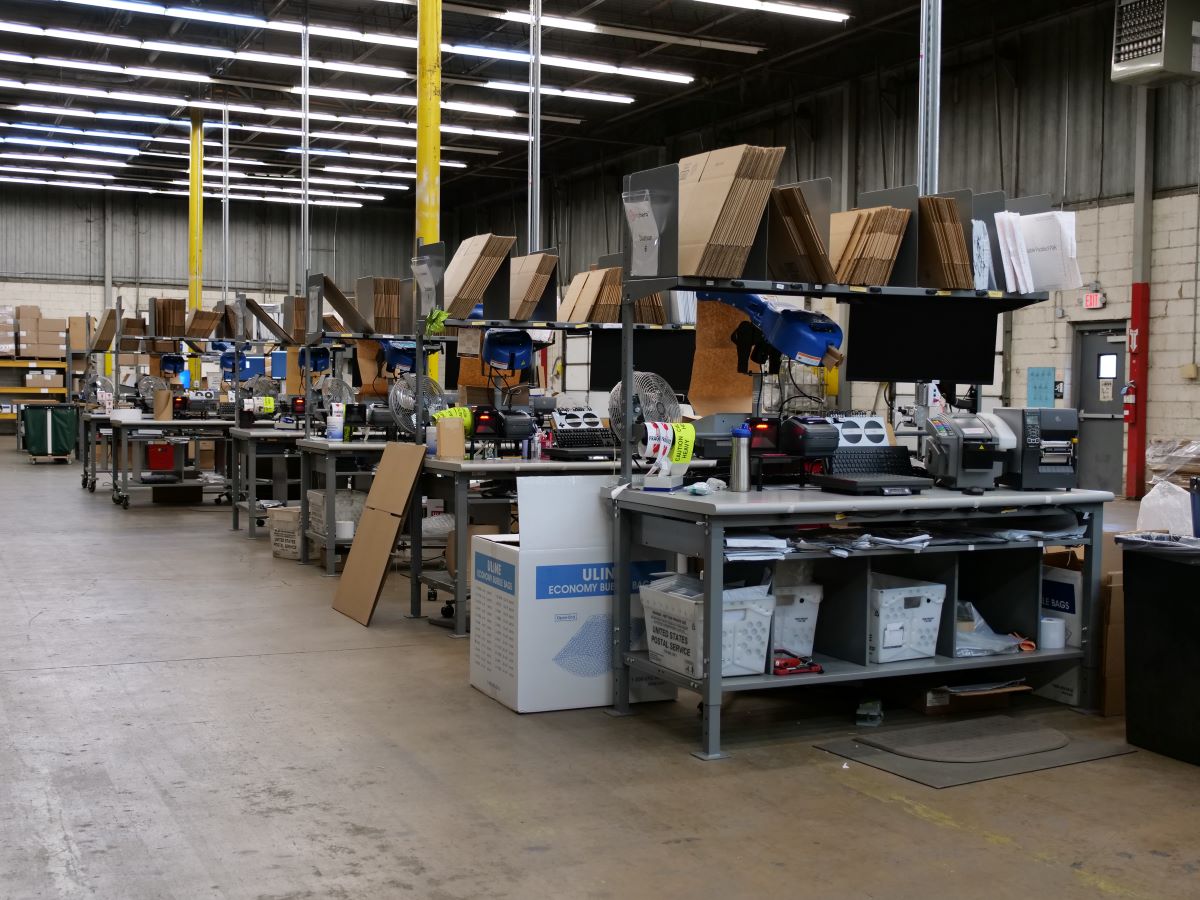
If you've ever wondered how your online orders arrive at your doorstep quickly and efficiently, it's all thanks to the warehouse packing station. Packing stations are the places at the end of your shipment chain where orders are carefully packed and prepared. An effective packing station can reduce your labor costs, shipping expenses, and order errors and helps to meet your customer's satisfaction. It's a well-oiled machine that helps to ensure that your orders arrive on time and in perfect condition. In this blog, we go over the basics of a warehouse packing station and why they’re so important.
A packing station is a space in a warehouse where products are checked, packed, and labeled for shipping. In addition to being ergonomically efficient, it is equipped with all the packing materials necessary within easy reach. And a well-designed packing station can greatly improve the order fulfillment process.
Order fulfillment is only as fast as its slowest function, and packing–often the last stop before shipping–can be a bottleneck. But a well-designed warehouse packing station will ensure a place for everything. Modular and ergonomic packing stations can increase productivity by eliminating the need for workers to bend, reach, or leave the packing area to retrieve supplies.
Packing stations can be outfitted with various accessories. They usually consist of a workbench with shelves or gravity flow tracks designed to store the materials used to prepare orders for packing and shipping. Packing supplies such as boxes, envelopes, packing paper, and tape can be stored on packing stations in easy-to-reach locations. Tools like scanners, scissors, tape measures, utility knives, and tape guns are often organized and hung on the packing station for quick and easy access.
Connecting your packing and shipping areas with a simple gravity conveyor system can reduce bottlenecks and eliminate worker travel time. Thus creating a seamless integration between order picking, packaging, and the loading dock.
When it comes to efficiency, your packing station is key. But all too often, people focus solely on storage when designing their packing workstations. In order to maximize efficiency, your packing station needs to be integrated with the company's warehouse management system. As a result, you will be able to organize the most important packing materials and supplies logically. If you're looking to make your packing station even more efficient, you can do a few things.
A well-organized warehouse is very important for an efficient packing station. A perpetual inventory management system will keep track of stock levels and help avoid surprises. The workstation should be arranged so that all the tasks required to pack a shipment can be carried out smoothly and uninterrupted. It should also be tidy and well-stocked with all the supplies needed to safely and securely pack items for shipment. Creating a lean warehouse will save you time and money in the long run.
The packing process is one of the most important steps in getting products ready for shipping. A well-designed packing workflow can help improve efficiency and reduce errors. When creating a packing workflow, it is important to consider the type of products being packed, the volume of products, and the space available.
Packing stations that deal with high-volume small packages need to be more compact so that the worker has enough space to pack products quickly with all the packing materials within reach. Whereas packing stations that handle large and bulky products need to be spacious and include lifting equipment to help workers pack heavy items. Also, extra space can accommodate automation later on.
We have even gone one step further and included a YouTube video that walks you through the processes that go on at the packing station. You can watch the full video HERE
In a busy warehouse, time is of the essence. That's why it's important to have an efficient system for bringing orders to the packing workstation. Whether it's boxes, totes, skids, carts, or conveyors, the goal is to deliver the orders in batches, so the packer doesn't have to move from his workstation. The delivery system should be located next to the table, and the packer should always be within easy reach of a new order.
Whenever possible, staging systems should be next to the table so the packer can avoid lifting, carrying, and walking the carton to the staging location. The best solutions allow the packer to simply push the packed carton onto the staging area which helps to keep the packing station running smoothly and efficiently.
Remember those old handheld barcode scanners that revolutionized warehouse picking and packing? Well, there's always been a bit of a lag between picking up the scanner, scanning the barcode, and then placing the scanner down to continue working. Maybe it's one or two seconds, but shave those few seconds off every order, and you've accumulated a lot of time.
One of our ShipHeroes found our solution in the gaming community. Xbox® released an adaptive game controller meant for gamers with limited mobility. We discovered that this device could work for packing stations at ShipHero. The cost to make this upgrade is nominal. It’s cheaper than a mobile socket scanner, which most clients use in their warehouses. Not only that, but workers love it because it’s more fun and less time consuming. They literally push buttons, no time is lost scanning or using a mouse and keyboard.
If you're looking to keep your packing operation productive, it's important to frequently observe and upgrade the process as business factors change around it. You can be more accurate and faster with the right combination of processes, equipment, technology, and training. By frequently evaluating the packing process, you can ensure that your operation is always running smoothly.
An efficient warehouse packing station is critical to a successful order fulfillment process. That's because it helps you ship the right goods to your customers quickly and in good condition. It can reduce your labor costs, shipping expenses, and order errors and helps to meet your customer's satisfaction. After all, the success of any eCommerce business comes down to happy customers, and efficient packing stations are necessary to achieve this. Late orders, high shipping fees, and order inaccuracies won’t keep your customers coming back for more. Sometimes, you need a third party with a team of experts to handle the logistics while you focus on growing your business.
This is where a warehouse management solution like ShipHero can help you out. With ShipHero, you can automate your warehouse packing stations and get real-time insights into your fulfillment process so that you can make informed decisions about how to improve your operation. As a result, you can keep your customers happy and grow your business. Contact us today to learn more about how we can help you take your warehouse packing station to the next level!
—
Whether you want to let go of running your own warehouse or run your warehouse better, you can do both – and so much more – with ShipHero.
Click HERE to Schedule a Meeting with Our Sales Team.
Product bundling is one of the oldest retail tricks in the book, and for a good reason. Why go a long way around when you can get multiple products in one easy package? Companies have realized bundling is a great way to offer customers more value for their money and drive up their average order value. Just look at the success of the Happy Meal! The classic combination of a burger, soda, and french fries has been popularized by bundling them together, making it easier than ever to enjoy a complete meal. It may be an old trick, but bundling remains one that businesses everywhere swear by to this day. So what is the meaning of bundling, and how does it benefit business? Well, stay right here and “bundle” up for this blog.
Product bundling is bundling multiple items to get customers to buy them together for one price instead of individually. This bundling gives customers an incentive to purchase more than they normally would at one time, resulting in an extra benefit for businesses. It's also a great way to encourage items that might be overlooked if purchased on their own, boost sales, and combat price-gouging. Bundling can be done through various mediums depending on the industry and the target audience.
Businesses can leverage upsells and cross-sells to move more products while simultaneously providing customers with added value.
Bundling helps you do much more with your existing stock. Let’s look at the advantages of product bundling and how it can benefit your business.
Several different bundling techniques are used to group products:
A mixed bundling strategy involves offering customers the option of buying a bundle as well as the option of buying individual items. Offering mixed bundling at a lower price than if the items were sold separately will incentivize users to purchase the bundle.
Fast food combos are examples of mixed bundling – you can purchase each item individually or as part of the combo for a single price.
Pure bundling refers to grouping products that are only available when sold together.
For example, whenever you purchase cough syrup, you also get a small plastic cup, which you would never buy separately.
When a customer orders multiple of the same product, bundling is a smart way to offer a discount. Customers are encouraged to buy in bulk upfront by same-product bundling, similar to a subscription model.
For example, many direct-to-consumer (DTC) brands that sell essential or personal care products (e.g., toothpaste, paper towels, or hand soap) do well with this bundling strategy.
In addition to being an effective marketing strategy, product bundling is a convenient way to eliminate old, unwanted inventory and make room for new items. Your bottom line can be negatively affected by slow-moving products. So pairing a popular item with a product that isn't performing as well can entice customers with the prospect of a good deal.
For example, bundling a last-season computer mouse with brand-new keyboard is easy because customers need both to use a computer.
When it comes to bundling meaningfully in your eCommerce business, understanding what bundling is and how to integrate bundling into your warehouse management system is key. With bundling strategies like pick kit and build-kit, you can customize how you store and manage the pieces of your bundles or kits.
ShipHero's warehouse management system provides a comprehensive solution for integrating bundling goals into your inventory management strategy, giving you powerful automation tools with one-click integrations and dedicated client support. Put simply, ShipHero is here to make sure that your kits and bundles add up!
Product bundling is one of the oldest and simplest tricks in retail, yet so often overlooked by customers. However, bundling your products can be a powerful way to boost sales, increase customer loyalty, and earn extra revenue - if done right. With bundling, you can create custom product packages tailored to individual customers’ needs and promotions that reward shoppers for bundling multiple items together. In addition, bundling can help draw attention to slow-moving stock or be used for product awareness initiatives.
All these strategies can help to make your store stand out from the crowd and give you an edge in today's competitive market. So why not put bundling at the center of your selling strategy? With these tips in hand, you can create custom bundles that will increase sales, loyalty, and awareness for your store – and, who knows, maybe even earn you an extra buck. Thanks for reading!
—
Whether you want to let go of running your own warehouse or run your warehouse better, you can do both – and so much more – with ShipHero.
Click HERE to Schedule a Meeting with Our Sales Team.
A lot goes on in a warehouse beyond just shelving products and loading them onto trucks. One important process is order picking, which happens when employees select the items that go into order. It's an essential part of making sure customers get the products they need, and it's a job that takes precision and care. In this blog post, we'll take a closer look at what order picking is and some of the factors that go into it. We'll also explore how technology changes how orders are picked in warehouses today.
Order picking is the crucial activity that pulls individual items from a fulfillment center to create an order. It's a labor-intensive and costly operation that accounts for over 50% of total warehouse costs—so it pays off to get picking right! That being said, with customer satisfaction, business reputation, and profitability all hanging in the balance, managing picking operations effectively can be no laughing matter.
When it comes to picking in the warehouse, there are several picking methods to consider. The four top picking strategies for order picking are batch picking, zone picking, discrete picking, and wave picking. All four strategies have advantages and strategies tailored to optimize performance and reduce bottlenecks at different supply chain stages.
Many different order picking methods can be used in a warehouse, but batch picking is often the best option when fulfilling multiple orders that use the same SKUs. This way, pickers only have to travel once to a location for a SKU to fulfill multiple customer orders. Batch picking aims to improve productivity as it reduces repeated trips, steps, and time. In addition, it is often more accurate than other picking methods since pickers are less likely to make mistakes when picking items for multiple orders simultaneously.
Zone picking is an order picking method used in warehouses where pickers are each assigned to a physical area, or zone, of the warehouse. It is only responsible for picking the SKUs from that area. This strategy is often used for complex or multi-item orders to improve efficiency. To fulfill customers’ orders, the picker(s) assigned to a zone is responsible for picking all the SKUs from that zone.
This means if an order has items in another zone, a different picker will pick that portion of the order, working like an assembly line. Zone picking is best suited for warehouses that fulfill complicated orders with many units or at least a combination of complicated and simple orders. The warehouse itself must be organized and optimized to make this model work. An order picking method like this can help save time and money while improving accuracy and order fulfillment rates.
Wave picking leverages scheduling windows to group and prioritize orders based on time and importance. This picking method is a variation of zone or batch picking that is best for warehouses with large numbers of SKUs. Rather than picking orders chronologically, wave picking allows businesses to evaluate all orders together to determine an optimal picking strategy. By considering factors such as labor, delivery times, and ship dates, businesses can ensure that orders are fulfilled promptly and efficiently. This picking method is ideal for businesses that must quickly and efficiently fulfill many orders.
If you're running a small business with limited SKUs, piece picking or discrete picking is the way to go. This picking strategy refers to when a picker works on one order at a time, retrieving all the necessary SKUs before moving on to the next order. This method is best for small businesses with low SKU counts and/or small warehouses or storage facilities.
While piece picking requires a lot more movement than other picking strategies, it makes sense to use it until a business hits a certain scale that warrants one of the picking methods above. This strategy makes it easy to track order picker accuracy and enables rapid response time for order fulfillment.
Warehouses are a critical part of the supply chain, and optimizing them can significantly impact your business. There are many factors to consider when optimizing your warehouse, from the layout of your storage shelves to the route your picking staff takes. Introducing new technologies can also help to optimize your warehouse, such as automated order picking systems. By constantly evaluating and improving your warehouse operations, you can ensure that your business is as efficient and effective as possible.
Some of the benefits of doing this include increased accuracy and productivity, multi-language capabilities, reduction of data entry errors, improved safety through hand and eye-free technology operation, and increased availability of picker time.
Nothing is more frustrating than searching through a warehouse for a particular item. That's why it's important to have a good picking strategy in place. The best strategies minimize picking times by making the most frequently picked items more accessible. Doing so will save time and money in the long run.
Implementing warehouse management software can improve picking methods and picking in the warehouse. This allows your team to pick and pack more in the same amount of time and train recruits faster. ShipHero’s Warehouse Management System simplifies eCommerce picking, packing, and shipping. By auto-generating pick lists, accurately displaying product availability, providing real-time insight into order status, forecasting when to replenish inventory through reorder point notifications, and even assisting with planning staff labor, a WMS like ShipHero can take your warehouse to the next level.
If you're looking for ways to improve picking methods in the warehouse, you'll need to invest in the right tools and equipment. There are many types of picking carts available, each with its own benefits. For example, some picking carts are designed for conveyor systems, while others are specifically for barcodes and inventory scanners. But no matter what picking system you use, the most important thing is ensuring you have the right equipment for the job.
If you're running a warehouse, keeping track of your productivity is important. You need to know how long it takes to ship an order, how many units are in storage, and how accurate your pickers are. You should also monitor your inventory turnover and average warehouse capacity used. By understanding these metrics, you can help your pickers be more productive.
For example, suppose you know that it takes your pickers an average of two minutes to find a unit in storage. In that case, you can improve their productivity by ensuring that the units are stored in a more easily accessible location to them.
Warehouse picking is selecting individual items from a fulfillment center to fill customers' orders. It might not sound glamorous, but it's essential for any e-commerce or retail business that wants to thrive. That's because picking directly impacts customer satisfaction, business reputation, and profitability. In other words, your business will likely suffer if your picking operation isn't running smoothly. So how can you optimize your picking operation and ensure it runs like a well-oiled machine? Following these tips ensures that your picking operation is efficient, accurate, and cost-effective.
As anyone who has ever worked in a warehouse knows, picking is one of the most important, and also one of the most tedious, tasks. It's also crucial to the success of any eCommerce business. That's why ShipHero created a Warehouse Management System (WMS) specifically designed to make picking faster, easier, and more accurate. Our barcode scanning system cuts error rates by 99.9%, and our built-in reporting features cover everything from COGS to Picker/Packer Efficiency to Replenishment. Best of all, ShipHero is easy to use and integrate, so you can be up and running in no time. So if you're looking for a picking solution that will save you time and money, ShipHero is the answer.
—
Whether you want to let go of running your own warehouse or run your warehouse better, you can do both – and so much more – with ShipHero.
Click HERE to Schedule a Meeting with Our Sales Team.
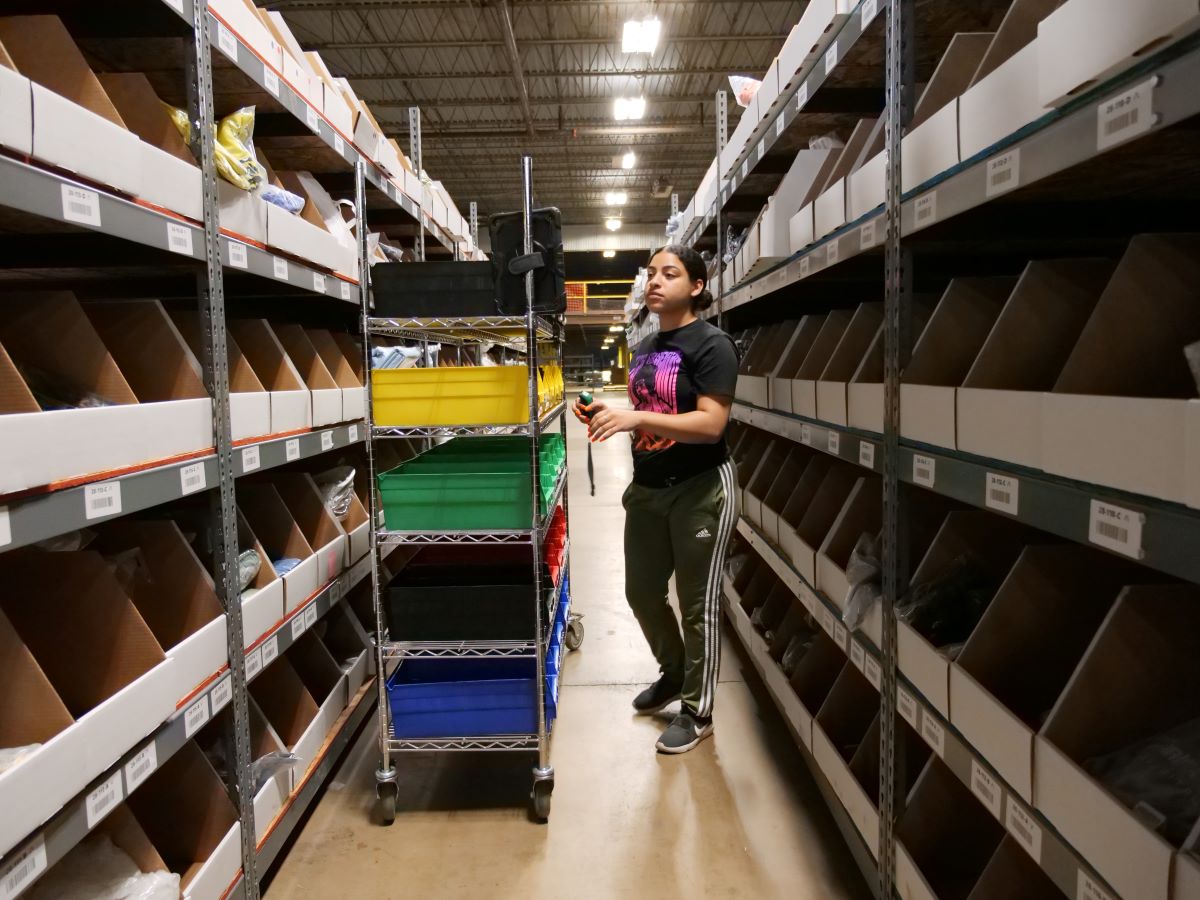
Maintaining an organized warehouse and storage area is a fundamental element for any company, especially when handling substantial quantities of material. This article will delve into the sequence of methods that will optimize your warehouse bin storage system, with a focus on layout, shelving, aisles, and more.
A warehouse bin storage system is a method of arranging inventory in specific spaces within a warehouse, aiding in efficient inventory management. Correct identification and labeling bin warehouse systems play a vital role in preventing errors and make it easier for your team to search for items in your own warehouse management system. Discover more about warehouse bin storage systems here.
The layout of storage rooms in your warehouse, including the floor space planning, directly impacts the efficiency of your operations. Well-organized aisles, zones, and areas, marked with clear arrows, ensure a smooth pick path for workers. The use of devices like a phone for material tracking can also enhance the effectiveness of your layout, improving service for customers. Since there are 6 different types of warehouses, it’s important to factor in that bin layouts vastly differ from one another.
Adopting a consistent naming convention and labeling system is crucial. A common method includes a combination of letters and characters to denote different elements, such as racks, shelves, and bins. Additionally, a location numbering scheme can be implemented to ease and further streamline the inventory process. A properly maintained warehouse labeling system can greatly reduce errors and confusion among workers.
The right inventory management software and system can revolutionize your store and warehouse operations. Tools like Shiphero can help manage your stores efficiently by providing real-time inventory updates, enabling you to position your inventory in the most effective way.
Zones and aisles in your warehouse design should be designed with the flow of people and materials in mind. Effective sequencing of these areas in your warehouse layout can help minimize unnecessary movements and maximize efficiency.
Warehouse labeling and identification are not just about sticking names to bins. They are about creating a system where every position of available space, every unit, every rack, and every shelf has a unique identifier. This system aids workers in quickly finding and storing items, reducing errors and boosting customer satisfaction.
Automated Storage and Retrieval Systems (AS/RS) are computer-controlled systems that can significantly improve the efficiency of bin storage systems. They are designed to increase the speed of retrieval, decrease manual labor, and minimize human error at rates. Besides, automated systems can help optimize warehouse space due to their ability to support higher and denser storage.
Inventory turnover rate is a metric that shows the number of times a business has sold and replaced inventory during a specific period. A high turnover rate indicates effective selling and replenishing. This means less capital tied up and reduced storage costs. A well-organized bin storage system can significantly increase this rate by ensuring faster retrieval times and reducing instances of misplaced items.
Seasonal demands can cause fluctuations in inventory volumes in warehouses. An optimized bin storage system should have a flexible layout that can be easily reconfigured. During peak seasons, your ideal warehouse layout should be able to accommodate larger inventories without compromising on organization or retrieval times.
Certain items, like perishable foods or sensitive electronic components, need specific temperature conditions to maintain their quality. Temperature-controlled areas can be included in optimized bin storage systems. Advanced systems can even offer varying temperature zones within the same warehouse floor.
An environmentally friendly warehouse is a critical requirement in today's world. Using recyclable bins, optimizing energy usage, and incorporating natural light where possible are ways to make your bin storage system more sustainable. Additionally, an efficient warehouse layout optimization minimizes unnecessary movements, thereby saving energy.
Compliance with safety and inventory management regulations is crucial for maintaining your warehouse's credibility. This includes guidelines for stacking height, aisle width, and hazardous material handling equipment storage, among others. An optimized bin storage system ensures these regulations are met, thereby reducing the risk of legal issues.
A wide range of warehouse management software is available today that can help manage your bin storage system more efficiently. The features include real-time inventory tracking, automated data collection, and advanced analytics that provide insights into warehouse operations.
Despite having an optimized bin storage system, it won't be effective unless your staff is well-trained in how to use it properly. Regular training ensures that all employees are familiar with the system, can locate items quickly, and know how to handle any issues that may arise. This not only enhances efficiency but also improves workplace safety.
The best warehouses put safety first. Clear aisles and effective labels help reduce accidents. Warehouse signs can highlight hazards, while safety training teaches staff to handle materials correctly. So, your warehouse becomes a safe place to work, not just an efficient one.
Efficient warehouses use the right technology. Adding RFID tags, barcode scanners, and warehouse management software (WMS) to your setup boosts real-time tracking and cuts down errors. To make these tech tools work, staff need training—a step you can't skip.
You need well-trained staff for a top-notch warehouse. Regular move reviews and training updates on the storage system, new tech, and safety processes are vital. So, if your staff knows their stuff, your entire warehouse will work better.
A smart, efficient warehouse layout design does more than just organize and keep things smooth—it saves money. Fewer unnecessary movements mean less time wasted, and fewer errors mean less money spent on fixing them. It's the secret to running a warehouse that's cost-effective, not just operational.
You can't forget about regular audits. They check that everything's working as it should and spot areas for improvement. With regular audits, your whole warehouse operation will always be at its best, delivering top efficiency and productivity all the time.
Group your items based on their traits, such as size, weight, and how often they're used in existing warehouses. The ABC analysis is your best friend here. 'A' items are popular, 'B' items are less so, and 'C' items are the wallflowers. The outcome? Picking processes are streamlined, and workers cut down on their cardio in the warehouse.
Think of usage patterns. Your fast-moving items should be neighbors with the dispatch areas, slashing retrieval times. Meanwhile, slow movers can chill in the less accessible spots. This "product slotting" tactic ensures every inch of your warehouse floor plan works hard and your productivity is on point.
Labels on your bin locations are the tour guides of your warehouse. Workers find items quicker when labels on storage bins are readable and packed with info such as product name, SKU, and bin location. So, time spent on the "Where's Waldo" of items? Significantly reduced.
Don't ignore your vertical wall space - it's a hidden gem of storage space and capacity. Stack those bins and use taller storage units. But remember, safety first - no heavy or oft-used items in the stratosphere.
Design your bin rows' layout to put Usain Bolt to shame - minimize travel time. A method to swear by is the "fishbone" aisle design, a straight-line path perfect for item retrieval.
Bigger isn't always better. Choose the right bin for your items. Some items need bins with dividers; others demand larger, robust bins. The right bin not only keeps your items snug and safe but makes accessing them a breeze.With these elements, you're on track to add up to a bin storage system that takes your warehouse layout from good to great.
Every company has a reason to keep their warehouse organized. Whether it's for inventory system efficiency, error reduction, or simply to maintain a well-organized warehouse, implementing these best practices can enhance your operations. A well-structured warehouse layout design, consistent naming conventions, and easy and effective labeling systems all contribute to a more efficient and productive warehouse.
—
Whether you want to let go of running your warehouse or run your warehouse better, you can do both – and so much more – with ShipHero.
Click HERE to Schedule a Meeting with Our Sales Team.
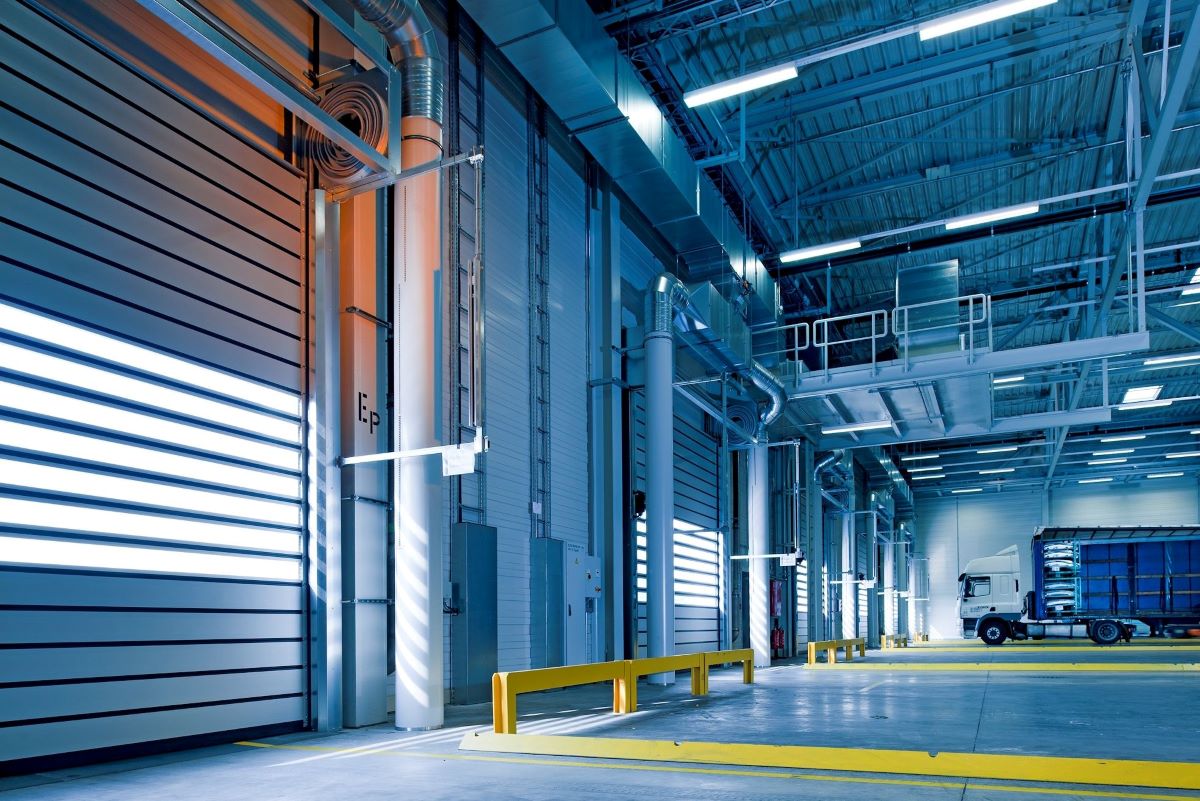
Do you know how to select the right warehouse for your business and maximize savings? Warehousing is a necessary component of the customer journey and can be interpreted as an investment. If you're looking to save on costs and boost your productivity, know that a well-run warehouse can give you better control over your inventory and ensure customers receive their orders on time.
But when it comes to selecting the right warehouse for your business, no one size fits all, so you need to consider factors such as proximity to suppliers and customers, cost optimization, technological capabilities, space utilization, and scalability, to name a few. With careful planning – which often requires help from external logistics specialists – you'll have more success determining the right warehouse for your needs.
How to select the right warehouse location for your business can be quite a puzzle. You want to find one close to major highways, convenient for customers, employees, suppliers, and vendors— yet cost remains a key factor. Do you opt for the warehouse near a densely populated area or the one further away with cheaper real estate? And don't forget about labor costs—will you be able to find qualified staff in this location? Luckily, you have all the tools at hand to solve this logistics riddle of success!
Before you can assume your spot as an industry titan, you must understand where your potential and current customers are. Ask yourself the tough questions: Do our sales primarily target people within a specific region? Are we selling all over the world? Taking an inventory of the customer landscape is vital for maximizing efficiency—setting up a shop near your customers helps keep transportation costs down, streamlines delivery, and saves resources in the long run. Ready, set, map!
When selecting the ideal location for a warehouse, the cost is always at the top of the list. But to get a true sense of value for money, it's essential not to overlook hidden charges — a factor that can offset any savings you make on cheaper rental rates.
Luckily, there's more than meets the eye when making your decision; tax structure and incentives are also vital considerations. Certain areas may be subject to special government programs designed to boost particular industries. All in all, weighing up all this information is an absolute must if you're looking to get the most bang for your buck!
Whether you're growing or shrinking, it pays to do your research to avoid making a potentially costly mistake. When planning your move, remember to factor in all the utilities necessary for smooth operation: electricity, water, and sewage are standard, but what about the internet? Before you move, double-check the availability and cost of the internet; after all, fast and reliable service is essential in this day and age!
Choosing a suitable warehouse building for your business requires a lot of thought and consideration; after all, it might be challenging to adjust specific equipment to an old building that cannot sustain a proper flow of raw materials. It could also result in needing to modify an existing warehouse and that could lead to additional costs.
Thinking about ceiling heights, column spacing, and other factors is key in ensuring that you will avoid any issues with inward and outward flows. Do you sell perishables that need to be refrigerated? Be sure to look at refrigerated warehouses to ensure frozen or perishable goods are stored correctly and arrive in top condition!
To guarantee your buildings are fit-for-purpose, put as much time and effort into the structural planning as you would the other aspects of planning - otherwise, you may discover too late that essential elements have been missed or overlooked.
Despite the great potential for cost savings, it's important to remember that workforce availability means more than hiring bodies at low wages. You must look at the big picture regarding supply and demand and consider whether these workers have the desired skills to meet your business's needs. If not, you could find yourself with a team lacking in drive to give your customers the service they deserve while wondering how much money you wasted in the process.
Regarding transportation costs, there's a lot to consider – from where your business is located in relation to roads, highways, and airports to the volume of local traffic. If trucking is your primary mode of getting products around, accessibility and easy access are key. It pays well then to be mindful of proximity when selecting warehousing facilities - ideally as close as possible to the airports, railway stations, and ports for maximum drayage cost control and high-velocity levels.
When considering an optimal location for a new warehouse, you'd be wise to look at two key factors: proximity to major suppliers, producers, and/or customers, plus local environmental considerations. Logistics pros and cons can quickly outweigh each other based on these locality choices, so getting it right is vital.
Make sure you pay attention to weather risks just because the building looks great - would you want a hurricane tearing through your new facility? When it comes to markets and local environmental factors, go the extra mile in your due diligence!
It takes significant research and internal evaluation of company priorities to select the correct warehouse. Here are some considerations to keep in mind when choosing your next warehouse.
It is not uncommon for warehouse features to be as unique as the inventory. Ensure your warehouse has everything you need for storing your products, like dock doors, levelers, fire suppression systems, refrigeration or air conditioning, power requirements, and floor loading capabilities.
Typically, warehouses are not equipped with technology before leasing or purchasing; the tenant's needs determine it.
When selecting a warehouse, consider the following questions related to warehousing technology:
The COVID-19 pandemic clearly illustrates that eCommerce services need to be more flexible. It would help if you chose a warehouse that will be flexible enough to expand and meet the logistics requirements of the future (and those of your customers).
With eCommerce playing a more significant role in the consumer market than ever, an efficient warehouse solution is essential. Don't just click and go when selecting your warehouse logistics; read up on implementation strategies, scalability potential, and reporting capabilities for that extra peace of mind. After all, your warehouse may be the basis for your eCommerce business, so don't view it as an afterthought - treat it with respect! Pick the best service that fits your future goals and overall branding strategy, and watch it become the groundwork for success. Don't let yourself be overwhelmed by making hasty decisions; take time to find what fits you best.
—
Whether you want to let go of running your own warehouse or run your warehouse better, you can do both – and so much more – with ShipHero.
Click HERE to Schedule a Meeting with Our Sales Team.

It's that time of year again! The leaves are changing, the air is getting crisp, and eCommerce and 3PL businesses worldwide are preparing for peak season. For many of us, peak season is both the most wonderful and most stressful time of the year. That's why we've brought in our resident peak expert, Alex from ShipHero, to share some wisdom on how to make it through peak season without losing your mind. From personal experience, Alex can attest that peak can often be a bit of a "wild west," but having a peak plan in place helps to keep things under control. So tune in for some peak wisdom and maybe a horror story! It's all happening on this episode of PalletSide Chat.
As peak season approaches, you may feel like a football coach preparing for the big game. But instead of designing plays, you're strategizing how to navigate the influx of shipments and rising freight rates. It's no wonder peak season is often referred to as the Super Bowl of logistics. Between mid-August and Thanksgiving, markets see high demand and increased goods on the road. And while we might spend all year optimizing our supply chain processes, peak season can still bring significant challenges for retailers and those managing logistics. So buckle up because peak season is officially here.
As any online business owner knows, peak season can make or break your year. That's why it's important to start preparing as early as possible - analyzing past inventory levels and sales numbers to forecast volume accurately and determine staffing needs. Trust us - we know from experience the mayhem that can happen during peak. Parking lot overflowing, surprise visits from the fire inspector, and throw in a visit from the USPS guy, and you've got the perfect storm (just ask Alex!). But having a plan in place, including cross-trained staff ready to handle any task thrown at them, will set you up for success during this chaotic time. Prepping for peak season may take extra effort and forethought, but trust us - it's worth it in the long run.
Alex understands navigating peak season can be a headache for their clients. So, he strives to make it feel like an in-house operation without stress. Overcoming operational challenges is critical, and he prioritizes communication to understand each brand's needs and timelines. For all of One23 Fulfillment's clients, his ultimate goal is to ensure a smooth and successful experience.
Even with the best-laid plans, things can still go wrong—and they often do during peak season. Operational challenges can still arise during peak, even with clear communication and solid preparation. That's why you need a strategy for overcoming any bumps in the road, whether it's longer-than-expected lead times from vendors or unexpected employee absences. It's important to know how to anticipate and adapt to any situation that might come your way.
Let's face it - the warehouse is a total madhouse during peak seasons. Orders are flying in left and right, and the team's main priority is getting them out as fast and accurately as possible. However, that doesn't mean your customers should be left to wait for solutions to their potential problems.
Alex recognizes the importance of providing excellent customer service even during the busiest times. That's why he decided to have a few team members whose sole focus is ensuring their clients and customers receive quick responses to their inquiries and swift resolutions to any issues that arise. Customer satisfaction is at the heart of success, so it's essential to prioritize it no matter how hectic things get.
Building a great team is crucial for success during peak season, but it's important to remember that your team needs motivation all year round. As a business owner, it's important to filter through employees and build a group of dedicated individuals who are excited about the challenge peak brings.
Keeping an enjoyable work environment with perks like music in the warehouse and a family-friendly atmosphere helps keep morale high and boosts loyalty among employees. It's also important to ensure your team understands their role's importance during peak season and knows what to expect regarding increased workload. You'll be fully prepared for peak season successes by maintaining a motivated team throughout the year.
As Alex so eloquently stated, peak season success boils down to a simple concept: just be a decent human being. Sounds easy enough, right? But there's a catch - the devil is in the details. So, treat your colleagues, partners, and customers with kindness and respect. Be sure to start prepping for the high volume before peak season - stay organized and proactive throughout the year. And when things inevitably become chaotic - take a deep breath, grab a cup of coffee, and remember that it will all be over soon.
Together, we can conquer peak like pros! Reach out with questions and feedback at podcast@shiphero.com. Happy peak season!
–
About the Hosts: As VP of marketing, Dan Van Meer is always on the go. From overseeing project management and data analytics, he has his hands in a little bit of everything. Most importantly, he ensures that all creative work - from graphic design to digital marketing - is high quality and on-brand. Co-host Alex Lewkowict is quite the renaissance man. He's been an adolescent entrepreneur, successful CEO, and Founder of a men's skincare line, and he created One23 Fulfillment. Did we mention he made the Forbes 30 under 30 list?
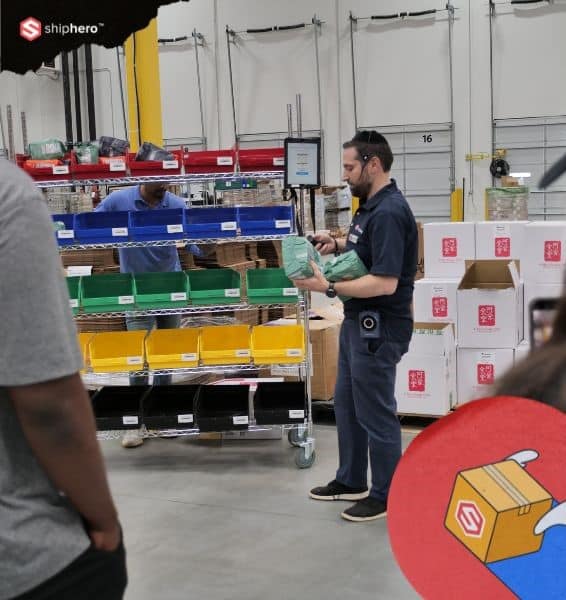
Peak season is here, and ShipHero is here to help you through it! Our ShipHEROs at the warehouses are moving at light speed to keep up with demand. We wanted to check in and give you an update on some early trends that we’ve spotted.
Due to the fact that the ocean container peak season is from July through September, we can gauge the way other transportation peaks will function during the remainder of the holiday season. Because of this estimation, FreightWaves says, with certainty, that the rest of the season will be incredibly weak. The effects of the Coronavirus have been far-reaching, and peak season is no exception. We've seen a significant decrease in demand for all modes of transportation. As a result, peak season shipments are expected to be down significantly this year.
There's a little something extra in the air... deflation! That's right, prices are falling during the shipping peak season in 2022. Rates dropped early this year, but in May, they began falling dramatically – presumably because of lowered demand due to inflation and the Shanghai lockdown limiting the availability of goods.
The dramatic drop of May-June has slowed, moving into a leveling-off, but we have yet to see the spike we normally see this time of year.
One factor that has contributed to this trend is falling demand. Retailers report that shoppers are simply buying less than they have in previous years. Another factor is advance orders. Many retailers have already filled their holiday inventory based on advance orders from suppliers, so they may not need to order as much during the peak season.
However, this trend doesn’t apply close to home. National and regional U.S. carriers have still instituted carrier and gas surcharges to keep up with the extra domestic demand they see during peak.
It's the peak season for shipping, but carriers struggle to keep up with the demand. Rather than the traditional busy peak season, this year has been marked by falling demand and congestion. Excess inventory has meant more congestion than ever, at least in the short term: since new inventory has been arriving before old inventory has emptied, warehouse space is tight.
Containers continue clogging up ports as they wait for a place to go. Retailers have all of the products they need in their distribution networks for the holidays (and then some), so there won’t be a lot of freight demand as we head into the last month of the year. As a result, carriers struggle to keep up with the seasonal shipping trends.
The current situation for freight carriers can be best summed up with one word: peaky. While peak season is typically a time of high demand and increased congestion, this year has been anything but typical. Retailers were carrying bloated inventories and focused on burning them down, which meant fewer load opportunities for carriers. And with firms getting more nervous about the broader economy heading into 2023, there is little incentive to replenish inventories. This could mean more disruptions to seasonal shipping trends and carrier updates in the coming months.
Contract rates may not be falling as quickly as spot rates, but that doesn't mean businesses are ready to give up their contracts. Many companies are splitting their shipments, using spot rates for some goods while retaining contracts for others. This strategy allows businesses to take advantage of lower rates without sacrificing the stability of a long-term contract.
While ocean spot rates and imports have declined sharply this year, contract rates have remained relatively steady. This makes sense when you consider that peak season typically begins in the year’s second half. So even though spot rates are lower than they were a few months ago, businesses are still willing to pay a premium for the predictability of a long-term contract.
The ongoing Covid-19 pandemic has wreaked havoc on the global economy, and the peak shopping season is about to get even more chaotic. According to reports, China is considering lifting its zero-Covid policy to keep peak season on track. However, this could lead to even more disruption as merchants worldwide scramble to get their orders in. If the restrictions are lifted, manufacturers could be overwhelmed by the sudden surge in demand, leading to product shortages and delays. However, if things stay as they are, sellers could be left dealing with serious shortages during high demand.
1. The only thing you can be certain of is that things will keep changing and developing. There are many moving parts, and things can change quickly, so it's important to stay as informed as possible. This might mean choosing an industry-informed blog to check every couple of days or getting push alerts about the situation sent to your phone. It's hard to account for changes and developments you don't know are happening.
2. While the holiday rush can be a boom for sales, it can also be stressful if you're not prepared. Fortunately, demand forecasting can help take some guesswork out of holiday planning. By looking at historical sales data, retailers can get a good idea of how much customer demand there will be for their products or services during the holidays. Demand forecasting can then use this information to plan inventory and production levels so that businesses can meet customer demand during the peak season.
3. As peak season marches on, many retailers feel the pressure. Will they have enough inventory to meet customer demand? Will their suppliers be able to keep up with orders? These are valid concerns, but sourcing products from local manufacturers is one way to help shield yourself from supply chain shocks.
Of course, no manufacturer is immune from issues, but if you're sourcing products from within your own country, you're more likely to be shielded from international disruptions. And if your manufacturer runs into difficulties, only a small portion of your intended selling range will likely be affected. So, explore local manufacturing options for your peak season needs - it's good for the environment and can help you avoid potential disasters down the road.
It's been a long, hard road for everyone in the manufacturing, shipping, and e-commerce industries since the Covid-19 pandemic hit. And unfortunately, there's still no end in sight. Every year brings new challenges and uncertainties, making it difficult to predict whether things will get better or worse. However, there is one thing sellers and freighters can do to help ensure they're operating on the best possible information: stay up to date on the latest industry news. This way, they can be ready for whatever peak season throws their way. With determination and a commitment to keeping informed, sellers and freighters can weather any storm. After all, we've been through a lot these past few years. But together, we'll make it through to the other side.
Peak season is here, and ShipHero wants to help you get through it with only a few scratches! We have everything you need to ensure it goes smoothly. With important updates, notifications, and general advice, you can be sure that you're rocking peak season in 2022.
Stay informed during Peak by following ShipHero on LinkedIn and subscribing to our newest blogs and updates.

Aaron Rubin, Founder & CEO
ShipHero
About the author: Aaron Rubin is the Founder & CEO of ShipHero. He is responsible for planning and executing the overall vision and strategy of the organization. Rubin’s greatest strengths are leadership, change management, strategic planning, and a passion for progression. He is known for having his finger on the pulse of ShipHero’s significant initiatives, entrepreneurial spirit, and keen business acumen. His leadership of ShipHero is grounded in providing excellent customer service that drives improved business operations. His passion for ShipHero comes from the culture and his ability to impact the lives of employees, customers, partners, and investors.
.jpg)
Warehouse automation is the use of technology to improve and optimize the handling of goods in a warehouse. It can refer to the use of robotics and conveyor belts, improved picking and packing, or installing applications that can predict the most efficient routes and delivery schedules for each package.
The goal of warehouse automation is to improve accuracy, speed and efficiency in the warehouse and cut down on operational costs in the process. Read on for an overview of the different types of automation, the benefits they offer, and some best practices to keep in mind.
Warehouse automation involves finding labor-intensive and repetitive tasks related to receiving, storing and moving inventory in a warehouse and creating systems that reduce the need for manual labor and data entry.
Some examples of warehouse automation include conveyors and sortation systems and shuttle systems that utilize mobile robots to retrieve and deliver products across different levels. However, modern warehouse automation is not limited to robotics. One of the most popular and practical ways to employ automation in the warehouse is with a warehouse management system (WMS), a software that allows warehouse managers to monitor things like inventory levels, workers' schedules, productivity, the order fulfillment process, and delivery schedules in real-time from one central dashboard.
Warehouse automation works by combining warehouse automation software systems, robotic systems and artificial intelligence to simplify complex tasks and improve speed and efficiency on the warehouse floor. The goal, ultimately, is to meet customer demand and achieve customer satisfaction and retention. After all, in this fast-paced world where people expect to receive their packages in a matter of days, the businesses that can prepare and deliver their products the fastest retain more customers.
Most businesses start with warehouse management systems first. Eventually, they integrate their chosen systems with other tools so they can manage a wide range of tasks. There are several different categories of warehouse automation, including:
The following warehouse processes can be improved by automation:
There are many different types of warehouse automation technology, each with unique benefits, including:
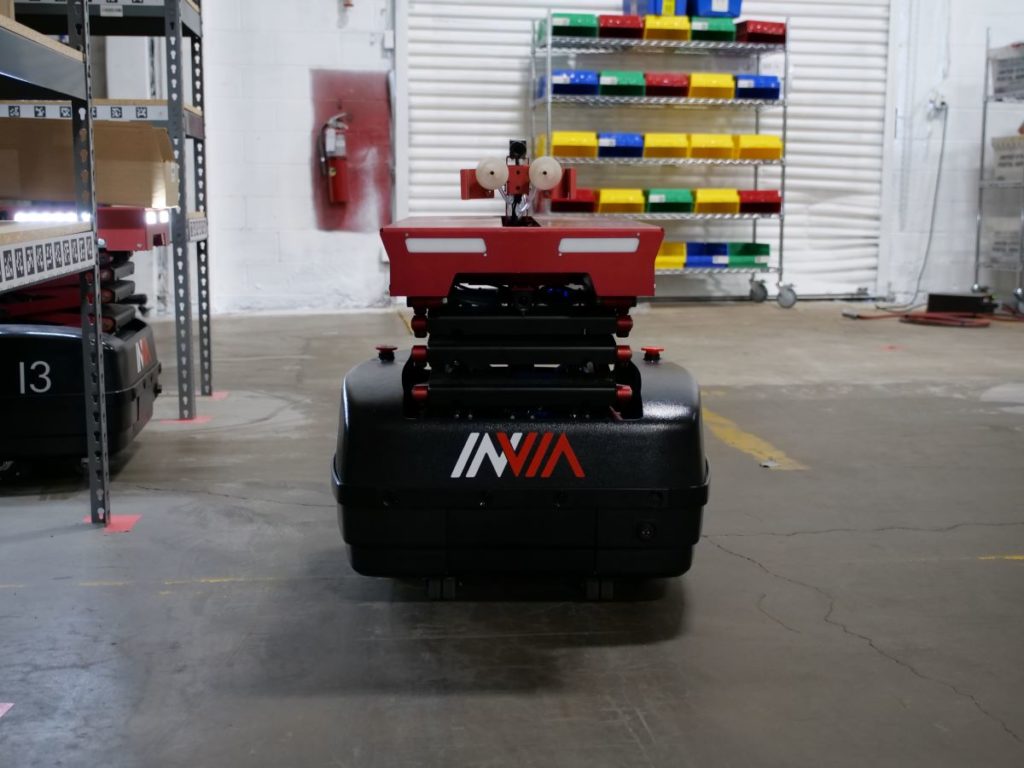
You should automate your warehouse when you find yourself struggling with the following:
The aforementioned issues in your warehouse performance can all be traced back to manual processing. Though you may feel that you should get by with tried and tested methods, oftentimes, outdated processes can no longer keep up with the demands of the modern world. In turn, you experience delays and errors that don't just hassle your workers but tarnish your reputation as a reliable business or service provider.
If you need more reasons to make the switch to warehouse automation systems, consider the following benefits:
Automation is a game-changing technology that will help you reduce operational costs and make your business more efficient. This is done by eliminating human error and giving workers more time to focus on more important tasks.
Even amid a labor shortage, you can maintain a lean team of warehouse workers by equipping them with tools and processes to make their jobs easier. When tasks require less time and effort to complete, workers can do more in a day. On top of this, warehouse automation can reduce safety risks associated with workers rushing, and, as a result, keep workers healthy and happy.
When you can monitor your products' every movement, you can reduce the risk of losing and misplacing items as well as relay accurate information to your customers. This helps to improve customer service and satisfaction as well.
A lot of warehouse space goes underutilized. By implementing autonomous vehicles and conveyor systems, you can improve the flow of operations in your warehouse and allocate more space for new products, workstations, and the like.
When you can create more efficient workflows, you end up using less energy to keep your facilities up and running. You also minimize wastage, take up less space to run your operations, and lower your operating costs.
As helpful as warehouse automation systems are in streamlining operations, they also come with some considerable implementation costs. You'll have to be prepared to cover the upfront costs of installing machines and software applications, as well as onboarding all your staff. Maintenance and repairs of your robotics and other equipment may also put a dent in your budget, stall your operations for a few hours and cause delays in processing orders.
To prepare yourself for a warehouse automation solution, follow these steps:
What do you want to get out of implementing automation? Make a timeline of milestones you want to reach, KPIs to measure, and business goals you want to accomplish by adopting automation for your business.
Get in touch with all relevant stakeholders, including your operations managers and engineers. You'll want to know what your warehouse's capabilities are, what challenges you face and what areas can be improved by introducing new technology. This step will help you identify what kinds of systems will work best for you.
Inventory control is a crucial and necessary component of warehouse operations. Before introducing automation into your business, make sure to review and rectify all standard operating procedures related to inventory management, including purchasing materials from vendors, receiving shipments and measuring customer satisfaction.
A warehouse management system is a software used for monitoring and managing inventory levels, warehouse team productivity, order fulfillment progress and shipping progress. These systems provide managers with real-time updates on the warehouse and their employees' work performance, as well as important data that can aid them in making more informed business decisions!
Now, it's time to put all the information you've gathered and figure out the best warehouse solutions for you. Make sure the automation systems you choose align with your customers' demands and your business goals.
To make the most out of your warehouse automation systems, make sure to keep the following warehouse automation trends and best practices in mind:
The cost of automating a warehouse depends on the size and complexity of the project. Generally, though, warehouse automation can cost anywhere between several thousand to millions of dollars.
Warehouse automation technology is a great way to improve your warehouse operations. By automating tasks such as order picking, packing, and shipping, you can save time and money while improving your accuracy and efficiency. We’ve outlined the different types of warehouse automation technology and how to automate your warehouse in this post.
You can start automating your warehouse by implementing a warehouse management system.
Warehouses utilize a wide variety of technologies to automate and streamline tasks, including conveyors, shuttles, voice recognition software, autonomous robots, drones, and smart devices.
There is no telling when all warehouses will become fully automated. While the world's first fully-automated warehouse was introduced in China in 2021, a report showed that over 80 percent of warehouses today do not use any kind of automation at all.



.svg)