
.svg)

Different warehouses serve different purposes in a supply chain. Read this article to learn about the 6 most popular warehouse types and find the best one for your business
.svg)
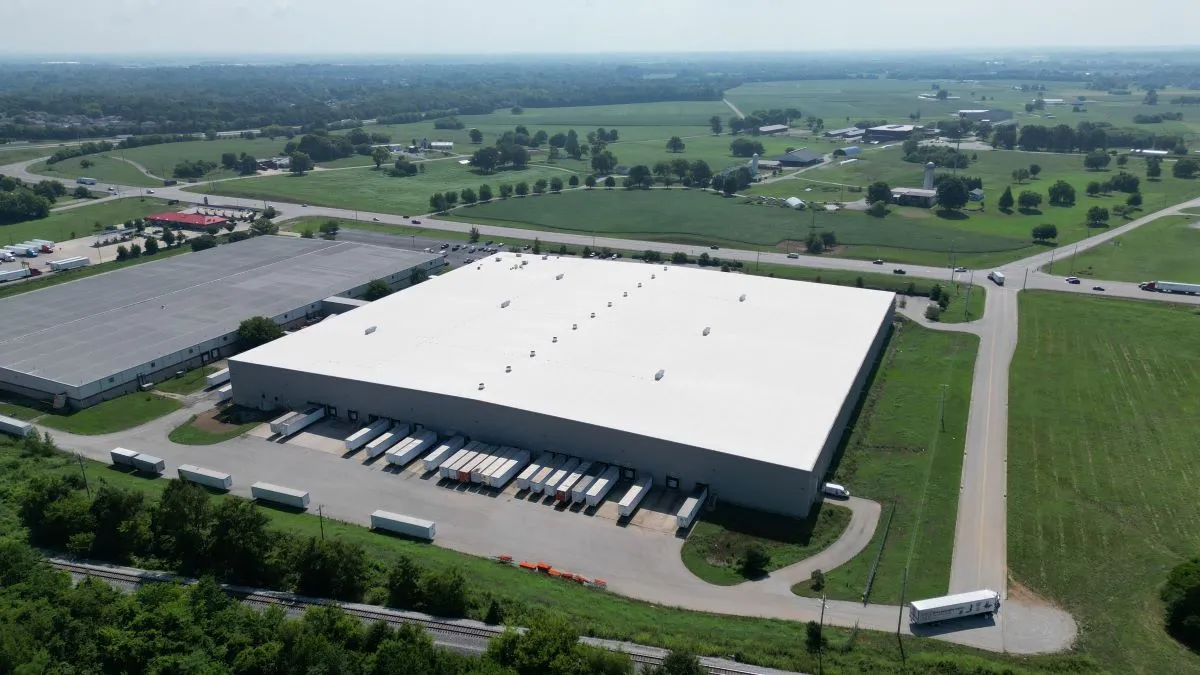
In the world of supply chain management, understanding the different types of warehouses is crucial. These storage areas, ranging from stockrooms to depots to consolidated warehouses, each serve a unique purpose, facilitating order fulfillment and ensuring customer satisfaction. They are integral to the warehouse design and management systems of any company.
Private warehouses are owned and operated by suppliers and manufacturers, or distributors. These private warehousing storage systems provide an advantage of control over the handling and storage of materials. Companies like Target have their own private warehouse or warehouses, offering flexibility to adapt to changes and control transportation costs. The name of the warehouse owned or company is usually associated with the warehouse for easy identification and maintenance.
Public warehouses are rented spaces, offering storage to different businesses on a contractual basis. For startups and smaller companies, this eliminates the need for a large investment in a private building. An added benefit of public warehouses is their potential for warehouse automation, improving efficiency and reducing human error. These warehouses can be found in almost every country.
Bonded warehouses are government-licensed storage areas for imported and duty-unpaid goods. This type of warehouse enables manufacturers to defer payment of taxes until goods are sold or shipped, aiding in maintaining cash flow. They also provide a secure environment for storing valuable items such as pharmaceuticals in secured boxes.
Cooperative warehouses are owned and operated by organizations of farmers or similar groups to store and distribute members' produce. They can reduce transportation and packaging costs while maintaining a high level of customer service. These public warehouses tend to perform specific functions that cater to the needs of the cooperative members.
Less control and insight on stock levels, products flow and product handling since the goods are under the control of the client.
Distribution centers are key for fast-paced order and fulfillment services. A prime example of this type of warehouse function is cross-docking, where incoming shipments are directly transferred to outgoing areas, minimizing storage time and cost. In some cases, these fulfillment centers also serve as a stash point for goods before they are distributed to different locations.
There is also room to store temporary goods. Unlike other warehouses the warehouses can store material for temporary and long periods, with significantly higher rates for goods incoming and outgoing. If a large amount of material is collected and distributed to multiple distributors in your supply chain it can help greatly. Distribution centres manage and ship orders as well and are essential in the communication of suppliers and clients.
Automated warehouses use state-of-the-art warehouse automation technology to streamline processes. These smart warehouses can handle large quantities of products and improve accuracy in order fulfillment. It's an optimal solution for companies aiming for growth and efficiency. The warehouse layout in these facilities is designed to maximize automation.
It is a storage area where temperature-sensitive materials like medications, cosmetics and drinks are stored. These warehouses are specially constructed to maintain the lowest possible temperatures. This storage facility is mainly beneficial because it will keep the quality for years. A further cooling system provides the temperature within the cold storage facility.
To dive deeper, let's take a look at some concrete examples of how different warehouses have different use cases. The U.S. government maintains government warehouses for storing reserves of essential items, from emergency medical supplies to military equipment. This government warehouse serves as an example of how even private sector companies and warehouses can cater to very specific needs.
Amazon's modern warehouses are another fantastic illustration of warehouse automation. These tech-powered facilities maintain a vast range of products, managing inventories with advanced robotics. They're designed to store inventory and ensure quick, accurate deliveries of imported goods to customers, showcasing the efficiency and scalability automated warehouses can provide. Their proprietary warehouses have set the benchmark of digital transformation in the warehousing operations industry and are optimal for long term storage.
Costco operates a network of cooperative warehouses. It sources products directly from producers and sells them to consumers in bulk via a typical cooperative warehouse, reducing transportation and packaging costs. These warehouses cater to members, reflecting the utility of cooperative warehouses for certain business models.
However, there are also cons to fulfillment centers. Costs can add up quickly, particularly if making extensive use of their value-added services. You also have little control over how your items are handled and shipped, which can risk product damage and unhappy customers best suited to storage items on a short-term basis, such as those with high-value In other words, rather than operating in an open-plan first-come, first-serve basis, contract warehouses provide storage when it is advisable.
Costs associated with warehouse operations can be a deciding factor in which type of public warehouse is right for your business. A private warehouse may require a higher upfront investment for construction or purchase, but ongoing costs are within your control. Public warehouses eliminate that initial expenditure but have recurring rental fees. Bonded warehouses provide tax advantages, while automated warehouses may save businesses money entail substantial technology and maintenance costs. Evaluating these costs in relation to your business's financial capacity and long-term goals is crucial.
Choosing the right warehouse will depend on several factors, including:
Ask yourself these reflective questions to help in your decision-making process:
Remember, the correct warehouse inventory and storage facility choice can enhance your supply chain management.
Looking at real-world examples can further clarify the impact of warehouse space and type on a business's success:
The warehousing industry doesn't stand still. In a decade, every warehouse will be a smart warehouse and make the best use of the following emerging trends:
Embracing these trends can give your business a competitive edge, allowing you to maximize efficiency and adapt to future business needs and challenges in the warehousing industry.
The warehouse is more than just a storage space. It's an essential cog in the supply chain management system. Understanding the different types of warehouses and their pros can provide your business with an edge, enhancing order fulfillment and bolstering customer satisfaction. From private hoards to other warehouse options, automated caches to on demand warehouses, the answer to your storage needs lies in understanding these warehouse types.
—
Whether you want to let go of running your own warehouse, or run your warehouse better, you can do both – and so much more – with ShipHero.
Click HERE to Schedule a Meeting with Our Sales Team.
.webp)
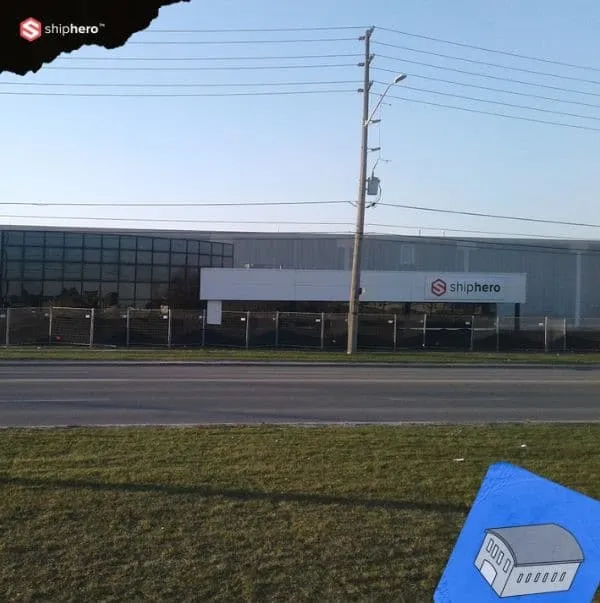
Explore the top 3PL companies in Canada and learn how third-party logistics providers play a vital role in optimizing supply chains. Discover the benefits of partnering with a 3PL, key services offered, and steps to start working with a 3PL in Canada.
.svg)
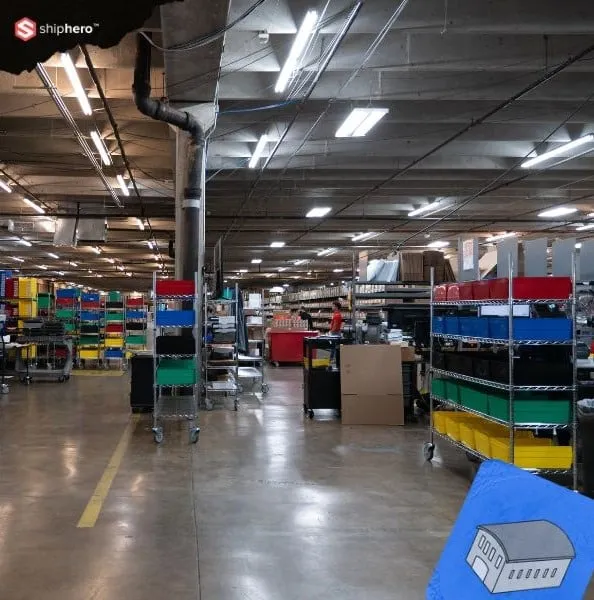
Discover the top 5 best third-party logistics (3PL) companies for your business needs, offering extensive networks, advanced technology, and superior customer service. Learn about the benefits of 3PL services, how to choose the right provider, and avoid common mistakes.
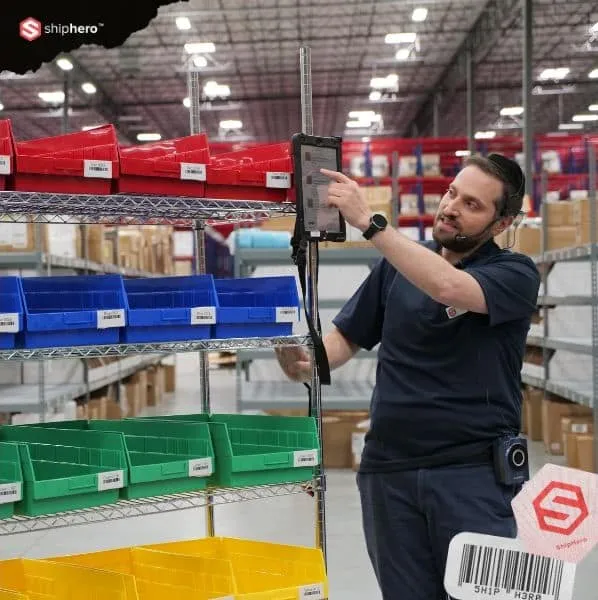
Discover the role, benefits, key features, requirements, and implementation of a 3PL Warehouse Management System (WMS) for optimizing warehouse operations. Learn about scalability, integration, real-time visibility, and customization options to choose the best solution for your business.

On September 1, 2026, Descartes Systems Group announced its acquisition of Extensiv for approximately $120 million. What was announced, what usually follows deals like this, and the questions Extensiv customers should put to their vendor before renewal.



.svg)



.webp)