
.svg)

Warehouse automation can improve accuracy, speed and efficiency in the warehouse. Learn about different types of automation, their benefits, and some best practices to keep in mind.
.webp)
.svg)
Warehouse automation is the use of technology to improve and optimize the handling of goods in a warehouse. It can refer to the use of robotics and conveyor belts, improved picking and packing, or installing applications that can predict the most efficient routes and delivery schedules for each package.
The goal of warehouse automation is to improve accuracy, speed and efficiency in the warehouse and cut down on operational costs in the process. Read on for an overview of the different types of automation, the benefits they offer, and some best practices to keep in mind.
Warehouse automation involves finding labor-intensive and repetitive tasks related to receiving, storing and moving inventory in a warehouse and creating systems that reduce the need for manual labor and data entry.
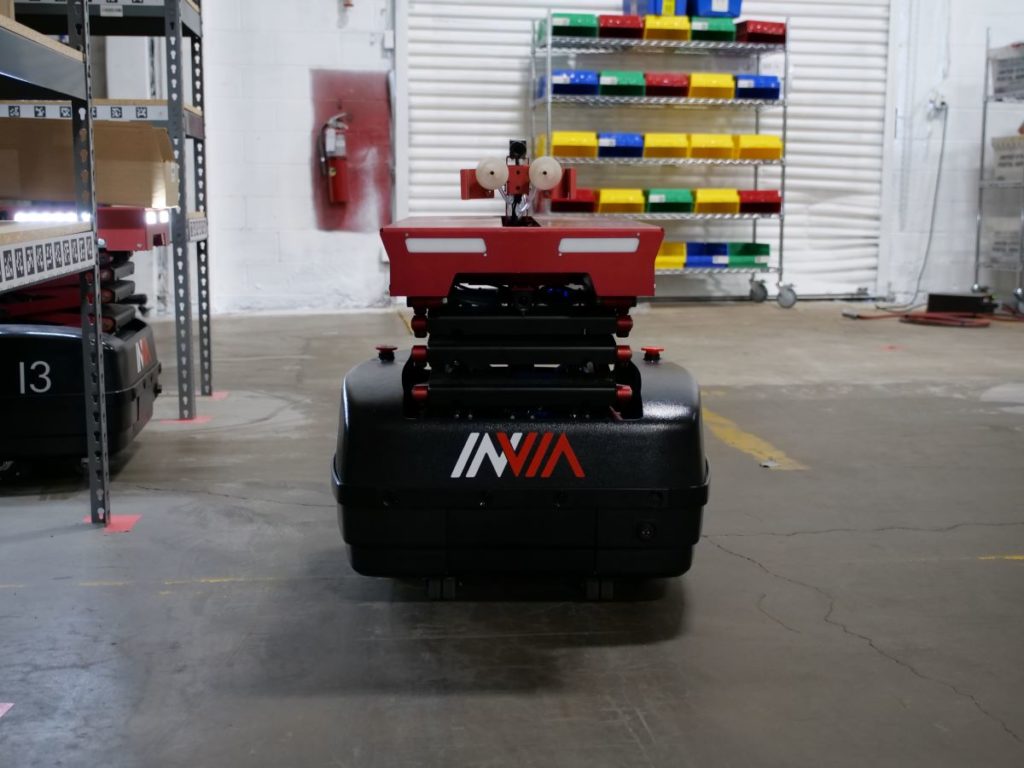
Some examples of warehouse automation include conveyors and sortation systems and shuttle systems that utilize mobile robots to retrieve and deliver products across different levels. However, modern warehouse automation is not limited to robotics. One of the most popular and practical ways to employ automation in the warehouse is with a warehouse management system (WMS), a software that allows warehouse managers to monitor things like inventory levels, workers' schedules, productivity, the order fulfillment process, and delivery schedules in real-time from one central dashboard.
Warehouse automation works by combining warehouse automation software systems, robotic systems and artificial intelligence to simplify complex tasks and improve speed and efficiency on the warehouse floor. The goal, ultimately, is to meet customer demand and achieve customer satisfaction and retention. After all, in this fast-paced world where people expect to receive their packages in a matter of days, the businesses that can prepare and deliver their products the fastest retain more customers.
Most businesses start with warehouse management systems first. Eventually, they integrate their chosen systems with other tools so they can manage a wide range of tasks. There are several different categories of warehouse automation, including:
The following warehouse processes can be improved by automation:
There are many different types of warehouse automation technology, each with unique benefits, including:
You should automate your warehouse when you find yourself struggling with the following:
The aforementioned issues in your warehouse performance can all be traced back to manual processing. Though you may feel that you should get by with tried and tested methods, oftentimes, outdated processes can no longer keep up with the demands of the modern world. In turn, you experience delays and errors that don't just hassle your workers but tarnish your reputation as a reliable business or service provider.
If you need more reasons to make the switch to warehouse automation systems, consider the following benefits:
Automation is a game-changing technology that will help you reduce operational costs and make your business more efficient. This is done by eliminating human error and giving workers more time to focus on more important tasks.
Even amid a labor shortage, you can maintain a lean team of warehouse workers by equipping them with tools and processes to make their jobs easier. When tasks require less time and effort to complete, workers can do more in a day. On top of this, warehouse automation can reduce safety risks associated with workers rushing, and, as a result, keep workers healthy and happy.
When you can monitor your products' every movement, you can reduce the risk of losing and misplacing items as well as relay accurate information to your customers. This helps to improve customer service and satisfaction as well.
A lot of warehouse space goes underutilized. By implementing autonomous vehicles and conveyor systems, you can improve the flow of operations in your warehouse and allocate more space for new products, workstations, and the like.
When you can create more efficient workflows, you end up using less energy to keep your facilities up and running. You also minimize wastage, take up less space to run your operations, and lower your operating costs.
As helpful as warehouse automation systems are in streamlining operations, they also come with some considerable implementation costs. You'll have to be prepared to cover the upfront costs of installing machines and software applications, as well as onboarding all your staff. Maintenance and repairs of your robotics and other equipment may also put a dent in your budget, stall your operations for a few hours and cause delays in processing orders.
To prepare yourself for a warehouse automation solution, follow these steps:
What do you want to get out of implementing automation? Make a timeline of milestones you want to reach, KPIs to measure, and business goals you want to accomplish by adopting automation for your business.
Get in touch with all relevant stakeholders, including your operations managers and engineers. You'll want to know what your warehouse's capabilities are, what challenges you face and what areas can be improved by introducing new technology. This step will help you identify what kinds of systems will work best for you.
Inventory control is a crucial and necessary component of warehouse operations. Before introducing automation into your business, make sure to review and rectify all standard operating procedures related to inventory management, including purchasing materials from vendors, receiving shipments and measuring customer satisfaction.
A warehouse management system is a software used for monitoring and managing inventory levels, warehouse team productivity, order fulfillment progress and shipping progress. These systems provide managers with real-time updates on the warehouse and their employees' work performance, as well as important data that can aid them in making more informed business decisions!
Now, it's time to put all the information you've gathered and figure out the best warehouse solutions for you. Make sure the automation systems you choose align with your customers' demands and your business goals.
To make the most out of your warehouse automation systems, make sure to keep the following warehouse automation trends and best practices in mind:
The cost of automating a warehouse depends on the size and complexity of the project. Generally, though, warehouse automation can cost anywhere between several thousand to millions of dollars.
Warehouse automation technology is a great way to improve your warehouse operations. By automating tasks such as order picking, packing, and shipping, you can save time and money while improving your accuracy and efficiency. We’ve outlined the different types of warehouse automation technology and how to automate your warehouse in this post.
You can start automating your warehouse by implementing a warehouse management system.
Warehouses utilize a wide variety of technologies to automate and streamline tasks, including conveyors, shuttles, voice recognition software, autonomous robots, drones, and smart devices.
There is no telling when all warehouses will become fully automated. While the world's first fully-automated warehouse was introduced in China in 2021, a report showed that over 80 percent of warehouses today do not use any kind of automation at all.
.webp)
Explore the top 3PL companies in Canada and learn how third-party logistics providers play a vital role in optimizing supply chains. Discover the benefits of partnering with a 3PL, key services offered, and steps to start working with a 3PL in Canada.
.svg)
Discover the top 5 best third-party logistics (3PL) companies for your business needs, offering extensive networks, advanced technology, and superior customer service. Learn about the benefits of 3PL services, how to choose the right provider, and avoid common mistakes.
Discover the role, benefits, key features, requirements, and implementation of a 3PL Warehouse Management System (WMS) for optimizing warehouse operations. Learn about scalability, integration, real-time visibility, and customization options to choose the best solution for your business.

On September 1, 2026, Descartes Systems Group announced its acquisition of Extensiv for approximately $120 million. What was announced, what usually follows deals like this, and the questions Extensiv customers should put to their vendor before renewal.



.svg)



.webp)