
.svg)

As the cost of shipping continues to rise and supply chain issues persist, brands are hungry for ways to minimize expenses and offer a competitive edge that keeps customers happy. For brands importing goods to the United States, the cost of shipping can be especially expensive. Different duties and taxes placed on

.svg)
As the cost of shipping continues to rise and supply chain issues persist, brands are hungry for ways to minimize expenses and offer a competitive edge that keeps customers happy.
For brands importing goods to the United States, the cost of shipping can be especially expensive. Different duties and taxes placed on products that cross international borders can quickly put a huge burden on small to medium sized eCommerce brands that are already struggling to keep prices low.
That’s why so many brands are taking advantage of a new law that cuts these costs entirely, while opening up new delivery strategies. That law is known as Section 321.
Section 321 is a law enacted by the US Customs and Border Protection that allows some products to be shipped from Canada to the U.S. duty free. For eCommerce brands, this offers a clear cost-cutting advantage, making it much more affordable to import goods to the U.S., even if those products originate from overseas markets like China.
Tax and duty free shipments sound appealing, but that special pricing won’t apply to every shipment across the board. Section 321 comes with a few parameters that brands need to meet in order to qualify.
While Section 321 sounds like a great opportunity to save major bucks on shipping, high-volume or high-value products likely won’t get the discount. The duty deferral only applies to products for $800 or less. Any more than that, and regular duties and taxes kick back in.
In addition to the price restrictions, some products are exempt from the advantages of Section 321. Certain chemicals that require a customs inspection, like cleaning supplies, are regulated differently. The same exemptions apply to products that fall under Countervailing or Anti-Dumping Duty laws.
Alcohol and tobacco products also won’t be able to apply for Section 321 declaration. In fact, any product regulated by certain government agencies, such as the FDA, USDA, or CPSA, are also outside the scope of Section 321.
Before you plan to cut costs under this regulation, be sure you have a clear understanding of your product’s retail price and whether they’re restricted by other laws.
If your products are free and clear of additional restrictions, you still won’t be able to ship an unlimited amount of deliveries with duty deferrals. Section 321 caps the amount of shipments at one per day.
It’s important to maintain communication with your carrier or shipping partner to make sure they understand this limit. You could face substantial penalties if you or your carrier files multiple Section 321 claims on a single day.
A brand that imports products from overseas and has them sent directly to the U.S. faces the typical hurdles of expensive duties and taxes. Canada, on the other hand, has more favorable trade relations with countries overseas, especially concerning imports from China, allowing their country to incentivize eCommerce shipping via Section 321.
It might seem like going through another international border would add time and expenses to an already overburdened supply chain. However, this regulation offers significant advantages for eCommerce brands that go beyond just the cost of shipping.
If you’re working with a fulfillment service provider in the U.S., coordinating your shipments so they go through Canada could actually result in faster delivery times.
Section 321 greatly reduces the amount of bureaucracy and paperwork required to transport items over the border. While you will still need to provide proof of value, the potential for delays is greatly reduced without the need to file taxes on every product you ship.
The main reason so many brands are taking advantage of Section 321 is because of its potential to minimize the cost of shipping from Asian countries. For example, an item shipped from China to the U.S. might carry a substantial import tax, with that cost priced into what the customer pays when they make an order.
Under Section 321, as long as the shipment meets the regulated standards, that expense is 100% eliminated, resulting in a lower price tag and higher profit margins for your brand.
The combination of the two advantages listed above result in a more satisfying customer experience overall. Online shoppers have come to expect quicker delivery times for a lower cost, and Section 321 can help your brand provide that level of quality.
If you’re launching a new product in the U.S., or looking to expand your customer base, leveraging the benefits of this regulation can give you a significant advantage over your competitors.
In the modern supply chain environment, with congested ports during a surge of online shopping, Section 321 offers a way to take some of the pressure off your brand. With this regulation working to your advantage, you could cut the cost of deliveries while guaranteeing your customers a shorter wait for their orders.
To find out more about Section 321, click HERE. To find out more about ShipHero's fully outsourced fulfillment solution, talk to one of our Fulfillment Experts today.

.webp)
Explore the top 3PL companies in Canada and learn how third-party logistics providers play a vital role in optimizing supply chains. Discover the benefits of partnering with a 3PL, key services offered, and steps to start working with a 3PL in Canada.
.svg)
Discover the top 5 best third-party logistics (3PL) companies for your business needs, offering extensive networks, advanced technology, and superior customer service. Learn about the benefits of 3PL services, how to choose the right provider, and avoid common mistakes.
Discover the role, benefits, key features, requirements, and implementation of a 3PL Warehouse Management System (WMS) for optimizing warehouse operations. Learn about scalability, integration, real-time visibility, and customization options to choose the best solution for your business.

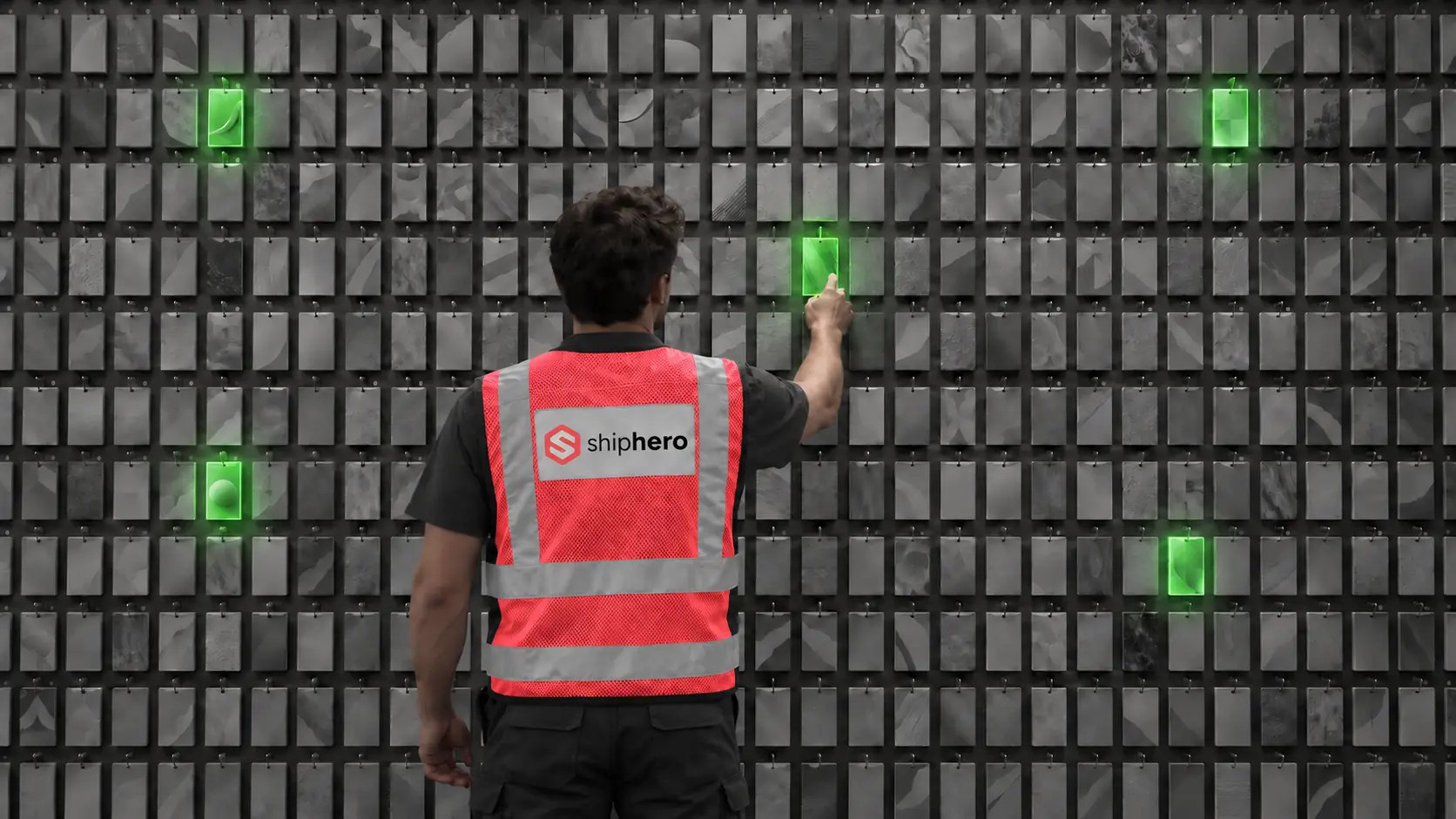
At the denser wall, average picking time per order fell from 40 seconds to 13, and orders that ran clean from start to finish rose from 18% to 97%. This is the companion to our Direct Pack + Pack-to-Light case study, from the same research.




.svg)



.webp)