

Why inventory pushes fall behind during high volume, and how to catch it before your channels do.

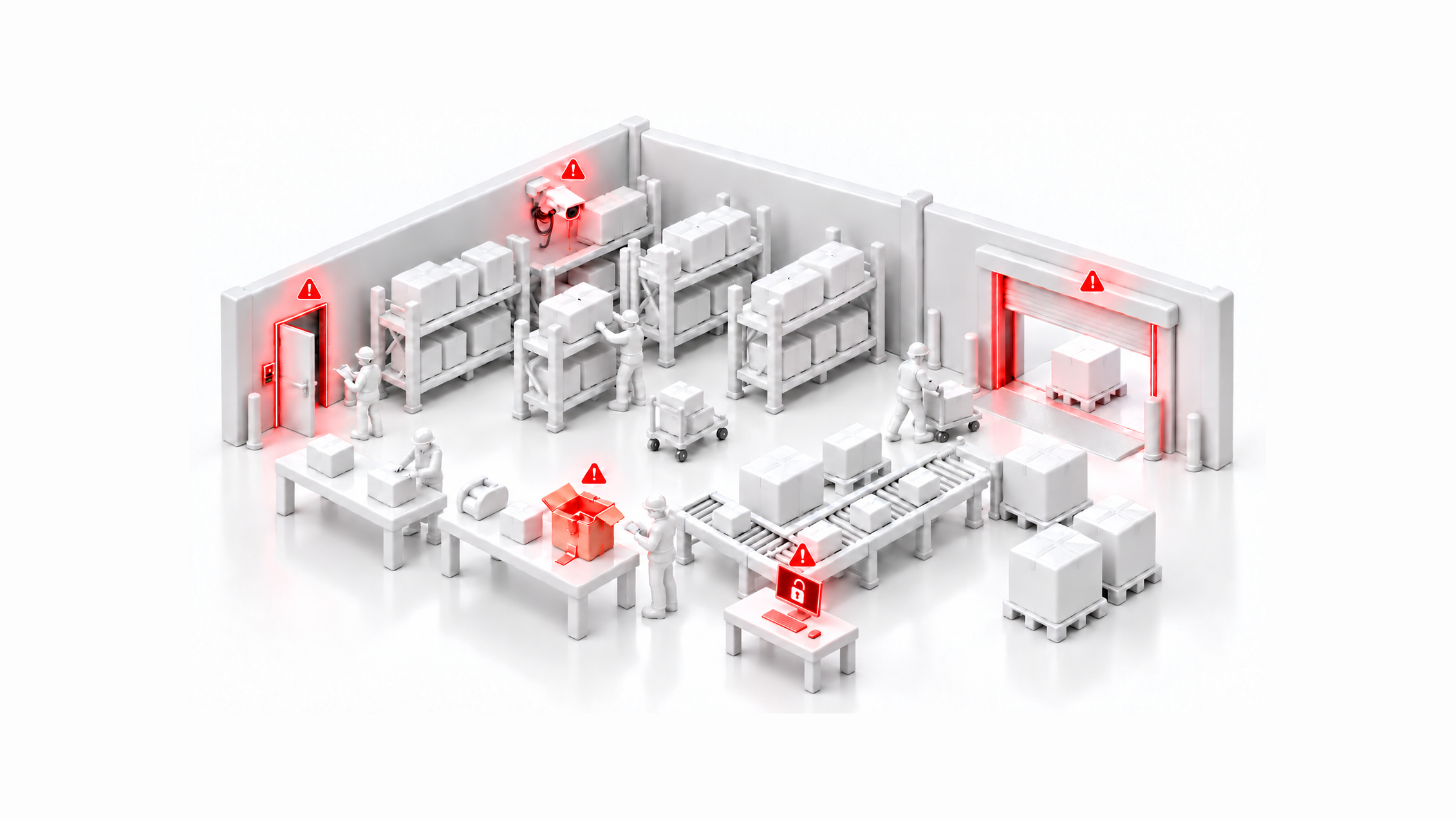
API throttling is the usual starting point. ShipHero syncs inventory to most channels within a minute or two under normal conditions, but that same connection deliberately slows itself down once request volume gets high enough to risk overwhelming the channel, and a flash sale or a Black Friday spike is exactly when that throttling kicks in.
Manual overrides are the second cause. A per-SKU setting like “Do Not Manage Inventory,” or a channel-specific cap like eBay’s Max Quantity, can quietly freeze or limit what a channel shows as available, and a setting that made sense in October can still be sitting there, forgotten, in November.
Location settings are the third. For Shopify, the “Push Inventory From” setting controls which ShipHero warehouses supply inventory to each Shopify location. General settings can combine inventory from multiple warehouses into one location, so check these mappings if a Shopify location shows unexpected inventory.
Throttled requests round it out. During a genuine burst of activity, some update requests can fail. Check unexpected inventory discrepancies before a customer orders something that is not there.
These are two key actions your team can implement today:
Overselling during peak may cost you a lot more than just one order: cancellations, refunds, support tickets, and on some marketplaces, it could even lead to a mark against your account health, something that will outlast the season.
For 3PLs and brands running multiple channels at once, a sync gap that goes unnoticed in October becomes a pile of angry customers in November.
If inventory sync issues have shown up in your ShipHero tickets before, this is the moment to fix the issue while it is still just a gap, not a channel suspension.
The most common causes are API throttling during high order volume, a forgotten per-SKU or channel-specific override still sitting active, and a Location Settings mapping that sends inventory to the wrong warehouse location on the channel side.
There is no interval to set: ShipHero syncs in near real time by default. The real question is whether your channel connection can keep up with your order volume without getting throttled. For high-volume Shopify sales, temporarily disabling ShipHero inventory updates lets Shopify manage inventory. Re-enable sync afterward, and contact Support if you need a full inventory push.
You will need to cancel or backorder the affected order, which usually means a refund and a support ticket at minimum. On some marketplaces, repeated overselling also affects account health standing.


At the denser wall, average picking time per order fell from 40 seconds to 13, and orders that ran clean from start to finish rose from 18% to 97%. This is the companion to our Direct Pack + Pack-to-Light case study, from the same research.