
.svg)

3PL Myths and Misconceptions There are some common myths and misconceptions when it comes to using a 3PL provider. Here are a few you may have heard: Myth: "It's too expensive to use a 3PL." In reality, using a 3PL can actually save your business money in the long run. A 3PL has economies of scale and

.svg)
There are some common myths and misconceptions when it comes to using a 3PL provider. Here are a few you may have heard:
Myth: "It's too expensive to use a 3PL."
In reality, using a 3PL can actually save your business money in the long run. A 3PL has economies of scale and can often negotiate better rates for things like warehousing and transportation. And by outsourcing logistics to a 3PL, you'll have more time and resources to focus on growing your business, which can ultimately lead to more revenue.
Myth: "A 3PL will take over my business."
A 3PL is there to support your business, not take it over. The idea is to work together to create a logistics solution that works for you. You'll still be in control of your inventory and customer relationships.
Myth: "I'll lose control of my inventory."
When working with a 3PL, you'll have access to real-time inventory data, giving you more control and visibility over your inventory than ever before. Plus, 3PLs often have advanced inventory management systems in place, which can help you keep track of your inventory and reduce the risk of stockouts.
Myth: "A 3PL can only handle basic logistics tasks."
3PLs have a wide range of capabilities, and many offer a variety of services beyond just storage and transportation. For example, many 3PLs can also handle things like order fulfillment, reverse logistics, and even eCommerce integration.
Companies choose to work with a 3PL provider despite the misconceptions surrounding the use of 3PL because it is often the most cost-effective solution for their needs. Not only can 3PLs negotiate better rates for warehousing and transportation, but they have also put in the money to develop a logistical infrastructure. While companies like Walmart might have the capacity to spend the cash required for such an infrastructure, many other companies do not. In addition to this, they are also logistics experts and can help you strategize the best approach for your business.
Let’s go back to Sarah who runs “Fashion Avenue”. Before using a logistics provider, her business was growing quickly, and she found herself spending more and more time on manual tasks. Despite her best efforts, she was struggling to keep up with the volume of orders and was frequently running out of stock. But her day-to-day changed when she decided to partner with a 3PL logistics provider. The 3PL provider was able to take over the handling of her inventory, packing, and shipping orders, and coordinating with carriers. This freed up Sarah's time and resources, allowing her to focus on growing her business. Ultimately, picking a 3PL logistics provider saved Sarah both time and money. And it can do the same for your business as well.
A 3PL logistics partner is a comprehensive and integrated solution for your logistics needs, providing a wide range of services such as warehouse management, inventory control, transportation management, and other logistics services. They are a partner in your business and work closely with you to create a logistics strategy unique to your specific needs. On the other hand, a Broker is a middleman who connects shippers with carriers and other logistics providers. A broker is not responsible for the physical handling or storage of goods and typically provides less visibility and control over the logistics process.
3PL logistics partners are the go-to solution for many industries that require a full-service logistics provider. They rely on the expertise and resources this logistical partner has to offer. Industries such as e-commerce and retail, manufacturing and production, healthcare and pharmaceuticals, food and beverage, automotive, industrial and heavy machinery, fashion and apparel, and chemical and hazardous materials all extensively use 3PL logistics partners to manage their logistics operations.
Managing a 3PL logistics partner effectively is crucial for a smooth and successful logistics operation. You should clearly communicate your logistics needs, goals, and expectations to the 3PL logistics partner, including setting performance metrics and service level agreements (SLAs) that both parties agree on. Performance should be continuously monitored against the agreed-upon metrics and SLAs, and regular data and reports requested to help measure performance, identify trends and make informed decisions.
Monitoring the performance of third-party logistics providers is critical to ensure that your logistics operations run smoothly and meet your business needs. So how do you monitor your 3PL partner's performance?
Your business and your customers deserve the best. They depend on you to get their orders shipped on time and in one piece. Moving to a third-party logistics company for these needs allows you to keep your promises to those who buy your products. With this partnership, your orders can get there faster, with fewer mistakes, at a lower cost than if you were trying to achieve the same on your own. Meaning a 3PL solution is your ticket to keeping up with the competition!
Integrating with a 3PL logistics provider is a process that requires clear communication, collaboration, and planning. Start by reviewing your logistics needs, goals, and expectations with the 3PL logistics partner, including setting performance metrics and service level agreements (SLAs) that both parties agree on. Have a plan which outlines the logistics processes and procedures and includes details such as inventory management, shipping, and returns. Finally, monitor the performance of the 3PL logistics partner against the agreed-upon metrics and SLAs, and look for opportunities for improvement.
A 3PL will handle the warehousing, shipping, and fulfillment of orders for an eCommerce business. This can include tasks such as receiving and storing inventory, picking and packing orders, and arranging for shipping and delivery. Using a 3PL provider can also help eCommerce businesses focus on their core business, such as product development, marketing, and customer service, instead of worrying about logistics operations.
eCommerce integrations refer to the connections and links established between an eCommerce platform and other software systems or tools used to manage and run an online business. These integrations can help automate and streamline business processes. Here are a few examples of eCommerce integrations:
.webp)
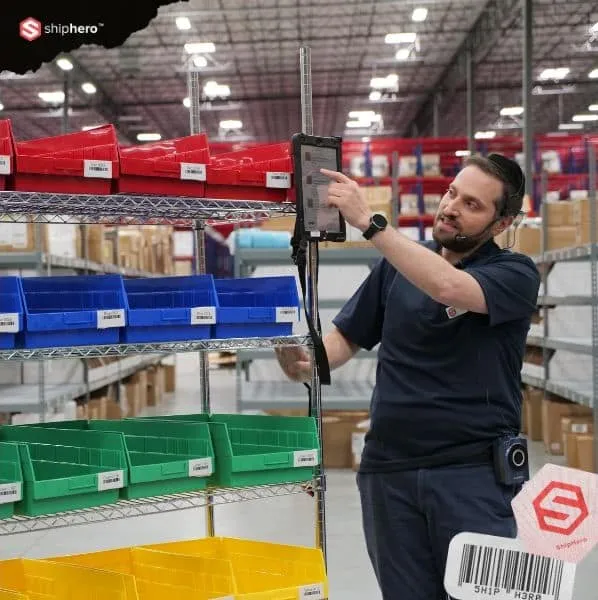
Discover the role, benefits, key features, requirements, and implementation of a 3PL Warehouse Management System (WMS) for optimizing warehouse operations. Learn about scalability, integration, real-time visibility, and customization options to choose the best solution for your business.
.svg)
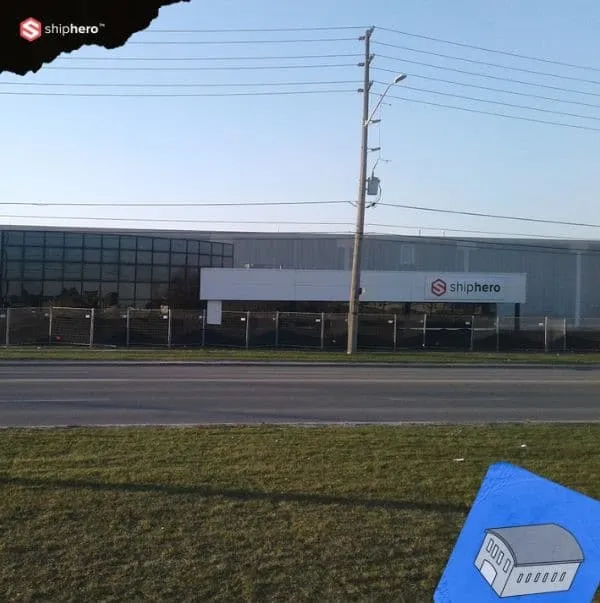
Explore the top 3PL companies in Canada and learn how third-party logistics providers play a vital role in optimizing supply chains. Discover the benefits of partnering with a 3PL, key services offered, and steps to start working with a 3PL in Canada.
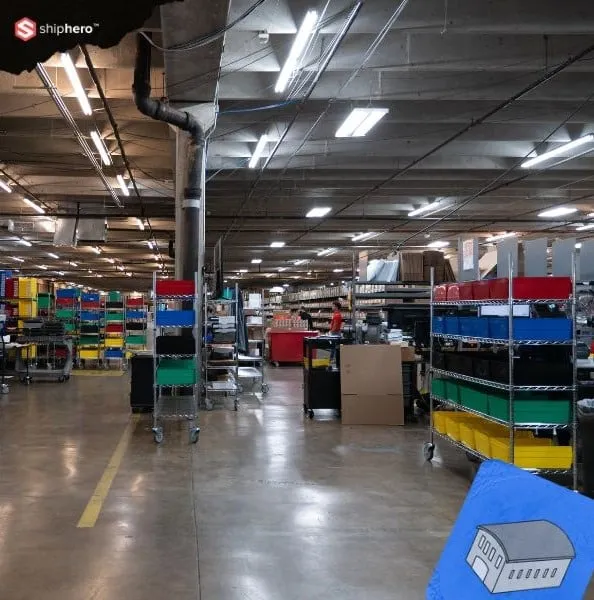
Discover the top 5 best third-party logistics (3PL) companies for your business needs, offering extensive networks, advanced technology, and superior customer service. Learn about the benefits of 3PL services, how to choose the right provider, and avoid common mistakes.
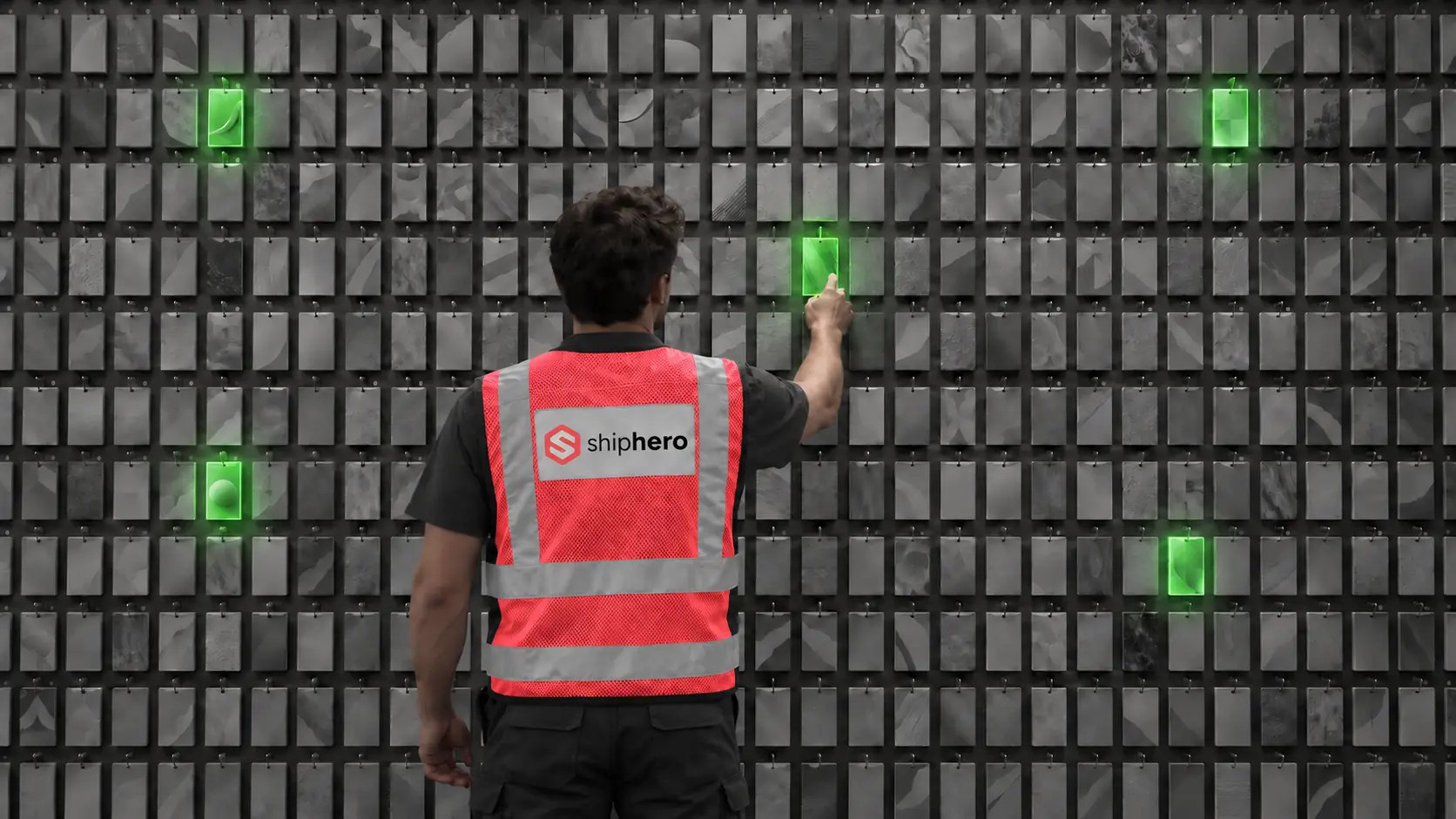
At the denser wall, average picking time per order fell from 40 seconds to 13, and orders that ran clean from start to finish rose from 18% to 97%. This is the companion to our Direct Pack + Pack-to-Light case study, from the same research.
On September 1, 2026, Descartes Systems Group announced its acquisition of Extensiv for approximately $120 million. What was announced, what usually follows deals like this, and the questions Extensiv customers should put to their vendor before renewal.



.svg)



.webp)