
.svg)

Backorders aren’t great, but sometimes they’re unavoidable. Find out how to keep clients happy when they have to wait for what they want.

.svg)
To stay competitive in the world of eCommerce, businesses have to find ways to satisfy the demand of consumers for almost instant gratification. When consumers shop, they expect to be able to purchase the products they want and receive them promptly. While items online may not always be available right away, clients expect to receive them as quickly as possible.
When clients find out they can’t have what they want when they want it, they are faced with deciding whether to wait for the product to become available or look for another company that may have it in stock. If products aren’t available because they’re out of stock or backordered, there’s a risk clients will take their business elsewhere.
A backordered item is a product that isn’t present in your physical inventory, but it’s expected to be replenished. This means that although you’re unable to fulfill orders to clients immediately, you expect to have the product back in stock by a certain date. The fact that you have an expected shipping date means that you may be able to keep a client’s interest in a product since you can let them know it’s available on warehouse backorder.
When items are backordered, it indicates that demand is outpacing supply. Too many items on backorder may be a sign that inventory isn’t being managed effectively. Long wait times are likely to be frustrating to clients who may take their business elsewhere.
The meaning of the term backorder isn’t exactly the same as out of stock. Items on warehouse backorder aren’t currently in your warehouse but are available from suppliers. Items that are out of stock may or may not become available again in the future. eCommerce businesses may accept orders for items on backorder since they’re expected to be ready to ship in the future. Orders aren’t usually accepted for items that are out of stock.
There are several different things that may cause an increase in backorders. Some examples include:
Businesses often keep extra stock on hand to try to prevent items from ending up backordered or out of stock. This is known as safety stock. If there’s insufficient safety stock because of counting errors, your company may not be prepared to handle normal demand, let alone higher-than-usual demand.
As your eCommerce business grows, you’re likely to receive an increasing number of orders. Backorders can lead to increased customer service headaches because sometimes people call repeatedly to find out when their order is being shipped.
If people have to wait too long for an order, they may change their minds and decide to cancel.If demand for your products increases more quickly than supplies are replenished, you may face shortages or a large number of backordered items. To keep clients satisfied, stock shortages or backorders shouldn’t be something that occurs regularly. When products are out of stock or back ordered too often, it can damage the reputation of your company.
Clients with backorders often start looking at other companies when they find out the items that they want aren’t available right away. Consider what actions you can take to keep your clients happy. Offering a coupon for a discount on their next purchase lets them know you’re concerned the order couldn’t be fulfilled promptly and that you value their business. If they’ve ordered multiple items, ship what’s available without charging extra to ship the backordered item separately.
Providing good client service includes keeping clients informed so that they know right away when a product they’re interested in is backordered as well as when it’s back in stock. If backordered items only happen occasionally, it may stimulate demand for items that aren’t immediately available. You can help to create excitement for the product by sending emails counting down the number of days until it’s in stock again. Another advantage to backorders is that they give you some insights into what products are in the highest demand.
Advanced technology makes it possible to monitor inventory automatically and to receive up-to-date information such as alerts when stock is low. Using warehouse management software is a good way to be proactive about inventory management and obtain better forecasting.
Effective inventory management means using methods such as real-time inventory tracking to make sure there’s sufficient safety stock on hand. This can help ensure that fulfilling orders won’t be delayed because of supply chain issues, which can help reduce the number of warehouse backorders you experience.
---
Whether you want to let go of running your own warehouse, or run your warehouse better, you can do both – and so much more – with ShipHero.
Click HERE to Schedule a Meeting with Our Sales Team.
.webp)
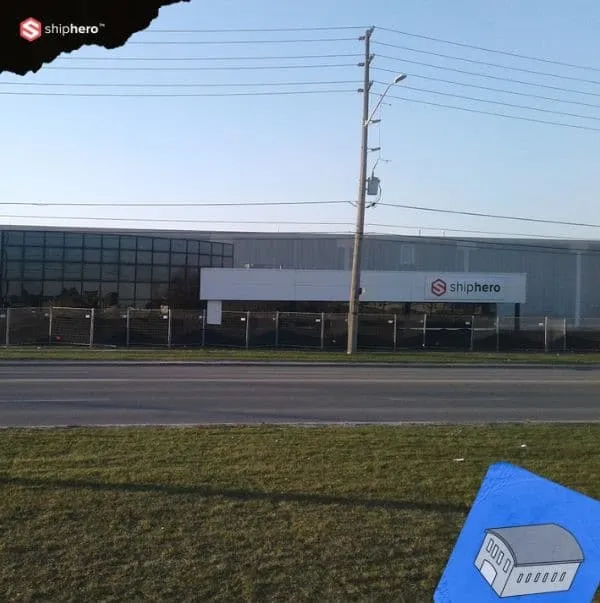
Explore the top 3PL companies in Canada and learn how third-party logistics providers play a vital role in optimizing supply chains. Discover the benefits of partnering with a 3PL, key services offered, and steps to start working with a 3PL in Canada.
.svg)
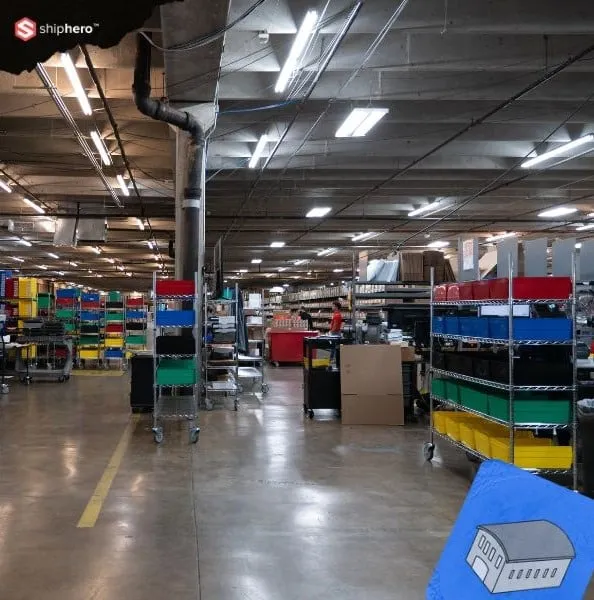
Discover the top 5 best third-party logistics (3PL) companies for your business needs, offering extensive networks, advanced technology, and superior customer service. Learn about the benefits of 3PL services, how to choose the right provider, and avoid common mistakes.
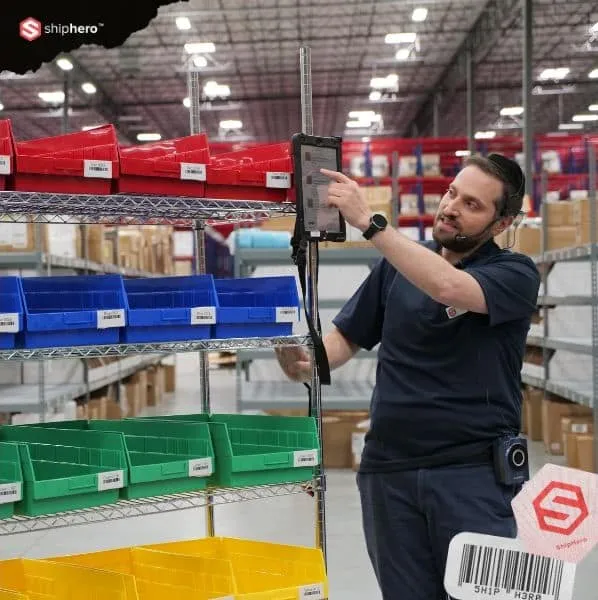
Discover the role, benefits, key features, requirements, and implementation of a 3PL Warehouse Management System (WMS) for optimizing warehouse operations. Learn about scalability, integration, real-time visibility, and customization options to choose the best solution for your business.
On September 1, 2026, Descartes Systems Group announced its acquisition of Extensiv for approximately $120 million. What was announced, what usually follows deals like this, and the questions Extensiv customers should put to their vendor before renewal.



.svg)



.webp)