
shiphero Blog

Reading gives you superpowers

Let’s stay in touch with the ShipHero Blog.

September 9, 2025

How AI is Transforming Warehouse Management: Impact, Benefits, and Use Cases

Imagine running a warehouse where orders are picked quickly, inventory is accurate, and all operations run smoothly without any errors or delays. Thanks to Artificial Intelligence, this can now become a reality with ease.

AI is transforming warehouse management by enhancing efficiency, intelligence, and the ability to meet the rapid demands of today’s eCommerce-driven market.

ShipHero is pioneering this revolution with its AI-powered warehouse solutions, setting new industry benchmarks. This article explores ShipHero’s AI Picking feature, highlighting how it’s transforming warehouse management and enhancing operational efficiency.

Benefits of AI in Warehouse Management

The integration of AI technologies, including machine learning, robotics, and predictive analytics, is revolutionizing warehouse operations, driving significant improvements in efficiency, accuracy, and overall performance. These innovations are optimizing processes across various areas, from inventory management to order fulfillment. Below are the key benefits of AI in warehouse management.

  • Improves efficiency: By automating routine tasks, AI speeds up warehouse operations and streamlines workflows.
  • Reduces operational costs: With AI automating repetitive tasks, businesses can save on labor costs and minimize errors.
  • Enhances inventory management: AI ensures that inventory is always accurate, with real-time updates and better control over stock levels.
  • Predicts demand: AI accurately predicts demand, enabling businesses to manage inventory effectively and avoid stockouts or excess stock.

Key Components of AI-Driven Warehouse Systems

A combination of AI technologies is shaping smarter warehouse systems to help revolutionize warehouse management.

  • Inventory Management Systems – AI-powered inventory management systems ensure that stock levels are continuously updated and accurately tracked to improve operational efficiency and minimize errors in inventory counts.
  • Automated Guided Vehicles (AGVs) – Automated vehicles (AGVs) optimize routing by quickly transporting goods, speeding up processing times, and improving throughput.
  • Robotic Process Automation (RPA) – RPA automates repetitive tasks like picking, sorting, and shipping to allow 24/7 warehouse operations with minimal human intervention.
  • Predictive Analytics and Demand Forecasting – AI tools predict demand accurately, ensuring optimal inventory levels and reducing stockouts or overstocking.

ShipHero’s AI Picking: A Game Changer in Warehouse Efficiency

ShipHero has taken AI integration to the next level with its AI Picking feature, designed to significantly improve warehouse efficiency. This feature automates the picking process, reducing the reliance on manual labor and enhancing productivity in ways that were once thought impossible.

Let’s dive deeper into how ShipHero’s AI Picking works and the advantages it offers.

How AI Picking Works

AI Picking optimizes warehouse operations in two key ways:

  • AI Path Optimization: By calculating the most efficient routes, walking time is reduced by up to 30%, allowing pickers to spend more time fulfilling orders.
  • Smart Batching: Orders are intelligently grouped to maximize pick density, minimizing trips while speeding up processing times.

Benefits of AI Picking

The AI Picking feature delivers a wide range of benefits:

    Increased Productivity: With optimized paths and smart batching, pickers can fulfill more orders in less time, dramatically increasing throughput.Lower Labor Costs: AI Picking reduces the need for human labor, cutting operational costs.Improved Warehouse Efficiency: Path optimization and smart batching maximize space and resources, streamlining operations.

Broader Impacts of AI in Warehouse Management

The transformative power of AI extends far beyond just picking. AI is also revolutionizing other aspects of warehouse management, driving improvements in operational efficiency, inventory management, and safety.

Operational Efficiency

AI automates tasks, reducing errors and increasing speed. Automated sorting and real-time inventory tracking ensure accuracy, while real-time monitoring helps managers adapt and ensure timely deliveries.

Inventory Management

AI plays a vital role in maintaining accurate inventory levels. By leveraging predictive analytics, AI can forecast demand and optimize stock levels, helping warehouses avoid both stockouts and overstock situations. This leads to better inventory management and fewer disruptions in supply chains.

Safety and Compliance

AI-driven systems can monitor warehouse conditions to ensure safety and compliance with industry regulations. These systems can analyze warehouse data and predict potential hazards before they occur, proactively reducing risks and ensuring a safer working environment.

Applications of AI in Supply Chain and Logistics

AI technologies are playing a transformative role in the supply chain and logistics sectors by improving efficiency, reducing costs, and enhancing decision-making.

These intelligent systems effortlessly manage supply chain processes by using data to optimize operations, predict trends, and automate routine tasks. This ultimately reshapes everything, from how goods are moved to stored and delivered.

  • Inventory Optimization: AI analyzes sales data, trends, and external factors to optimize stock levels. This reduces stockouts, overstocking, and excess inventory, ensuring more accurate and cost-effective inventory management.
  • Demand Forecasting: AI helps predict future demand by analyzing historical data and market conditions. This allows businesses to plan inventory, production, and procurement more efficiently, reducing waste and ensuring product availability.
  • Route Planning and Optimization: AI also optimizes delivery routes by considering real-time factors, including traffic and weather conditions. This helps businesses reduce fuel costs, improve delivery times, and enhance overall logistics efficiency.
  • Warehouse Automation: AI-powered robots can automate picking, sorting, and packing in warehouses. This increases accuracy, reduces labor costs, and enhances order fulfillment speed, eventually improving overall warehouse efficiency.

The Future of AI in Warehouse Management

The future of warehouse management looks promising with greater automation and efficiency, but future warehouse digitization brings challenges, such as high upfront costs and the need for skilled personnel.

Emerging Trends and Innovations

AI-powered drones, autonomous robots, and IoT integration are smart warehouse technologies that are revolutionizing warehouse operations. Drones will deliver goods quickly, while robots automate sorting and transportation, thereby reducing the need for manual labor.

IoT and AI integration will enable real-time monitoring and optimization of operations. Smart technology in warehouses is leading to fully automated systems that are faster, scalable, and need minimal human input.

Challenges and Considerations

While AI offers immense benefits, businesses must also consider certain challenges. High initial investments in AI technology, data security concerns, and the need for skilled personnel are just a few of the hurdles that must be addressed.

However, with a strategic approach, companies can eliminate the challenges and embrace AI’s full potential to boost accuracy in picking and improve overall warehouse operations.

Key Takeaways

  • AI is transforming warehouse management by making operations faster, more accurate, and cost-effective.
  • ShipHero’s AI Picking system demonstrates how AI can help warehouses handle more orders, cut down on labor costs, and streamline their processes.
  • AI improves routing, aids decision-making, and ensures timely stock replenishment, helping businesses stay competitive in eCommerce.

Frequently Asked Questions

How can AI help in reducing warehouse errors?

AI minimizes error by automating tasks like inventory tracking, order picking, and sorting, ensuring greater accuracy and efficiency.

Can AI be used for predictive analytics in warehouse management?

Yes, AI-driven predictive analytics can predict demand, track inventory levels, and improve supply chain efficiency by forecasting needs with greater accuracy to help businesses stay ahead of trends and market fluctuations.

Is AI in warehouse management affordable for small businesses?

AI solutions are becoming more cost-effective thanks to cloud-based services and subscription pricing models. These options make AI technology more accessible to small businesses, allowing them to take advantage of its benefits without large upfront costs.

‍

September 9, 2025

Warehouse Receiving Process Checklist: Definition and Template

When pallets roll in and loading docks buzz, your warehouse’s receiving process becomes the gatekeeper of inventory accuracy. And if that gate isn’t well-guarded with structure, speed, and oversight, errors slip in.

A mislabeled item here, a damaged shipment there, and suddenly your warehouse faces stock discrepancies, late order fulfillment, or even lost customers.

A warehouse receiving process checklist streamlines receiving operations and ensures compliance across teams, regardless of who’s on shift.

What is a Warehouse Receiving Process Checklist?

A warehouse receiving process checklist ensures every shipment that enters your facility is properly documented, inspected, and integrated into your inventory system.

Unlike ad hoc or verbal processes, this structured document verifies product condition upon arrival, checks against purchase orders to confirm accuracy, and documents all inspections for future reference.

However, ShipHero’s digital platform already seamlessly integrates this checklist into your system, automating the tracking of goods from the moment they arrive.

Because it captures critical shipment details, a receiving checklist can double as a warehouse audit checklist sample, especially when preparing for performance reviews or inventory audits.

If you’re looking for ways to improve accuracy and accountability, learning how to audit your warehouse with a structured receiving checklist is a great place to start.

What to Include on a Warehouse Receiving Process Checklist

Receiving Checklist Sample 1          


Receiving Checklist Sample 2

A well-structured warehouse receiving process checklist is crucial for ensuring accurate and efficient inventory management. Including the mentioned key components helps streamline the process, reduces errors, and enhances overall warehouse performance.

Here’s what you must include in your checklist to maintain control and accountability:

Purchase Order Number

This anchors the entire inspection. By referencing the purchase order (PO) number, warehouse teams can verify the received goods against the original order, ensuring the correct items and quantities are delivered.

Supplier Name & Address

Having the supplier’s full details improves accountability. If there’s a delivery issue, this info helps your team evaluate supplier performance and speed up resolution.

Date & Time of Delivery

Timestamping each delivery helps you review delivery schedules, track shipment delays, and identify potential gaps in receiving coverage.

Receiving Inspection

Here, staff will assess damage or discrepancies, confirm specifications (e.g., size, color), take photos if needed, and record all inspections in case of claims or audits. An effective inventory audit checklist incorporates these inspection protocols to ensure accuracy from the moment goods arrive.

Material Name

Listing the material name (e.g., product name, SKU, or description) prevents mix-ups during inventory allocation and ensures all items are accounted for. This also helps your Warehouse Management System (WMS) update stock records correctly.

Information Like “Delivered By” and “Received By”

Identifying who delivered and who received the shipment establishes accountability, helps resolve disputes over damaged or missing items, and ensures proper handoff records.

Documentation

Maintaining proper documentation, such as packing slips, invoices, and bills of lading, facilitates order reconciliation and supports formal audits and record keeping.

Why is a Warehouse Receiving Process Checklist Important?

A single receiving error often ripples through the entire warehouse. A structured receiving checklist breaks this cycle by establishing clear protocols that coordinate with supply chain operations and create accountability at every step. It drives big improvements in:

  • Faster receiving times: Teams know exactly what to do, in what order, and what to record.
  • Error reduction: Prevents items from being missed, mislabeled, or stored incorrectly.
  • Better supplier relationships: Helps track trends in late shipments, missing items, or recurring damage.
  • Improved stock accuracy: A clear receiving trail makes it easier to spot when something goes wrong.

This plays out in real operations. A mid-sized clothing retailer had ongoing issues with stock discrepancies during receipt. However, implementing a standardized receiving checklist significantly reduced the number of missing items and stock inaccuracies.

Employees also appreciated having clear instructions to follow, which reduced confusion and helped maintain a smoother workflow during peak delivery periods.

How to Create a Warehouse Receiving Process Checklist

Before drafting your checklist, take a closer look at your existing receiving workflow. Next, identify any inefficiencies and pinpoint areas that could benefit from more structure and consistency.

Decide on Information to Include in the Checklist

Choose the data points you’ll need based on your warehouse flow, system integration, and team size. Include only what’s necessary to document key handoff moments.

Choose a Proper Checklist Format

You can go with paper, but digital formats (via tablets or mobile apps) are easier to scale. Software-based checklists can instantly update records and integrate with your WMS.

Create the Checklist Using a Software Template

Use inventory management platforms or cloud-based tools to build your checklist. For example, ShipHero’s template system allows you to configure fields, set mandatory requirements, and establish workflow rules that guide staff through the receiving process. This makes sure every receiving action is consistent and auditable.

Train Employees

Train staff to make sure every team member follows standardized procedures. This minimizes human error, especially for new or seasonal workers.

Implement the Checklist

Roll out the checklist during a test period. Assign clear roles (e.g., receiver, inspector), gather feedback, and then launch warehouse-wide. Revisit and refine it quarterly to keep up with operational changes.

Warehouse Receiving Best Practices

Your warehouse receiving checklist works even better when paired with these best practices:

Building a Proper Receiving Schedule

Spacing out deliveries helps reduce bottlenecks and allows teams sufficient time to track inventory levels accurately. It also allows for more accurate inspections.

Optimizing the Warehouse Space

Keep receiving areas clutter-free and near the entrance. This shortens the time it takes to organize storage locations after goods are received.

Upgrading Warehouse Receiving Equipment

Invest in equipment such as barcode scanners, conveyors, or forklifts to speed up receiving operations, especially during peak seasons.

Separating Damaged Goods

Don’t let broken items enter inventory. Flag them, document the issue, and notify procurement so the issue can be escalated quickly.

Simplify Warehouse Receiving with ShipHero’s Automated Solutions

By leveraging real-time inventory tracking and barcode scanning, you can eliminate the need for manual checklists, ensuring that every received item is accurately logged. ShipHero automates the entire receiving workflow, reducing human errors and speeding up the process.

Customizable receiving workflows allow you to tailor the system to your warehouse’s specific needs, eliminating the need for paper-based checklists. Improve efficiency, accuracy, and consistency, all with ShipHero’s advanced automation tools.

Key Takeaways

  • A warehouse receiving checklist provides structured workflows that ensure accurate, efficient processing of incoming shipments
  • For operational transparency, checklists should include critical information, such as PO number, supplier information, inspection results, and timestamps.
  • For best results, use tools like ShipHero to digitize checklists, train your team properly, and regularly review performance.

Frequently Asked Questions

How Often Should You Update the Warehouse Receiving Procedures?

At least annually, or anytime your business introduces a new product line, supplier, or technology upgrades.

Is It Beneficial to Cross-Train Staff on Receiving Processes?

Absolutely. Cross-training builds flexibility, enabling teams to cover for absences and maintain efficiency even during peak periods or periods of high turnover.

What Should You Do If the Item Received Is Damaged?

  1. Document the damage with photos and notes.
  2. Isolate the damaged item to prevent it from entering inventory.
  3. Notify the supplier immediately with details and evidence.
  4. Update your stock count to reflect the issue.
  5. Follow supplier protocols for returns or replacements.

‍

September 9, 2025

Warehouse Daily Checklist: Guide and Free Template

One missed check can cost you thousands of dollars. You may have a damaged pallet, a missing fire extinguisher, or a skipped safety step that can put your team at risk.

Warehouse daily checklists serve as a pilot’s pre-flight checklist. Before takeoff, every switch, lever, and system is checked. Why? Because skipping one step can lead to serious problems. The same goes for your warehouse.

Without a solid checklist, you risk delays, missed shipments, or worse, accidents and safety violations. A checklist ensures your team follows the right procedures and nothing falls through the cracks.

Here’s everything you need to include in a warehouse daily checklist, its definition, and templates you could use to get started fast.

What is a Warehouse Daily Checklist?

A warehouse daily checklist is a structured form that helps warehouse staff systematically inspect, verify, and record essential tasks on a daily basis. It covers all the daily to-dos that keep your warehouse operations running smoothly and safely, such as inventory tracking and forklift inspections.

The warehousing and storage industry reported an injury rate of 4.8 per 100 full-time workers, nearly double the national average of 2.7. Following a daily warehouse checklist ensures the right procedures and safety protocols are followed and nothing important gets missed.

Creating an Effective Warehouse Daily Checklist Template

A great warehouse daily checklist supports the safety of your warehouse, reduces errors, and keeps your workflow on point. Here’s how to make a checklist that your warehouse workers will actually use and benefit from.

Components of a Warehouse Daily Checklist

Every component of your checklist ensures your facility, staff, and inventory remain safe, compliant, and productive.

Common components include:

  1. Inventory Checks: Your team should do an inventory audit. Monitor current stock levels, confirm the accuracy of quantities, check the condition of stored items, and inspect the labeling and bin organization to prevent errors, shortages, or misplaced goods. Real-time inventory visibility and predictive restocking tools, such as ShipHero, make this process seamless. Make sure that the receiving process is airtight as well.
  2. Equipment Inspections: Your checklist should ensure that all tools, forklifts, devices, and fire extinguishers are operating safely and efficiently. Inspect the equipment for wear and damage, document the condition, and update the maintenance schedule when necessary.
  3. Safety Protocols: Safety and security checks minimize accidents. Inspect the visibility of signage and emergency exits, and oversee the handling of known hazards.
  4. Cleanliness & Housekeeping: A clean and organized warehouse is a safer and more efficient one. Monitor the cleaning of floors, the clearing of walkways, and the organization of storage zones to support optimal workflow and reduce risk.
  5. End-of-Day Tasks: To properly close operations, include tasks that secure the workplace and prepare for the next shift. Record the completion of final duties, document the status of unresolved issues, confirm system backup, and update the daily reports for supervisor review.

Instructions should be clear and structured to help your team move through inspections efficiently and consistently.

Step-by-Step Guide

Your daily warehouse checklist doesn’t have to be very detailed and complicated. It needs to be thorough, practical, and easy to follow.

Here’s how to build a great one:

  1. Identify Daily Tasks: List out everything that needs to happen each day. Walk through the warehouse and discuss routine procedures with your supervisors and warehouse staff to capture all relevant information.
  2. Assign Responsibilities: For each task, decide who’s in charge. Is it a shift supervisor, floor staff, or a designated inspector? Make responsibilities clear so no task is missed or assumed to be “someone else’s job.”
  3. Format It Clearly: Use a structured, easy-to-use layout with checkboxes, concise instructions, and well-defined sections, such as safety and cleanliness. Keep it readable because you want quick glances, not long paragraphs.
  4. Incorporate Timing & Schedules: Some tasks should be completed in the morning, others throughout the shift, and some before closing. Schedule them accordingly, and use timestamps if needed (e.g., “Check emergency exits before 10 AM”).
  5. Include a Sign-Off or Signature Field: Have the assigned employee or team member document their name and time completed. This builds accountability and provides a record for inspections, audits, or compliance tracking.
  6. Involve Your Team in the Design: Ask your warehouse workers what works and what doesn’t. They know the real flow better than anyone. Involving them boosts buy-in, reduces resistance, and ensures the checklist actually helps them.

When your checklist comprehensively details the tasks in a concise manner, it becomes a tool that delivers massive impact. This ensures your warehouse operations run smoothly, safely, and efficiently.

Free Warehouse Daily Checklist Template

Ready to skip the setup and just get started? Feel free to copy our Warehouse Daily Checklist Template to your Google Docs or Microsoft Word document. It’s accessible, user-friendly, and 100% customizable to your needs.

Section Task Completed Person in Charge Time Signature
Inventory Checks Verify current stock levels
Check the condition of stored items
Confirm the accuracy of item labels
Inspect the bin and shelf organization
Equipment Inspections Inspect forklifts (damage, fluid levels, battery charge)
Ensure tools are returned to proper storage
Test barcode scanners and mobile devices
Safety Protocols Check fire extinguishers (placement, charge, expiration date)
Ensure emergency exits are accessible and clearly marked
Confirm that safety signage is visible and undamaged
Inspect for any spills or hazards in work zones
Cleanliness & Housekeeping Sweep and clean floors
Clear walkways and aisles
Organize storage zones
Dispose of waste and recycling properly
End-of-Day Tasks Secure all warehouse entrances and exits
Backup system data
Document unresolved issues
Submit daily report to supervisor
Remarks:


Employee Name: Date:
Supervisor Signature:

Simply plug in your specific details, and you’re set. It’s built to save time, support compliance, and help you manage your daily workflow like a pro.

How ShipHero’s Warehouse Management System Improves Warehouse Efficiency

ShipHero’s Warehouse Management System (WMS) boosts warehouse efficiency by automating key processes like inventory tracking, order picking, and shipping. By streamlining these workflows, it reduces manual labor, minimizing errors and delays.

The system’s real-time data updates allow staff to make quick, informed decisions, improving overall productivity. Customizable features enable businesses to adapt ShipHero to their specific operational needs, further enhancing efficiency. With ShipHero, warehouses can achieve faster turnaround times, reduced costs, and improved accuracy.

Key Takeaways

  • A daily warehouse checklist boosts safety, reduces errors, and supports smooth warehouse operations.
  • Include sections for inventory, equipment, safety, cleaning, and end-of-day procedures.
  • Download our free, customizable template to save time and increase productivity from day one.

Frequently Asked Questions

How Often Should a Warehouse Daily Checklist Be Reviewed?

Review a warehouse daily checklist, weekly, or monthly to maintain accuracy and relevance. Frequent reviews help align the checklist with workflow changes, new safety protocols, or operational updates.

Can You Customize a Warehouse Daily Checklist Template?

Yes, you can customize a warehouse daily checklist template. Most templates are designed to be modified based on team size, warehouse layout, and operational goals. Customization improves relevance and usability across different warehouse environments.

Is Training Required to Use a Warehouse Daily Checklist?

Yes, basic instruction and simple training on how to use the checklist ensure employees understand how to follow the checklist, report issues, and meet safety or performance standards. Training improves consistency and accountability across shifts.

‍

Ratings

4.4 average Star rating - Our reviews speak for themselves.

$15B+
GMV annually
Be a leader in our industry to positively impact how eCommerce is shipped around the world
1 of 80
US eCom Packages shipped via ShipHero
Shopify
Star rating icon
4.3 · 115 reviews
Trustpilot
Star rating icon
4.5 · 608 reviews
Capterra
Star rating icon
4.2 · 83 reviews
G2
Star rating icon
4.4 · 181 reviews

All Posts

Category

Clear filters
Thank you! Your submission has been received!
Oops! Something went wrong while submitting the form.
Shiphero logo on a grey background
April 2, 2024

Fulfillment Software: Important Things to Consider

Order fulfillment software is a critical tool for businesses to streamline and automate the process of receiving, processing, and delivering customer orders. By integrating order management, inventory tracking, shipping, and other key functions into a centralized platform, these solutions help companies operate more efficiently, reduce errors, and provide better customer service.

The core features of order fulfillment software typically include order management to track orders from multiple sales channels, real-time inventory management across warehouses, integration with shipping carriers, automation capabilities to reduce manual tasks, reporting and analytics to monitor metrics, and customization options to integrate with other systems.

With the right fulfillment software, businesses can improve efficiency through automated workflows, enhance the customer experience with accurate inventory and delivery updates, reduce costs by optimizing inventory, and scale operations as order volumes grow.

Choosing the best order fulfillment solution requires evaluating factors like cost, scalability, integration needs, user-friendliness, and customer support. The key is selecting a robust platform tailored to your specific requirements by considering core functionality, automation capabilities, reporting insights, integration needs, and overall value proposition.

What is Fulfillment Software?

Fulfillment software automates the order fulfillment process, including order processing, inventory management, and shipping, acting like a dedicated team for fulfilling orders efficiently and accurately.

  • Automates Order Processing: Upon customer order, the software processes it and checks inventory in real-time, eliminating manual data entry and reducing errors.
  • Streamlines Shipping: Integrates with carriers to compare rates, generate labels, and track packages, improving customer experience with accurate tracking information.
  • Provides Insights: Offers analytics on order volumes, shipping times, and inventory levels for data-driven operational optimizations.
  • E-commerce Integration: Syncs with popular eCommerce platforms for seamless product listing and inventory level management, keeping the online store up-to-date.
  • Manages Returns: Facilitates return and exchange processes with built-in management capabilities, maintaining positive customer relations.

Investing in fulfillment software streamlines operations, minimizes errors, and enhances customer satisfaction, making it a strategic move for businesses looking to scale.

Key Features of Fulfillment Software

When considering fulfillment software, it's important to evaluate the key features it offers. Some to look for include the following:

  • Order Management: Enables streamlined processing and tracking of orders across sales channels, providing a centralized platform for real-time order visibility from placement to delivery.
  • Inventory Management: Offers real-time inventory insights, balancing stock levels to meet demand without overstocking, including forecasting tools for demand prediction. To ensure you're making the most informed decision about inventory and order management, delve deeper into our analysis on why choosing the best inventory and order management software is critical for your business's success. This guide will help you understand the importance of sophisticated inventory strategies in today's competitive market.
  • Shipping Integration: Integrates with major shipping carriers for direct label printing, shipment tracking, and accurate shipping cost calculations.
  • Reporting and Analytics: Features comprehensive analytics for performance insight, tracking KPIs like order accuracy and cycle time to inform data-driven decisions.
  • Automation: Automates repetitive tasks such as order routing and inventory updates, with customizable workflows for efficiency and error reduction, focusing efforts on growth and customer service.

Benefits of Using Fulfillment Systems and Software for Your Business

Implementing a fulfillment system and software can benefit your business in many ways:

  • Improved Efficiency: By automating and streamlining fulfillment processes, you can save time and reduce errors, leading to a more efficient operation.
  • Enhanced Customer Experience: With quicker order processing and accurate tracking information, you can provide your customers with a seamless and satisfying shopping experience.
  • Cost Savings: By optimizing inventory levels and reducing errors, you can minimize waste and save on inventory holding costs.
  • Growth Opportunities: With a well-implemented fulfillment system, you can scale your business more easily, handling higher order volumes without sacrificing quality.

Optimizing your stock levels is crucial for maintaining profitability and meeting customer demand. Discover the top inventory software that can transform your inventory management practices, ensuring you never face overstocking or stockouts again.

How to Choose the Right Fulfillment Software

You should consider several factors when choosing fulfillment software for your business:

‍Cost: Evaluate the pricing structure and compare it to the value you expect to get from the software. Look for a solution that offers a good balance between cost and functionality.

‍Scalability: Consider your business's growth plans and ensure that the software can scale with your increasing order volumes and expanding operations.

‍Integration: Assess whether the software integrates seamlessly with your existing systems, such as your eCommerce platform and accounting software. Integration can save you time and prevent data discrepancies.

‍User-Friendliness: User-friendliness is crucial for easy onboarding and adoption. Look for software with an intuitive interface and comprehensive training and support materials.

‍Customer Support: Make sure the software vendor offers reliable customer support, including live chat, phone support, and documentation resources.

‍Reviews and Testimonials: Look for reviews and testimonials from other businesses that have used the software. This can give you valuable insights into the software's strengths and weaknesses.

By carefully considering these factors and comparing different software options, you can make an informed decision that aligns with your business's needs and goals. Understanding the leading solutions is key if you're considering expanding your fulfillment capabilities or exploring third-party logistics. Explore our roundup of the top 5 best 3PL software for 2025, designed to support your business as it grows and adapts to new challenges.

Key Takeaways

  • Order fulfillment software automates and streamlines the entire order processing workflow, from receiving orders across multiple sales channels to inventory management, shipping integration, and delivery tracking. This improves operational efficiency, reduces errors, and enhances the customer experience.
  • Core features to look for in a fulfillment software solution include order management, real-time inventory visibility across locations, shipping carrier integration for label printing and rate calculations, automation capabilities to reduce manual tasks, robust reporting and analytics, and integration with other systems like eCommerce platforms and accounting software.
  • When evaluating fulfillment software options, key considerations are cost, scalability to handle business growth, ease of integration with existing systems, user-friendliness, quality of customer support, and reviews/testimonials from other users. Selecting the right software tailored to your business needs is crucial for maximizing the benefits.
A banner for the footer of a blog that asks that for more information, you can contact us at ShipHero

Frequently Asked Questions

Here are answers to some frequently asked questions about fulfillment software:

Can fulfillment software work with multiple sales channels?

Yes, most fulfillment software can handle orders from multiple sales channels, such as your website, marketplace platforms, and brick-and-mortar stores.

Is there a specific industry that benefits the most from using fulfillment software?

Fulfillment software can benefit businesses across industries, including eCommerce, retail, wholesale, and manufacturing.

Can fulfillment software help with international shipping?

Yes, many fulfillment software solutions offer international shipping capabilities, including support for customs documentation and international shipping rates.

Is fulfillment software suitable for small businesses?

Absolutely! Fulfillment software can benefit businesses of all sizes. It can help small businesses automate their fulfillment processes and compete more effectively with larger players.

With the right fulfillment software, you can streamline your order fulfillment process, improve efficiency, and enhance the overall customer experience. Choose wisely and watch your business thrive!

Read more
Arrow icon
No items found.
Shiphero logo on a grey background
April 2, 2024

Outsourced Fulfillment: Benefits, Challenges & Considerations

Outsourced fulfillment refers to the process of hiring a third-party logistics provider (3PL) to handle order fulfillment operations on behalf of a business. This includes inventory management, order processing, packaging, and shipping.

By utilizing outsourced fulfillment, companies can focus on their core competencies while leaving the complexities of logistics to the experts.

When a business decides to outsource its fulfillment operations, it opens up a world of possibilities. With the help of a reliable 3PL, a business can streamline its supply chain and improve its overall efficiency. By entrusting the logistics tasks to professionals, businesses can ensure their products are delivered to customers on time and in the best possible condition.

A key advantage of outsourced fulfillment is the ability to scale operations quickly as order volume increases, which can be especially challenging for small and medium-sized enterprises. By partnering with a 3PL, businesses can easily handle spikes in demand without the need for significant investments in infrastructure and manpower.

Furthermore, outsourcing fulfillment lets businesses tap into the expertise and resources of a specialized logistics provider with extensive knowledge of the industry, the latest technology and infrastructure to handle complex logistics operations, and established relationships with carriers, warehouses, and other key players in the supply chain. All of this can result in lower costs and better customer service.

Another benefit of outsourcing fulfillment is the flexibility it provides. Businesses can choose from a range of services offered by 3PLs, tailoring a fulfillment strategy to meet their needs. Whether it's warehousing, order processing, or international shipping, companies can select the services that align with their business goals and objectives.

Moreover, outsourcing fulfillment can help businesses reduce their overall costs. By leveraging economies of scale through the expertise of a 3PL, companies can achieve cost savings in their warehouses, on the road, and through the labor force.

Also, outsourcing eliminates the need for businesses to invest in expensive fulfillment technology and infrastructure, as these are provided by the 3PL.

Overall, outsourced fulfillment offers numerous benefits for businesses looking to optimize their logistics operations. By partnering with a reliable 3PL, companies can focus on their core competencies, scale their operations efficiently, tap into specialized expertise, and reduce costs. With the complexities of logistics under control, businesses can devote more time and resources to driving growth and delivering exceptional customer experiences.

Components of Outsourced Fulfillment

Outsourced fulfillment comprises several key components that work together to ensure smooth order fulfillment processes. These components include:

  • Inventory Management: A 3PL (Third-Party Logistics) provider plays a crucial role in managing and tracking inventory levels. They utilize advanced inventory management systems to prevent stockouts and ensure timely order processing.

By monitoring stock levels in real-time, they can efficiently replenish inventory and avoid delays.

  • Order Processing: Efficient order processing is vital for customer satisfaction. When a customer places an order, a 3PL takes charge of order confirmation, verification, and allocation.

They employ automated systems that seamlessly integrate with eCommerce platforms and ensure accurate order processing. This includes verifying customer information, checking product availability, and allocating inventory for shipment.

  • Packaging: Proper packaging is essential to protect products during transit and create a positive unboxing experience for customers. A 3PL understands the importance of packaging and follows industry standards for safe delivery.

They use packaging materials like bubble wrap, packing peanuts, and sturdy boxes to safeguard products from damage. Additionally, they may offer custom packaging options like branded boxes or personalized inserts to enhance the unboxing experience.

The intricacies of pick and pack fulfillment services are fundamental to understanding how outsourced fulfillment ensures product safety and customer delight. This piece explores the meticulous process of picking, packing, and handling returns, key to maintaining high customer satisfaction rates.

  • Shipping: A 3PL has extensive knowledge and experience in selecting a suitable shipping method and carrier for each order. They consider weight, dimensions, destination, and delivery timeline to determine the optimal shipping solution.

By leveraging their network of carriers, they can negotiate competitive shipping rates and offer a range of delivery options, including expedited shipping for time-sensitive orders. This all ensures customers receive their packages promptly and in excellent condition.

To delve further into the complexities of shipping and fulfillment, including how 3PLs optimize these crucial operations, explore our comprehensive article. It breaks down the strategies and technologies that enhance shipping efficiency, ensuring customer satisfaction through timely deliveries.

  • Returns Management: Dealing with product returns can be a complex and time-consuming process. A reputable 3PL will handle the entire returns process, including return authorization, product inspection, restocking, and customer refunds or exchanges. By streamlining the returns process, they enhance customer satisfaction and minimize returns.
  • Customer Service: A 3PL often offers customer service support to handle inquiries, provide order status updates, and address any concerns or issues that may arise during the fulfillment process. Their dedicated customer service team is trained to provide exceptional support, ensuring a positive customer experience from order placement to delivery.

By outsourcing fulfillment to a reliable 3PL, businesses can focus on core activities while benefiting from the expertise and efficiency of a specialized partner. The seamless integration of these components ensures that orders are processed accurately, packaged securely, and delivered promptly, ultimately contributing to customer satisfaction and long-term business success.

Advantages of Outsourcing Fulfillment to a 3PL

There are several benefits to outsourcing fulfillment operations to a 3PL:

  • Expertise and Resources: 3PLs have a deep understanding of the intricacies involved in the fulfillment process. From inventory management to order processing and shipping, 3PLs have the necessary expertise to handle it all. They also have access to advanced technology and software systems that can streamline and automate various aspects of the fulfillment process.
  • Cost Savings: When you outsource, you don't have to invest in expensive infrastructure, such as warehouses and distribution centers. You also don't have to worry about purchasing and maintaining advanced technology and software systems.

Additionally, by outsourcing, you can avoid the costs associated with hiring and training a dedicated fulfillment team. All of these savings can add up to significant cost reductions for your business.

  • Scalability: During peak seasons or promotional periods, order volumes can skyrocket and strain your fulfillment capabilities. By outsourcing to a 3PL, you can easily scale your operations to meet the increased demand. 3PLs have the flexibility to handle large order volumes without the need for additional resources or infrastructure.

They can quickly ramp up their operations to ensure that your orders are processed and shipped on time, regardless of the order volume.

  • Focus on Core Competencies: Instead of spending time managing logistics and fulfillment operations, you can focus on product development, marketing, and other strategic initiatives that drive your business forward. By entrusting fulfillment to a 3PL, you can concentrate on what you do best and leave the logistics to the experts.

Understanding the full range of fulfillment services offered by 3PL providers can give you deeper insights into how these benefits materialize. This detailed guide covers various fulfillment services, helping you to grasp how each function contributes to the efficiency and scalability of your operations.

Challenges and Considerations in Outsourced Fulfillment

While there are numerous benefits to outsourcing fulfillment, businesses must also be aware of the potential challenges and considerations:

  • Loss of Control: Outsourcing fulfillment means relinquishing direct control over certain aspects of the fulfillment process. It's essential to choose a reliable and transparent 3PL to mitigate this risk.
  • Data Security: Sharing sensitive customer and inventory data with a third party requires trust. It's crucial to choose a reputable 3PL with robust data security measures in place.
  • Communication and Coordination: Effective communication and coordination are vital to successful outsourced fulfillment. Regular updates and open lines of communication with the 3PL help ensure smooth operations.

Factors to Consider when Choosing a Fulfillment Method

When deciding between in-house fulfillment and outsourcing to a 3PL, several factors should be considered:

  1. Order Volume: High order volumes may require specialized technology and infrastructure that could be more cost-effective through a 3PL.
  2. Product Characteristics: The nature of the products, such as fragility or perishability, may require specific handling and packaging expertise that a 3PL can provide.
  3. Market Reach: If a business operates in multiple locations or serves a diverse customer base, utilizing a 3PL can help streamline fulfillment and reach customers more efficiently.

Successfully Outsourcing Order Fulfillment

To ensure a successful outsourcing experience, businesses should follow these best practices:

  • Research and Due Diligence: Thoroughly research and evaluate potential 3PL providers. Consider their experience, track record, and client testimonials.
  • Clear Expectations: Clearly communicate your business requirements and performance expectations to the 3PL. Establish key performance indicators (KPIs) and regular reporting mechanisms to monitor progress.
  • Transparency and Collaboration: Foster a transparent and collaborative relationship with the 3PL. Regularly review performance metrics, address issues promptly, and maintain open lines of communication.

Key Takeaways

The benefits of outsourced fulfillment include access to expertise, cost savings, scalability, and a focus on core competencies. However, businesses must also consider challenges such as loss of control, data security, and effective communication.

Factors such as order volume, product characteristics, and market reach should be considered when choosing between in-house fulfillment and outsourcing. By following best practices like thorough research, clear expectations, and transparency, businesses can successfully outsource their fulfillment operations and optimize their overall logistics processes.

A banner for the footer of a blog that asks that for more information, you can contact us at ShipHero

Frequently Asked Questions

What is the main advantage of outsourcing fulfillment?

The main advantage of outsourcing fulfillment is the access to expertise, cost savings, scalability, and the ability to focus on core competencies.

How can businesses ensure successful outsourced order fulfillment?

Businesses can ensure successful outsourced order fulfillment by conducting thorough research, establishing clear expectations, fostering transparency and collaboration, and regularly reviewing performance metrics.

What factors should businesses consider when choosing between in-house fulfillment and outsourcing?

Businesses should consider factors such as order volume, product characteristics, and market reach when deciding between in-house fulfillment and outsourcing to a 3PL.

Read more
Arrow icon
No items found.
Shiphero logo on a grey background
April 2, 2024

Best eCommerce Inventory Management Software

For an eCommerce business, managing inventory can sometimes feel like a never-ending puzzle. As products fly off the digital shelves and new ones are added constantly, keeping track of stock levels, shipments, and order fulfillment can become overwhelming. That's where eCommerce inventory management software is helpful.

In this article, we'll explore the best options available to streamline your inventory management processes and help your eCommerce business thrive.

Top eCommerce Inventory Management Software

The best eCommerce inventory management software options available include:

  • Software A: Known for its user-friendly interface and robust inventory tracking features.
  • Software B: Offers seamless integrations with popular eCommerce platforms and marketplaces for effortless inventory management.
  • Software C: Excels in multi-channel inventory synchronization, allowing businesses to effortlessly manage inventory across different sales channels.
  • Software D: Provides advanced reporting and analytics tools to gain valuable insights into sales trends and inventory performance.

Each software option caters to different business needs, so it's essential to evaluate your specific requirements before making a decision — and your evaluation process will be more successful the more you understand about eCommerce inventory management software. Keep reading to get informed.

What is eCommerce Inventory Management Software?

eCommerce inventory management software is a digital tool designed to assist online retailers in efficiently managing and tracking their inventory. These software solutions provide a centralized platform where business owners can monitor stock levels, suppliers, purchase orders, and sales data. By automating essential inventory tasks, eCommerce inventory management software gives businesses real-time help preventing stockouts and overstocks.

Automating your order management process is another way to streamline your operations further. Discover how e-commerce order management software can complement your inventory management system, ensuring seamless integration and enhanced efficiency across your sales channels.

Efficient inventory management is crucial for the success of any eCommerce business. Without it, businesses could find themselves with dissatisfied customers, lost sales, and increased costs.

eCommerce inventory management software offers comprehensive prevention measures. It allows businesses to streamline their inventory management processes so they always have the right products in stock, at the right time, and in the right quantities. With real-time insights into stock levels and sales data, business owners can make informed decisions about purchasing, pricing, and promotions.

A key feature of eCommerce inventory management software is its ability to automate various inventory-related tasks. For example, it can automatically update stock levels as orders are processed, generate purchase orders when inventory reaches a certain threshold, and sync inventory data across multiple sales channels. This automation saves time and reduces the risk of human error.

Moreover, eCommerce inventory management software provides businesses with a centralized platform where they can manage their suppliers and track their performance. This lets businesses maintain strong relationships with their suppliers, with timely deliveries and competitive pricing. Also, with a clear overview of supplier performance in their back pockets, businesses can have more information going into new contract negotiations.

Another advantage of eCommerce inventory management software is its ability to integrate with other business systems like accounting software and customer relationship management (CRM) tools. This integration gives businesses a holistic view of their operations, from inventory management to financials and customer interactions. By having all this information in one place, businesses can gain deeper insights into their overall performance and identify areas for improvement.

Furthermore, eCommerce inventory management software often comes with advanced reporting and analytics capabilities to generate customized reports, track key performance indicators (KPIs), and identify trends and patterns in their inventory data. By analyzing this data, businesses can find cost savings and improve efficiencies at all levels of the business.

In conclusion, eCommerce inventory management software is a powerful tool that helps online retailers efficiently manage and track their inventory. With its automation capabilities, real-time insights, and integration with other business systems, it helps businesses improve their bottom lines.

To dive deeper into the world of inventory management and explore the top contenders, check out our detailed overview of the best inventory management software. This guide offers insights into each option's unique strengths, helping you understand which software might be the perfect fit for your business needs.

Benefits of eCommerce Inventory Management Software

Implementing eCommerce inventory management software brings several benefits to your business.

  • It optimizes inventory levels, which reduces costs associated with excess stock or missed sales due to stockouts.
  • It improves order accuracy and fulfillment speed, leading to happier customers.
  •  It strengthens relationships with vendors by ensuring timely deliveries.
  • It aids in forecasting, making purchasing decisions, and analyzing sales trends.

For businesses that operate within a third-party logistics framework, understanding how a WMS integrates into this model is crucial. Learn more about the specifics of a 3PL warehouse management system and how it can revolutionize your logistics operations.

Common Challenges of eCommerce Inventory Management

Before delving into the best eCommerce inventory management software options, let's examine some of the common challenges online retailers face in this area.

A frequent obstacle is inaccurate or outdated stock information, which can lead to frustrating customer experiences and lost sales.

Other challenges include managing multiple sales channels, maintaining consistent stock levels across different platforms, and effectively handling returns and exchanges. These difficulties highlight the importance of an integrated inventory management system.

Key Features of eCommerce Inventory Management Software

Each eCommerce inventory management software comes with a unique set of features to address the specific needs of online retailers. Some key features to consider when choosing the best software for your business include:

  • Real-time inventory tracking and stock level alerts
  • Automated purchase orders and supplier management
  • Integration with popular eCommerce platforms and marketplaces
  • Multi-channel inventory synchronization
  • Barcode scanning and label printing capabilities
  • Advanced reporting and analytics tools
  • Forecasting and demand planning functionalities

How to Choose the Best eCommerce Inventory Management Software Solution

Selecting the right eCommerce inventory management software solution for your business requires careful consideration. Follow these steps to guide your decision making:

  1. Evaluate your business needs: Assess your inventory management pain points and identify the features and functionalities you require.
  2. Research the options: Explore the top eCommerce inventory management software solutions available in the market and compare their features.
  3. Read reviews and testimonials: Gain insights from other businesses that have implemented the software. Pay attention to their experiences and whether the software meets their needs.
  4. Request demos and trials: Take advantage of free trials or demos to test drive the software and assess its usability.
  5. Consider scalability: Ensure the software can accommodate your business growth and handle increased sales volumes.

By following these steps, you'll be well-equipped to make an educated decision and select the best eCommerce inventory management software for your business.

eCommerce Inventory Management Software Costs

The cost of eCommerce inventory management software can vary depending on its features and functionality, as well as the size and needs of your business. Some software providers charge a monthly subscription fee, while others offer tiered pricing based on the number of orders or users.

It's important to consider the software's return on investment and how it aligns with your budget. Remember, investing in the right software can lead to significant cost savings and improved efficiency in the long run.

Key Takeaways

Efficient inventory management is a crucial component of a successful eCommerce business. Implementing eCommerce inventory management software can help streamline your operations, prevent stockouts, and optimize your inventory levels. By carefully considering your business needs and exploring the top software options available, you can select the best solution to propel your eCommerce business forward.

A banner for the footer of a blog that asks that for more information, you can contact us at ShipHero

Frequently Asked Questions

Can eCommerce inventory management software integrate with multiple sales channels?

Yes, many eCommerce inventory management software solutions offer multi-channel synchronization to manage inventory across various platforms seamlessly.

How does eCommerce inventory management software help prevent stockouts?

eCommerce inventory management software provides real-time tracking of inventory levels and sends alerts when stock levels are low.

Can eCommerce inventory management software generate detailed reports?

Absolutely! Many software options come with robust reporting and analytics tools, enabling businesses to gain valuable insights into sales trends, stock performance, and more.

Is eCommerce inventory management software suitable for small businesses?

Yes, eCommerce inventory management software caters to businesses of all sizes. Many providers offer different pricing plans to accommodate the needs and budgets of small businesses.

With the right eCommerce inventory management software by your side, you can wave goodbye to inventory management headaches and focus on growing your business and satisfying your customers.

Read more
Arrow icon
WMS
Shiphero logo on a grey background
April 2, 2024

WMS Logistics: Streamlining Warehouse Operations

In today's fast-paced business world, efficiency is key. When it comes to warehouse operations, businesses want ways to improve productivity and reduce costs. Warehouse Management Systems (WMS) logistics is good for both.

In this article, we will explore what WMS logistics is all about, its key features and processes, as well as the benefits and challenges of implementing a WMS to streamline your warehouse operations.

What is Warehouse Management Systems (WMS) Logistics?

Warehouse Management Systems (WMS) logistics refers to the software and processes used to manage and optimize warehouse operations. It involves a combination of technology, strategies, and tools designed to support the day-to-day activities of a warehouse.

From tracking inventory and managing orders to optimizing space utilization and improving shipping efficiency, WMS logistics provides a holistic approach to warehouse management.

Effective warehouse management is crucial for businesses of all sizes and industries. With the increasing complexity of supply chains and the growing demand for faster and more accurate order fulfillment, organizations are turning to WMS logistics to streamline their warehouse operations and gain a competitive edge in the market.

A key component of WMS logistics is inventory management. A WMS system allows warehouse managers to accurately track and control inventory levels, ensuring that the right products are available at the right time. This helps prevent stockouts and overstock situations, and it also improves demand forecasting and planning.

By having real-time visibility into inventory levels, warehouse managers can make informed decisions regarding purchasing, storage, and order fulfillment.

In addition to inventory management, WMS logistics also encompasses order management.

With a WMS system in place, organizations can efficiently process and fulfill customer orders. The system automates order processing, which reduces the chance of errors and delays. It also enables efficient order picking and packing, optimizing the use of warehouse space and minimizing the time required to fulfill orders. All this results in faster order fulfillment and improved customer satisfaction.

Another aspect of WMS logistics is space utilization optimization.

Warehouse space is a valuable asset, and effective space management is essential for maximizing storage capacity and operational efficiency. A WMS system provides tools and features to optimize your space, like slotting algorithms that determine the most efficient location for each product based on factors like demand, size, and weight.

By optimizing space utilization, warehouses can store more products, reduce handling costs, and improve overall productivity.

Furthermore, WMS logistics plays a crucial role in improving shipping efficiency. With a WMS system, organizations can streamline the shipping process by automating tasks like carrier selection, label printing, and documentation. This saves time, reduces errors, and improves the accuracy of shipments.

A WMS system can integrate with transportation management systems (TMS) to provide end-to-end visibility and control over the entire supply chain, from warehouse to customer.

In conclusion, Warehouse Management Systems (WMS) logistics is a comprehensive approach to warehouse management that encompasses various processes and technologies. By implementing a WMS system, organizations can optimize inventory management, streamline order processing, maximize space utilization, and improve shipping efficiency.

With the increasing complexity and competitiveness of the business landscape, WMS logistics has become a necessity for organizations looking to stay ahead in the market.

While we delve into the intricacies of WMS logistics here, it's also valuable to understand how these systems specifically benefit third-party logistics providers. For an in-depth look at 3PL-specific WMS solutions and how they cater to the unique needs of 3PL operations, check out our dedicated article.

Understanding Warehouse Management Systems (WMS)

At its core, a WMS is a software system that helps businesses automate and streamline their warehouse operations. It acts as a central hub that connects various aspects of warehouse management, such as inventory control, order fulfillment, and shipping.

By leveraging real-time data and analytics, a WMS enables businesses to make informed decisions and optimize their warehouse processes.

There are several key modules and processes that make up a WMS:

  1. Inventory management: A WMS provides real-time visibility into your inventory, allowing you to track stock levels, monitor product movement, and manage replenishment.
  2. Order management: With a WMS, you can efficiently process and fulfill customer orders, ensuring timely delivery and reducing order errors.
  3. Picking and packing: The WMS optimizes the picking and packing process, suggesting the most efficient routes and methods to minimize labor and time.
  4. Shipping and tracking: A WMS streamlines the shipping process by generating shipping labels, coordinating carrier pickups, and providing real-time tracking information to customers.

Key Features and Processes of a WMS

A WMS comes with a range of features and processes that help streamline warehouse operations. Some key features include:

  • Real-time data: A WMS provides up-to-date information on inventory levels, orders, and shipments, enabling businesses to make accurate decisions.
  • Barcode scanning: By using barcode scanning technology, a WMS eliminates manual data entry and reduces errors, improving overall efficiency.
  • RFID integration:  A WMS enables automatic identification and tracking of inventory, increasing visibility and control.
  • Automated workflows: A WMS automates repetitive tasks such as order processing and inventory replenishment, freeing up time for more strategic activities.

These features, when combined with efficient processes, can significantly improve warehouse operations. For example, implementing a wave picking strategy, where multiple orders are picked at once, can reduce travel time and increase productivity.

Benefits of Implementing a WMS

The implementation of a WMS brings a wide array of benefits to warehouse operations. Let's take a closer look at some key advantages:

  • Inventory accuracy: With a WMS, you can achieve higher levels of inventory accuracy, reducing stockouts, overstock situations, and order errors.
  • Increased productivity: By automating manual tasks and optimizing warehouse processes, a WMS can significantly improve productivity and throughput.
  • Better customer service: With real-time inventory information and efficient order processing, a WMS enables businesses to provide faster and more accurate customer service.
  • Cost savings: Efficient use of labor, better use of space, and fewer errors all contribute to cost savings for businesses using a WMS.

These benefits improve the day-to-day operations of a warehouse and positively impact the overall bottom line of a business.

Managing a multi-client warehouse requires a WMS that's built to handle the complexity and variety of needs. Dive deeper into the key features of WMS for 3PLs and multi-client fulfillment, providing further context on how these systems enhance operational efficiency.

Challenges and Limitations of Traditional Warehouses

While traditional warehouses have served businesses well for many years, they come with their own set of challenges and limitations. Some of the common challenges include:

  • Lack of visibility: Traditional warehouses often struggle with visibility into inventory, leading to inefficiencies in order fulfillment and replenishment.
  • Manual processes: Paper-based processes and manual data entry can introduce errors and slow down warehouse operations.
  • Inaccurate inventory levels: Without real-time tracking, it is challenging to maintain accurate inventory levels, leading to stockouts or overstock situations.
  • Poor space utilization: Traditional warehouses often have suboptimal space utilization, resulting in wasted storage space and inefficient picking processes.

By implementing a WMS, businesses can overcome these challenges and unlock the true potential of their warehouse operations.

The Future of WMS and Logistics

The future of WMS and logistics is exciting, with advancements in technology and evolving customer expectations shaping the industry. Some of the trends and developments to watch out for include:

  • Integration with eCommerce platforms: As eCommerce continues to grow, WMS will integrate seamlessly with platforms like Shopify and Amazon to streamline the order fulfillment process.
  • Automation and robotics: Robotics and automation technologies will play a significant role in warehouse operations, improving productivity and reducing labor costs. For those new to warehouse management systems or seeking to understand their basic functionality, 'WMS for Dummies' offers a straightforward explanation. Visit our guide on WMS basics to get acquainted with how these systems can transform your logistics operations from the ground up.
  • Analytics and AI: Advanced analytics and artificial intelligence will help  businesses find valuable insights from warehouse data.
  • IoT and real-time tracking: The Internet of Things (IoT) will enable real-time tracking of inventory and assets, providing unparalleled visibility and control.

As technology continues to advance, businesses that embrace these trends and adopt innovative WMS solutions will gain a competitive edge in the market.

Choosing the Right WMS for Your Business

Several considerations should go into choosing the right WMS for your business:

  1. Size and complexity of your warehouse: Assess the size of your warehouse and the complexity of your operations to determine the features and functionality required.
  2. Integration capabilities: Ensure that the WMS has seamless integration capabilities with your existing systems, such as ERP and eCommerce platforms.
  3. Scalability: Look for a WMS that can scale with your business, accommodating future growth and changes in your warehouse operations.
  4. User-friendly interface: A user-friendly interface is crucial for easy adoption and training of your warehouse staff.

By carefully evaluating these factors and considering your specific business needs, you can select the best WMS solution that aligns with your warehouse operations.

A banner for the footer of a blog that asks that for more information, you can contact us at ShipHero

Key Takeaways

Warehouse Management Systems (WMS) logistics play a vital role in streamlining warehouse operations. By leveraging technology and efficient processes, businesses can achieve higher levels of productivity, accuracy, and customer service. WMS provides real-time data, automates workflows, and optimizes inventory management.

Challenges of traditional warehouses like lack of visibility can be mitigated with a WMS. And as technology continues to advance, the future of WMS and logistics holds tremendous opportunities for businesses to stay competitive.

By choosing the right WMS for your business, you can unlock the full potential of your warehouse operations.

Frequently Asked Questions

What is WMS logistics?

WMS logistics refers to the software and processes used to manage and optimize warehouse operations. It involves technology, strategies, and tools designed to support day-to-day warehouse activities.

What are the key features of a WMS?

Some key features of a WMS include real-time data, barcode scanning, RFID integration, and automated workflows.

What are the benefits of implementing a WMS?

Implementing a WMS can lead to benefits such as inventory accuracy, increased productivity, better customer service, and cost savings.

What are the challenges of traditional warehouses?

Some challenges of traditional warehouses include lack of visibility, manual processes, inaccurate inventory levels, and poor space utilization.

What does the future hold for WMS and logistics?

The future of WMS and logistics involves integration with eCommerce platforms, automation and robotics, analytics and AI, IoT and real-time tracking.

How do I choose the right WMS for my business?

Consider factors such as the size and complexity of your warehouse, integration capabilities, scalability, and user-friendly interface when choosing a WMS for your business.

Read more
Arrow icon
WMS
Warehouse Operations
Shiphero logo on a grey background
April 2, 2024

B2B Fulfillment and Shipping: How It Works

B2B fulfillment and shipping are crucial aspects of modern business. This article explores the ins, outs, and benefits of B2B fulfillment, key differences between B2B and B2C order fulfillment, and how the process works. It also discusses what to look for in a B2B order fulfillment service and ways to improve the B2B fulfillment process—so let's dive in!

What is B2B Fulfillment?

B2B (business-to-business) fulfillment refers to the process of receiving, processing, and shipping orders from one business to another. Unlike B2C fulfillment, where businesses ship products directly to consumers, B2B fulfillment focuses on meeting the needs of other businesses.

In B2B fulfillment, the scale of operations is usually larger than in B2C, as businesses tend to place bulk orders. This type of fulfillment requires careful coordination between suppliers, manufacturers, distributors, and retailers to ensure smooth and timely delivery of products.

Several key players are involved in the process. Let's take a closer look at each of them:

  1. Suppliers: Suppliers play a crucial role in B2B fulfillment as they provide the products or materials that make up the orders. They may be manufacturers, wholesalers, or distributors who supply goods to other businesses.
  1. Manufacturers: Manufacturers are involved in the production of goods. They transform raw materials into finished products, which are then supplied to businesses through fulfillment.
  1. Distributors: Distributors act as intermediaries between manufacturers and retailers. They help distribute and store products, ensuring that they reach the intended businesses in a timely manner.
  1. Retailers: Retailers are the businesses that sell products directly to end consumers. In the B2B fulfillment process, retailers may act as buyers, placing orders with suppliers or manufacturers to replenish their inventory.

Efficient B2B fulfillment requires effective communication and collaboration among these key players. For example, when a business places an order with a supplier, the supplier needs to communicate the order details to the manufacturer, who then produces the required goods.

The distributor ensures that the products are stored and transported to the retailer, who ultimately delivers them to the end consumer.

Another important aspect of B2B fulfillment is inventory management. Businesses need to carefully track their inventory levels to ensure they have enough stock to fulfill orders. This involves implementing inventory management systems, conducting regular audits, and forecasting demand to avoid stockouts or overstocking.

B2B fulfillment also often involves additional services beyond just shipping products. Businesses may offer value-added services such as customization, kitting/bundling, or assembly, depending on the specific needs of their B2B customers.

B2B fulfillment isa vital aspect of the business ecosystem that helps businesses to meet the demands of other businesses and drive economic growth.

Effective inventory management is pivotal in avoiding stockouts and overstocking. Dive into our comprehensive guide on ecommerce order management software to discover tools that can provide real-time visibility and control over your inventory, ensuring a smooth and reliable fulfillment process.

Benefits of B2B Fulfillment Services

B2B fulfillment services offer your business several benefits. Firstly, outsourcing fulfillment lets you focus on other core aspects of your business, like product development and marketing.

With the burden of fulfillment lifted, you can concentrate on growing your business and achieving your long-term goals.

Secondly, B2B fulfillment services often have well-established networks and partnerships with shipping carriers that can lower shipping costs and speed up delivery times. These partnerships let B2B fulfillment providers negotiate competitive shipping rates and pass the savings on to their clients.

Furthermore, their strong relationships with shipping carriers open up expedited shipping options. This enhances customer satisfaction and keeps you ahead of the competition.

In addition to cost savings and faster delivery, B2B fulfillment services offer the expertise to streamline complex logistics, optimize your fulfillment processes, and maximize efficiency.

From order processing and inventory management to packaging and shipping, B2B fulfillment providers have the necessary infrastructure and experience to handle every aspect of the fulfillment process. By leveraging their expertise, you can minimize errors, reduce order processing time, and improve overall customer satisfaction.

Moreover, B2B fulfillment providers typically have warehouses equipped with advanced inventory management systems. These systems enable real-time stock level tracking, minimize stockout risk, and improve order accuracy.

In conclusion, utilizing B2B fulfillment services can bring numerous benefits to your business. From allowing you to focus on core aspects of your business to leveraging cost savings and expertise in logistics, partnering with a B2B fulfillment provider can help you streamline your operations and enhance customer satisfaction. By entrusting your order fulfillment to professionals, you can position your business for growth and success in the competitive B2B landscape.
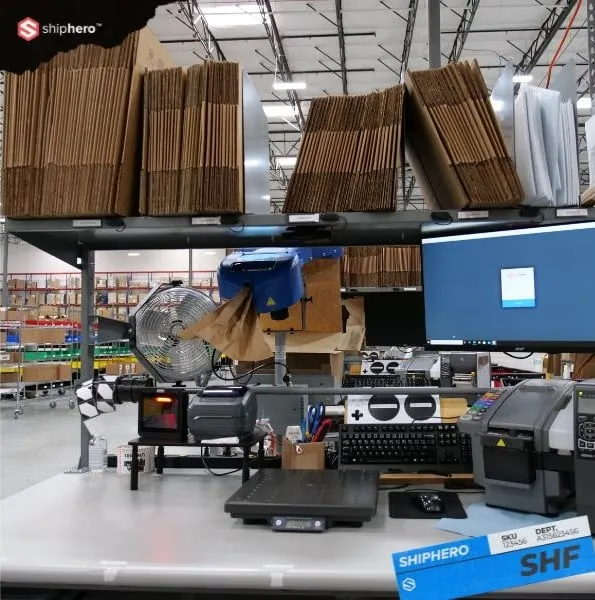
While B2B fulfillment caters to the needs of businesses, understanding the nuances of Direct to Consumer fulfillment can offer valuable insights into enhancing customer experiences even in a B2B model. Discover how blending elements from DTC fulfillment strategies can improve efficiency and customer satisfaction in B2B transactions.

Key Differences Between B2B and B2C Order Fulfillment

While B2B and B2C order fulfillment share some similarities, there are key differences that businesses need to be aware of.

One major difference is the order volume. B2B orders are often larger in quantity and value compared to B2C orders. This requires a different approach to inventory management and order processing.

Another difference lies in customer expectations. B2B customers usually expect personalized services, tailored pricing, and reliable delivery schedules. Meeting these expectations requires efficient communication and strong customer relationship management.

Lastly, the complexity of B2B fulfillment is often higher due to factors like order customization, multiple shipping locations, and special packaging requirements. B2B fulfillment providers need the infrastructure and capabilities to handle these complexities.

How does the B2B Fulfillment Process Work?

The B2B fulfillment process involves several key steps.

Once the orders are received, they are processed and entered into the fulfillment system. This includes checking inventory levels, verifying payment, and ensuring order accuracy.

Next, the products are picked from the warehouse shelves or manufacturing facility and prepared for shipment. They’re packaged securely and labeled appropriately.

The packages are then handed over to the shipping carrier for delivery. The B2B fulfillment provider tracks the shipment and provides updates to both the business and the customer.

Upon delivery, the customer inspects the products and confirms receipt. The B2B fulfillment provider's customer service team handles any issues or returns.

What to Look for in a B2B Order Fulfillment Service

When choosing a B2B order fulfillment service, there are several factors to consider.

Firstly, assess their track record and experience in handling B2B fulfillment. Look for case studies or testimonials from existing clients to gauge their reliability and performance.

Secondly, evaluate their technology infrastructure. A modern and robust fulfillment system can streamline operations, improve efficiency, and provide real-time visibility into order and inventory status.

Additionally, consider their warehousing and distribution capabilities. Do they have strategically located warehouses that can reach your customers in a timely manner? Are their warehouses equipped with advanced inventory management technology?

Lastly, evaluate their customer service and communication channels. A responsive and proactive team can help resolve issues quickly and keep your customers satisfied.

Ways to Improve the B2B Fulfillment Process

To enhance the B2B fulfillment process, consider implementing the following strategies:

  1. Automate order processing: Use technology to streamline order processing, reduce manual errors, and improve efficiency. Automating the order processing and optimizing shipping are key to improving B2B fulfillment efficiency. Learn about the role of ecommerce shipping software in streamlining these processes, offering scalable solutions that adapt to your business needs.
  2. Implement inventory management systems: Onboard inventory management software to optimize stock levels, prevent stockouts, and improve order accuracy.
  3. Optimize packaging and shipping: Invest in packaging materials that protect products during transit and work closely with shipping carriers to negotiate favorable rates.
  4. Focus on customer satisfaction: Provide exceptional customer service, communicate transparently, and proactively address any issues that arise.
  5. Continuously monitor and analyze performance: Use key performance indicators (KPIs) to measure and improve all aspects of your fulfillment process and the customer experience.

Key Takeaways

In conclusion, B2B fulfillment and shipping is a complex yet crucial process for businesses. Outsourcing to a reliable B2B fulfillment service can bring numerous benefits, such as improved efficiency, lower shipping costs, and enhanced customer satisfaction.

Remember that B2B fulfillment differs from B2C fulfillment in terms of order volume, customer expectations, and complexity. Understanding these differences is vital to ensuring a smooth fulfillment process.

When selecting a B2B order fulfillment service, consider factors like track record, technology infrastructure, warehousing capabilities, and customer service.

To improve the B2B fulfillment process, focus on automation, inventory management, packaging optimization, customer satisfaction, and performance monitoring.

A banner for the footer of a blog that asks that for more information, you can contact us at ShipHero

Frequently Asked Questions

What is the difference between B2B and B2C fulfillment?

B2B fulfillment focuses on shipping orders between businesses, typically involving larger quantities and personalized services. B2C fulfillment, on the other hand, caters to individual consumers and smaller order sizes.

Can I handle B2B fulfillment in-house?

Yes, you can handle B2B fulfillment in-house, but it requires significant resources, expertise, and infrastructure. Outsourcing to a specialized B2B fulfillment service is often more cost-effective and efficient.

How can B2B fulfillment services help improve my supply chain?

B2B fulfillment services can optimize your supply chain by providing advanced inventory management, efficient order processing, strategic warehousing, and reliable shipping partnerships. This can lead to lower costs, quicker delivery times, and better customer experience.

Is B2B fulfillment only for large businesses?

No, businesses of all sizes can benefit from B2B fulfillment services. Even small and medium-sized enterprises can leverage the expertise and infrastructure of fulfillment providers to compete effectively in the B2B market.

Read more
Arrow icon
No items found.
Shiphero logo on a grey background
April 2, 2024

Top 5 Best Third-party Logistics (3PL) Companies

Many businesses turn to third-party logistics (3PL) companies for their shipping, warehousing, and fulfillment needs, but it can be overwhelming to choose the right 3PL provider for your business with so many available options. Any of these five 3PL companies would be a great place to start:

The Five Best 3PL Companies

  1. ShipHero: ShipHero is a comprehensive Warehouse Management System (WMS) designed to optimize eCommerce operations by simplifying picking, packing, and shipping processes. It boasts features like inventory management, order tracking, automation rules, and seamless integrations with major eCommerce platforms.
  2. For businesses operating in or expanding to the Canadian market, understanding the nuances of logistics in Canada is essential. Explore our insights on 3PL services in Canada to navigate the complexities of Canadian warehousing, shipping, and fulfillment strategies effectively.
  3. ShipBob: It offers top-notch fulfillment services aimed at helping direct-to-consumer eCommerce brands stay competitive by allowing them to focus on business growth and delivering exceptional customer experiences
  4. C. H. Robinson: C.H. Robinson stands out as a global logistics platform, offering comprehensive solutions across various industries.
  5. XPO Logistics: The company has a strong focus on utilizing proprietary technology to efficiently move goods through its network, emphasizing the de-risking of supply chains for companies​.
  6. UPS: United Parcel Service, Inc. (UPS), founded in 1907, has grown from a small messenger company to a Fortune 500 global shipping and supply chain management powerhouse.

If you know what a 3PL is and why you might need it, then you have five places to start your search. If you don’t know much about 3PLs, keep reading.

What are Third-party Logistics?

Third-party logistics refers to the outsourcing of logistics activities to a specialized company. These companies handle tasks such as transportation, warehousing, inventory management, and order fulfillment on behalf of their clients. By partnering with a 3PL provider, businesses can streamline their supply chain processes and focus on their core competencies.3PL companies offer a wide range of transportation services. They generally have a network of carriers and can negotiate favorable rates for shipping goods. By road, air, rail, or sea, these companies have the expertise to ensure that products reach their destination efficiently and on time. They also handle all the necessary documentation and customs clearance, taking the burden off the businesses.Warehousing is another crucial aspect of logistics that 3PL companies excel in. They have strategically located warehouses equipped with the latest technology and infrastructure to store goods safely and efficiently. These warehouses are often equipped with advanced inventory management systems that allow businesses to track their inventory in real-time. This ensures that businesses always have visibility into their stock levels and can fulfill customer orders promptly.Inventory management is a complex task that requires careful planning and execution. 3PL companies have dedicated teams that specialize in managing inventory. They use sophisticated software systems to track stock levels, monitor expiration dates, and optimize storage space. By outsourcing this function to a 3PL provider, businesses can minimize the risk of stockouts and reduce carrying costs.Order fulfillment is the final step in the logistics process, and 3PL companies play a crucial role in ensuring orders get delivered accurately and on time. 3PL companies often have efficient order processing systems in place to handle everything from picking and packing to labeling and shipping. With their expertise, businesses can provide their customers with a seamless and reliable order fulfillment experience.Overall, partnering with a 3PL provider offers numerous benefits for businesses. It lets the business tap into the expertise and resources of a specialized logistics company, optimize their supply chain, and improve customer satisfaction. By outsourcing logistics activities, businesses can focus on their core competencies and gain a competitive edge in the market.If you're new to the concept of third-party logistics and curious about the breadth of services they offer, our comprehensive overview on 3PL services breaks down everything from warehousing to order fulfillment, equipping you with the knowledge to make informed decisions.

Overview of 3PL Companies

3PL companies come in all shapes and sizes, offering a wide range of services to cater to different business needs. While some 3PL providers specialize in specific industries or regions, others offer comprehensive solutions that can be tailored to any business. The top 5 best 3PL companies on our list have proven track records, extensive networks, and a reputation for delivering exceptional results.

What Kinds of Businesses Use 3rd Party Logistics Companies?

eCommerce businesses, retailers, manufacturers, and distributors are among the industries that commonly use 3PL providers. Startups and small businesses often choose 3PL companies to handle their logistics needs so they themselves can focus on growth and core competencies. Larger corporations also benefit from outsourcing logistics tasks; they can streamline their operations and gain access to specialized expertise. Startups and small businesses often face unique challenges in logistics and supply chain management. Dive deeper into how a 3PL can be a game-changer for small businesses by visiting our detailed guide on 3PL services for small businesses, offering insights to streamline your operations and focus on growth.

Core Competencies of 3PL Providers

The top 5 best 3PL companies mentioned above excel in certain core competencies that set them apart from their competitors. These core competencies include:

  1. Extensive network and transportation capabilities
  2. Advanced technology and tracking systems
  3. Efficient warehousing and inventory management
  4. Excellent customer service and communication
  5. Customizable solutions tailored to specific business needs

Fulfillment Centers & Warehousing Locations

When choosing a 3PL provider, it is crucial to consider their fulfillment center locations and warehousing capabilities. The top 5 best 3PLs above have strategically located warehouses across the country, allowing for faster and more cost-effective shipping. These companies have invested in state-of-the-art warehousing facilities that prioritize efficiency, security, and scalability.

Sales Channels & eCommerce Platforms Supported by 3PLs

eCommerce businesses rely heavily on effective supply chain management to ensure timely order fulfillment. The top 5 best 3PL companies integrate seamlessly with popular eCommerce platforms such as Shopify, WooCommerce, and Amazon. They also support multiple sales channels, including marketplaces like eBay and social media platforms. By leveraging the capabilities of these 3PL providers, eCommerce businesses can enhance their customer experience and boost sales.

Customer Satisfaction with 3PL Companies

When selecting a 3PL provider, consider their track record of customer satisfaction. The top 5 best 3PL companies have a proven history of delivering a high level of service and exceeding customer expectations. They have earned positive reviews and testimonials from their clients, showcasing their commitment to excellence.

How to Get Started with a 3PL Service

If you decide to partner with a 3PL provider, the onboarding process is generally straightforward. It typically involves:

  1. Evaluating your logistics needs and goals
  2. Researching and shortlisting potential 3PL companies
  3. Contacting the selected companies and discussing your requirements
  4. Requesting and reviewing proposals
  5. Selecting the best-fitting 3PL provider for your business
  6. Signing the necessary agreements and contracts
  7. Collaborating with the 3PL company to set up systems and processes

By following these steps, you can start leveraging the benefits of 3PL services and optimizing your supply chain management.

Mistakes to Avoid When Choosing a 3PL Provider

While selecting a 3PL provider, avoid these common mistakes that can lead to poor service or unsatisfactory results:

  • Not thoroughly researching the reputation and track record of the 3PL company
  • Choosing a provider solely based on cost, without considering the quality of service
  • Overlooking the compatibility of the provider's technology with your existing systems
  • Not clearly communicating your business requirements and expectations
  • Entering into long-term contracts without a trial or pilot period

By being aware of these common mistakes, you can make an informed decision and select a reliable and suitable 3PL provider.

Understanding the Pricing Structure of 3PLs

The cost of 3PL services can vary depending on the volume of shipments, storage requirements, and the complexity of logistics operations. 3PL providers typically use a pricing structure that includes fixed costs like warehousing fees, and variable costs based on the services used. Carefully review the pricing details provided by potential 3PL providers so you know it aligns with your budget.

A banner for the footer of a blog that asks that for more information, you can contact us at ShipHero

Key Takeaways

In conclusion, partnering with a reputable 3PL company can significantly optimize your supply chain and enhance your overall business operations. The top 5 best 3PL companies stand out due to their extensive networks, advanced technology, superior customer service, and customizable solutions. When choosing a 3PL provider, consider factors such as industry expertise, technology capabilities, and customer satisfaction. By avoiding common mistakes and understanding the pricing structure, you can make an informed decision and select the right 3PL provider for your business.

Frequently Asked Questions

What does 3PL stand for?

3PL stands for Third-Party Logistics. It refers to the outsourcing of logistics and distribution by companies to third-party firms that specialize in warehousing, transportation, and fulfillment services. These third-party providers manage all or a significant portion of a company's logistics functions, allowing businesses to focus on other areas without the need for extensive logistics infrastructure or expertise.

Is it necessary to use a 3PL company?

While it is not mandatory, utilizing a 3PL company can provide numerous benefits, particularly for businesses that require efficient supply chain management.

How do I choose the right 3PL provider for my business?

Consider factors such as reputation, industry expertise, technology capabilities, and customer satisfaction when selecting a 3PL provider. Additionally, ensure their services align with your specific business needs.

Read more
Arrow icon
WMS
3PL Warehouse Management
Shiphero logo on a grey background
March 13, 2024

Fixes & Features, March 2024

Welcome to the monthly ShipHero Fixes & Features email. Our Product Team has been working hard to bring several new and impactful fixes and features to life.

New Features for February 2024

Early Access - Rate Shop+

Have you tried RateShop+ yet? It’s the newest way to get the cheapest rates with the best service level based on your parameters! Plus, we’ve added extra features like weighting different methods and carriers. Do you get cashback on your credit card when you use carriers like USPS, FedEx, or UPS? You can capitalize on this kind of incentive by weighting these carriers, ensuring they are always the cheapest method for specific service levels.Find out more about RateShop+ in our Knowledge Base. The feature is currently available to all current WMS clients for free!

A little announcement!

ShipHero’s Software Customer Support Team has been recognized as a Finalist for the Customer Service Department of the Year by the Stevie Awards. We are so excited to share this news with you. Awards will be given out next month, however, there is still time for us to gain some momentum in the People’s Choice category! By clicking below you can cast your vote for ShipHero. Thank you for your support. Vote for ShipHero here!

New Fixes for February 2024

  • Fixed an issue where products were not showing up in the Replenishment Report
  • Fixed an issue from Purchase Orders where 'Receive as expected' was not working (Timing out)
  • Fixed an issue from Wholesale showing the error 'force_shipment_id' only supported for return print labels
  • Fixed an issue with Work Orders having Inventory discrepancies for assembly SKU
  • Fixed an issue where the Packer report was timing out
  • Fixed an issue where FedEx was failing to generate a return
  • Fixed an issue where the inventory location was not deducting from the correct location in Wholesale
  • Fixed an issue with PostHero where Delivered orders were not showing up as Delivered
  • Fixed an issue with Bulk Ship where Wholesales labels were added to bulk ship batch PDFs
  • Fixed an issue that when counting an unexpected SKU, we were not assigning the bin
  • Fixed an issue with Wholesale where the Shipped quantity was shown as 0 on Reports
  • Fixed an issue from Bulk Edit that when Downloading Products CSV some fields were empty
Read more
Arrow icon
No items found.
Shiphero logo on a grey background
February 13, 2024

Fixes & Features, February 2024

Welcome to the monthly ShipHero Fixes & Features email. Our Product Team has been working hard to bring several new and impactful fixes and features to life.

New Features for January 2024

Rate Shop+

Have you heard about one of our newest features, Rate Shop+? Gain more control over the shipping methods you use when calculating the cheapest method to use. This includes:

  • Defining which methods should be included in the calculation
  • Setting a rating factor for each method
  • Setting a maximum delivery time for each method

This feature is currently available by reaching out to the Customer Support team. We're offering a 30-day trial to those interested in trying it out. Reach out to your Account Team today!

Lot Details in Inventory Change Log

We now record and show lot details as part of the inventory change log. Ask your Account Team for more details.

New Fixes for January 2024

  • Fixed an issue where 3PL accounts were not recognizing the Lot tracking flag on the Child accounts
  • Fixed an issue where Product were not being marked as a kit when the components were being added by CSV
  • Fixed an issue where line items were not displaying on Shipping DOT
  • Fixed an issue for WooCommerce stores where we were not sending "completed" status when shipped in ShipHero
  • Fixed an issue with NZPost where we were sending customs doc as null
  • Fixed an issue with FedEx International printing 0 cost label
  • Fixed an issue where Instagram & Facebook orders were being auto fulfilled
  • Fixed an issue where Low Stock Notification was not triggered
  • Fixed an issue where we were not removing the correct amount of products with partially picked orders
  • Fixed an issue where Transfer Order was Timing Out when Auto-Adding all Products from Primary Warehouse
  • Fixed an issue with Shopify where Line Items fulfilled outside ShipHero were marked as canceled in SH
  • Fixed an issue where USPS labels were printing with bad format for orders shipped to military addresses APO/FPO/DPO
  • Fixed an issue with Purchase Orders where Auto Adding products was not working
  • Fixed an issue with Shipped Items V2 report not showing all data
  • Fixed an issue with Shopify POS with Build Kits not deducting inventory from components
Read more
Arrow icon
No items found.
Shiphero logo on a grey background
January 15, 2024

Fixes & Features, January 2024

Welcome to the monthly ShipHero Fixes & Features email. Our Product Team has been working hard to bring several new and impactful fixes and features to life.

See ya later 2023! Hello to 2024!

Another Peak Season in the Books!

Just like your teams, ShipHero was busy during Peak keeping everything running as smoothly as possible! We have big plans and big updates coming for 2024, but we also wanted to share some of the awesome stats we saw during Peak 2023!

  • 26% more packages shipped this year than 2022
  • 11,206,478 labels generated (4.3/second)
  • 25,043,577 units picked into a tote (9.6/second)
  • 165,709 bulk ship batches
  • 0 downtime

Big Changes Coming in Customer Support

We wanted to let you know that we also got some big, positive changes happening in Customer Support for 2024 that we know you’ll love! We’ll be sharing more details soon, so stay tuned!

New Fixes for December 2023

  • Fixed an issue in the orders dashboard that was showing all warehouses when filtering it by specific
  • Fixed an issue with CSV upload getting stuck
  • Fixed an issue where Passport was showing an error of weight cannot be less than 0.01
  • Fixed an issue with Passport where we were sending incorrect quantity information about shipments
  • Fixed an issue where Wholesales labels were added to bulk ship batch PDFs
  • Fixed an issue when shipping kits some components were still showing as allocated after the shipment
  • Fixed an issue with Manifest taking a long time to create
  • Fixed an issue where the tracking url was not working for Shippo BTS
  • Fixed an issue where customers could not create returns for orders with SKUs that do not exist in ShipHero
  • Fixed an issue with Workflow Orders where Customization could not be completed
  • Fixed an issue with 3PL Billing where some ad-hocs were zeroed out after recalculating a bill
  • Fixed an issue with WooCommerce where we were pushing the correct quantity, but the store was showing a different amount
  • Fixed an issue with Returns where Refunds were not saved and causing double refunds
  • Fixed an issue from the Hero Board where “Live Shipping Board” was not showing some Pickers or Packers
Read more
Arrow icon
No items found.
Shiphero logo on a grey background
December 8, 2023

Imported item 8

# Shipping Software for E-commerce PackagesAre you tired of spending countless hours managing your e-commerce packages and dealing with the hassle of shipping? Look no further than shipping software. In this article, we will explore why shipping software is essential for e-commerce businesses, the benefits it brings to the table, key features to look out for, and how to choose the right software for your specific needs.## Why Do You Need Shipping Software?Shipping software is a game-changer for e-commerce businesses. It streamlines your order fulfillment process and enhances the overall customer experience. But why do you really need it?Well, let's take a closer look at the benefits of using shipping software for e-commerce businesses.### Benefits for E-commerce BusinessesE-commerce businesses rely heavily on shipping to deliver products to customers. With shipping software, you can accomplish this in a more efficient and cost-effective manner, allowing you to focus on growing your business. Let's dive into some key benefits of using shipping software.**1. Automated Order Processing:** One of the biggest advantages of shipping software is its ability to automate the order processing workflow. Instead of manually entering shipping details for each order, the software can automatically import order information from your e-commerce platform and generate shipping labels, saving you valuable time and reducing the risk of errors.**2. Real-Time Shipping Rates:** Shipping software integrates with major shipping carriers, such as USPS, FedEx, and UPS, allowing you to access real-time shipping rates. This enables you to provide accurate shipping costs to your customers during the checkout process, increasing transparency and reducing the chances of unexpected shipping fees.**3. Shipping Label Generation:** With shipping software, you can easily generate shipping labels in bulk. This feature is particularly useful for businesses that deal with a high volume of orders. You can print multiple labels at once, saving you from the tedious task of individually creating labels for each package.**4. Shipment Tracking:** Shipping software provides you and your customers with real-time shipment tracking information. You can easily track the status of each package, ensuring that it reaches its destination on time. This visibility not only helps you manage customer expectations but also allows you to proactively address any potential delivery issues.**5. Cost Savings:** By using shipping software, you can compare shipping rates from different carriers and choose the most cost-effective option for each shipment. This can result in significant cost savings, especially for businesses that ship large volumes of products. Additionally, the automation provided by shipping software reduces the need for manual labor, further reducing operational costs.**6. Improved Customer Experience:** Efficient and reliable shipping is crucial for a positive customer experience. With shipping software, you can streamline your order fulfillment process, ensuring that orders are processed and shipped quickly. Real-time tracking information also allows customers to stay informed about the status of their shipments, enhancing their overall satisfaction with your business.**7. Scalability:** As your e-commerce business grows, shipping software can easily scale with your needs. Whether you're shipping a few packages a day or thousands, shipping software can handle the increased volume without compromising efficiency or accuracy.In conclusion, shipping software offers numerous benefits for e-commerce businesses. From automated order processing to cost savings and improved customer experience, it is a valuable tool that can help you streamline your shipping operations and drive the success of your business.## Streamlining Order FulfillmentGone are the days of manually processing orders and printing shipping labels one by one. Shipping software automates this process, saving you time and effort. You can easily import orders from your e-commerce platform and batch-process them. Whether you have ten or a thousand orders, the software takes care of it all.But what exactly does automated order fulfillment entail? Let's dive deeper into the benefits and features of this innovative solution.One of the key advantages of using shipping software is the ability to quickly generate and print shipping labels, invoices, and packing slips. Instead of spending hours manually inputting customer information into various documents, the software seamlessly integrates with your e-commerce platform, pulling all the necessary data with just a few clicks. This not only speeds up your operations but also reduces errors and eliminates the need for manual data entry.Furthermore, shipping software allows you to customize your shipping labels, invoices, and packing slips to reflect your brand identity. You can add your logo, choose specific fonts and colors, and even include personalized messages for your customers. This level of customization not only enhances the professionalism of your packaging but also helps establish a memorable brand experience.Another significant benefit of automated order fulfillment is the ability to streamline your shipping process. The software automatically selects the most cost-effective shipping carrier based on factors such as package weight, destination, and delivery timeframe. This ensures that you're always getting the best shipping rates without the hassle of manually comparing rates from different carriers.Additionally, shipping software provides real-time tracking information for both you and your customers. You can easily monitor the status of each shipment, ensuring that everything is on track and delivered on time. This level of transparency not only improves customer satisfaction but also allows you to proactively address any potential issues that may arise during the shipping process.Lastly, shipping software often integrates with inventory management systems, allowing you to keep track of your stock levels in real-time. This ensures that you never oversell a product and helps you plan for restocking in a timely manner. By having a holistic view of your inventory and order fulfillment process, you can make informed decisions to optimize your operations and reduce costs.In conclusion, automated order fulfillment through shipping software offers numerous benefits for businesses of all sizes. From saving time and reducing errors to enhancing brand identity and improving customer satisfaction, this innovative solution revolutionizes the way you handle your order processing and shipping operations.## Enhancing Customer ExperienceShipping is a crucial touchpoint in the customer journey. When done right, it can leave a lasting positive impression on your customers. Shipping software provides real-time tracking updates, allowing your customers to keep an eye on their packages from the moment they are shipped until they arrive at their doorstep.Furthermore, shipping software allows you to brand your shipping experience. You can customize shipping labels with your company logo, include personalized thank-you notes, and even offer package tracking pages with your branding. This attention to detail can help you foster a strong customer relationship and build a loyal customer base.## Key Features of Shipping SoftwareNow that we understand why shipping software is essential let's take a closer look at the key features you should consider when choosing the right software for your e-commerce business.### Automation and BatchingEfficiency is the name of the game when it comes to shipping software. Look for software that can automate order import and processing, as well as batch-processing capabilities. This will save you valuable time and effort.### Integrations with E-commerce PlatformsMake sure the shipping software integrates seamlessly with your e-commerce platform. This ensures that orders flow smoothly from your website or marketplace to the software, eliminating any manual work or errors.### Real-time Tracking UpdatesCustomers love to track their packages. Make sure the shipping software provides real-time tracking updates that can be easily shared with your customers. This gives them peace of mind and reduces customer inquiries about the status of their orders.### Branding Your Shipping ExperienceCustomization is key. Look for shipping software that allows you to customize your shipping labels, packing slips, and invoices. This helps to reinforce your brand identity and create a memorable unboxing experience for your customers.### Finding the Lowest Shipping RateShipping costs can eat into your profits. Look for software that provides you with various shipping options and helps you find the lowest rates. This allows you to save money without compromising on the quality and speed of your delivery.### Multi-Carrier Options and FlexibilityChoose shipping software that supports multiple carriers. This gives you the flexibility to choose the most suitable carrier for each shipment, based on factors like destination, size, weight, and delivery speed. The ability to switch carriers easily can help you optimize costs and meet customer expectations.## How to Choose the Right Shipping SoftwareChoosing the right shipping software can be overwhelming with so many options available. To make things easier, consider the following factors:### Evaluating Features and IntegrationsLook for software that offers the key features we discussed earlier. Additionally, ensure it integrates seamlessly with your current systems and e-commerce platform. This will ensure a smooth transition and eliminate any disruptions to your workflow.### Considering Shipping Volume and Business SizeEvery business is unique, and your shipping software should cater to your specific needs. Consider your shipping volume, the number of orders you process daily, and whether you plan to scale your business in the near future. Make sure the software can handle your current volume and accommodate future growth.### Assessing Support and User ReviewsGood customer support is crucial in the world of shipping software. Look for a provider that offers prompt and reliable support. Additionally, read user reviews and ratings to get a sense of other businesses' experiences with the software. This will help you make an informed decision and avoid any potential pitfalls.## Key TakeawaysShipping software is a must-have for e-commerce businesses. It streamlines order fulfillment, enhances the customer experience, and brings a host of benefits to your operations. Look for software that offers automation, integrates with your e-commerce platform, provides real-time tracking updates, allows customization, finds the lowest shipping rates, and offers flexibility with multi-carrier options.## Frequently Asked Questions### How Does Shipping Software Integrate with E-commerce Platforms?Shipping software integrates with e-commerce platforms by connecting directly to your platform through APIs or plugins. This allows for seamless flow of orders, customer information, and inventory data between your e-commerce platform and the shipping software.### Can Shipping Software Help in International Shipping?Absolutely! Shipping software can help you navigate the complexities of international shipping. It can generate the necessary customs forms, provide accurate shipping rates, calculate duties and taxes, and even handle international returns. This makes international shipping easier and more cost-effective for your business.### What are the Cost Implications of Using Shipping Software?The cost of shipping software varies depending on the provider and the specific features you require. However, it's important to note that shipping software can save you money in the long run. By optimizing your shipping operations, finding the lowest rates, and eliminating manual errors, shipping software can contribute to cost reduction and increased profitability for your e-commerce business.In conclusion, shipping software is a powerful tool that can revolutionize your e-commerce operations. It streamlines order fulfillment, enhances the customer experience, and saves you valuable time and money. By choosing the right shipping software, you can take your e-commerce business to new heights of efficiency and success. Don't wait any longer - start exploring your options and find the perfect shipping software for your needs today!

Read more
Arrow icon
No items found.
No results.