
.svg)

Understanding the world of eCommerce requires a keen focus on its intricate elements. One such crucial element is product catalog management. Delve deeper into its importance and know how to effectively implement it. What is eCommerce Product Catalog Management? Just as organizing a pantry is essential for finding

.svg)
Understanding the world of eCommerce requires a keen focus on its intricate elements. One such crucial element is product catalog management. Delve deeper into its importance and know how to effectively implement it.
Just as organizing a pantry is essential for finding items easily, managing an eCommerce product catalog ensures potential customers are not turned away due to clutter. The dynamic nature of the eCommerce world demands a current and updated product catalog. The task is akin to a centralized database, diligently maintaining a comprehensive database and regularly updating based on customer data and market insights.
Catalog management involves creating, organizing, maintaining, and updating product listings and details on an eCommerce platform. A systematic process, it amplifies sales by presenting the brand's range effectively. A well-organized catalog management tool not only attracts more customers but enables them to make well-informed purchasing decisions. It’s especially helpful in rounding up your inventory position. Read more about it here.
To thrive online, robust eCommerce Catalog Management is indispensable. It ensures product data remains consistent, up-to-date, and accurate across all sales channels, thereby enhancing the customer experience. It is the bridge between efficient order processing and a seamless shopping experience.
The choice of software should resonate with the retailer's needs, challenges, and budget.
Several challenges exist:
Enhancing catalog management involves using across multiple channels and strategies:
AI and Machine Learning are changing the way catalogs and ecommerce businesses are managed. They help with quick and automatic data entry, eliminating manual errors. More than that, these technologies can predict shopping trends. This means they can suggest how products should be displayed or even what prices might work best, based on historical data and current market conditions. AI can also help sort and categorize products in ways that make the most sense for shoppers.
Visual assets aren't just images. They're the face of the products in a catalog. Clear and high-quality visuals on product pages can grab a customer's attention instantly. Videos or 3D views give an even better feel of the product, almost like seeing it in person. With the right visuals, customers can better understand a product's features, size, and benefits. It's a direct boost to their confidence in making a purchase.
When customers shop, they often rely on others' experiences. That's where reviews come in. In a product catalog, feedback and reviews can provide genuine insights about products, from durability data quality to fit or functionality. These reviews help new customers make choices. For businesses, these comments are a goldmine. They can learn what's working and what needs improvement. Plus, when a business responds to feedback, it shows customers that their voice matters.
The world is shifting mobile. Many customers prefer shopping on their phones because it's convenient. If a product catalog doesn't look or work well on a phone, it can frustrate customers, leading to lost sales. Mobile-responsive online catalogs adjust to any screen size, making sure images, texts, and buttons are clear and easy to use, no matter the device.
When customers shop, they might not always know about related products or even better versions of what they're looking at. That's where cross-selling and upselling come in. In catalogs, if someone is looking at a laptop, cross-selling might show them a laptop bag. Upselling, different sales channels, on the other hand, might show them a higher-end laptop with better features. Both strategies can boost sales by offering more value to the customer.
Security isn't just a nice-to-have; it's a must. Every time a customer of online store shops, they trust the catalog with their personal and payment information. A secure catalog ensures this data is safe from threats and breaches. It builds trust, and customers know they can shop without worries.
Effective catalog of data management remains paramount with the evolution of eCommerce. Incorporating best practices and keeping updated with trends is crucial.
Brands significantly influence product catalog data management, dictating product listing appearances and affecting purchasing decisions.
There's a plethora of online resources, from guides to software, assisting in the catalog and digital asset management journey.
Effective catalog management transcends merely listing products. It involves resonating with shoppers, using inventory levels ensuring accuracy, and delivering a seamless shopping experience. Prioritizing this will inevitably set retailers apart in the growing world of eCommerce. If you found value in this article, you should also ready our deep dive on SKUs here.
Ensuring product consistency and optimizing customer experience.
Analytical and communication skills, along with platform familiarity.
From printed to digital, retailer-specific, and B2B


.webp)
Explore the top 3PL companies in Canada and learn how third-party logistics providers play a vital role in optimizing supply chains. Discover the benefits of partnering with a 3PL, key services offered, and steps to start working with a 3PL in Canada.
.svg)
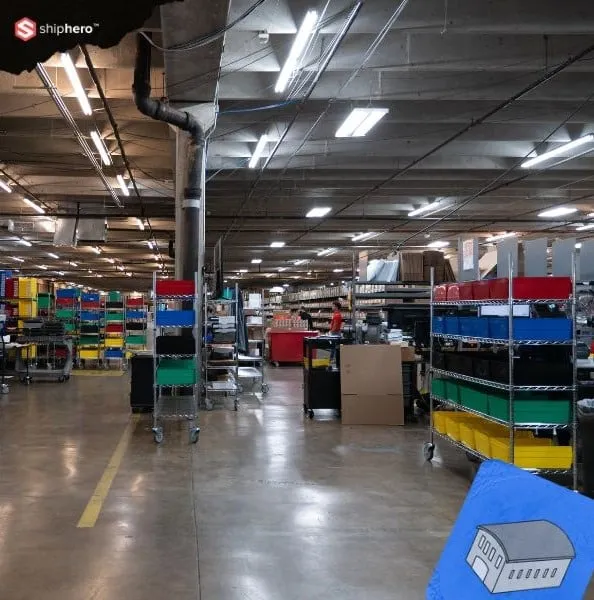
Discover the top 5 best third-party logistics (3PL) companies for your business needs, offering extensive networks, advanced technology, and superior customer service. Learn about the benefits of 3PL services, how to choose the right provider, and avoid common mistakes.

Discover the role, benefits, key features, requirements, and implementation of a 3PL Warehouse Management System (WMS) for optimizing warehouse operations. Learn about scalability, integration, real-time visibility, and customization options to choose the best solution for your business.

On September 1, 2026, Descartes Systems Group announced its acquisition of Extensiv for approximately $120 million. What was announced, what usually follows deals like this, and the questions Extensiv customers should put to their vendor before renewal.




.svg)



.webp)