
.svg)

Understand the key differences between inventory control and inventory management to enhance your operational strategy.

.svg)
Ever wondered why some businesses seem to always have the right products in stock while others struggle with empty shelves or overflowing inventory? The answer lies in understanding inventory control vs inventory management. Both of them are necessary for businesses to thrive, but they serve different roles in optimizing operations.
Inventory control and inventory management are often used interchangeably, despite their distinct roles. In this guide, we’ll clarify how these two concepts differ, how they complement each other, and how you can leverage both to streamline your processes and boost efficiency.
Inventory control refers to the process of managing the movement and storage of inventory to make sure that a business has the right amount of stock at the right time. This involves tracking inventory levels, organizing storage, and maintaining a balance between demand and supply.
The goal of inventory control is to minimize waste, reduce holding costs, and avoid both stockouts (when stock runs out) and excess inventory. It also ensures product visibility at every stage.
For example, an eCommerce business sells handmade candles. The business owner uses an inventory control system to track how many candles are in stock. The owner also organizes the storage of raw materials and finished products in clearly labeled bins, which improves accuracy and minimizes time spent searching for items.
That way, the business owner is able to monitor and organize his inventory properly.
Inventory management, on the other hand, is the broader strategy that encompasses all aspects of inventory oversight. It includes everything from purchasing and stocking to tracking inventory, fulfilling orders, and maintaining inventory levels.
A well-thought-out inventory management system (IMS) involves:
Inventory management is all about the processes that keep products moving smoothly from suppliers to the warehouse and, eventually, to the customer, which overall contributes to operational efficiency.
Now, the candle business owner uses a responsive inventory management system with demand forecasting to predict which products will be in high demand during the holiday season. Then, he coordinates this with the suppliers, based on this forecast.
Simply saying, it is the inventory strategy that you implement to ensure that the right products are ordered, stocked, and available for customers at the right time.
We know that the terms may sound similar, but they serve distinct functions. To make things clearer, let's break it down into key areas.
In short, inventory control focuses more on the physical aspects of warehouse management, while inventory management is the one that oversees the whole process.
Now, inventory management won’t work without inventory control and vice versa. These two systems work hand-in-hand to ensure smooth operations and strategic growth.
Here’s how.
Inventory control focuses on the day-to-day tasks, such as tracking stock levels in real time and managing the movement of goods in and out of the warehouse.
On the other hand, inventory management provides the strategic framework by aligning stock levels with business goals and customer demand, forecasting future demand, and planning for replenishment.
Inventory controlfeeds real-time data into inventory management, which helps improve overall stock accuracy, better predict demand, and optimize the reordering process.
Without it, inventory management would lack the necessary real-time insights, leading to inefficient decision-making and stock imbalances. Together, these systems ensure that you have enough stocks while balancing daily operations and long-term growth.
However, even with the best systems in place, both inventory control and inventory management come with their own set of challenges.
Keep on track with these challenges, so you’re one step ahead of the game.
So to say, inventory control and inventory management are easier to manage with technology. Look for features like real-time tracking, demand forecasting, sales channel integration, and detailed reporting.
But before picking a software, choose which type of inventory software solution matches your business needs:
If you’re looking for a comprehensive, scalable solution that delivers real-time performance and operational excellence, ShipHero can help you optimize your fulfillment process and drive business growth. It comes with native NetSuite integration, real-time synchronization, optimized pick routes, and robust analytics for scalability and operational excellence.
That way, you can streamline your operations and focus on what matters most, which is to grow your business.
Yes. Modern inventory software like ShipHero integrates both inventory control and inventory management systems. This integration allows seamless communication between the systems, which helps provide real-time updates and maintain accurate data.
It’s true that inventory control can function independently in a smaller business or simpler operations, but you need an inventory management strategy for long-term success, growth, and scalability.
Yes, inventory control can greatly reduce stock discrepancies by improving the tracking and monitoring of products. However, it’s most effective when supported by an inventory management strategy that handles forecasting, procurement, and sales.
.webp)
Discover the role, benefits, key features, requirements, and implementation of a 3PL Warehouse Management System (WMS) for optimizing warehouse operations. Learn about scalability, integration, real-time visibility, and customization options to choose the best solution for your business.
.svg)

Explore the top 3PL companies in Canada and learn how third-party logistics providers play a vital role in optimizing supply chains. Discover the benefits of partnering with a 3PL, key services offered, and steps to start working with a 3PL in Canada.
Discover the top 5 best third-party logistics (3PL) companies for your business needs, offering extensive networks, advanced technology, and superior customer service. Learn about the benefits of 3PL services, how to choose the right provider, and avoid common mistakes.
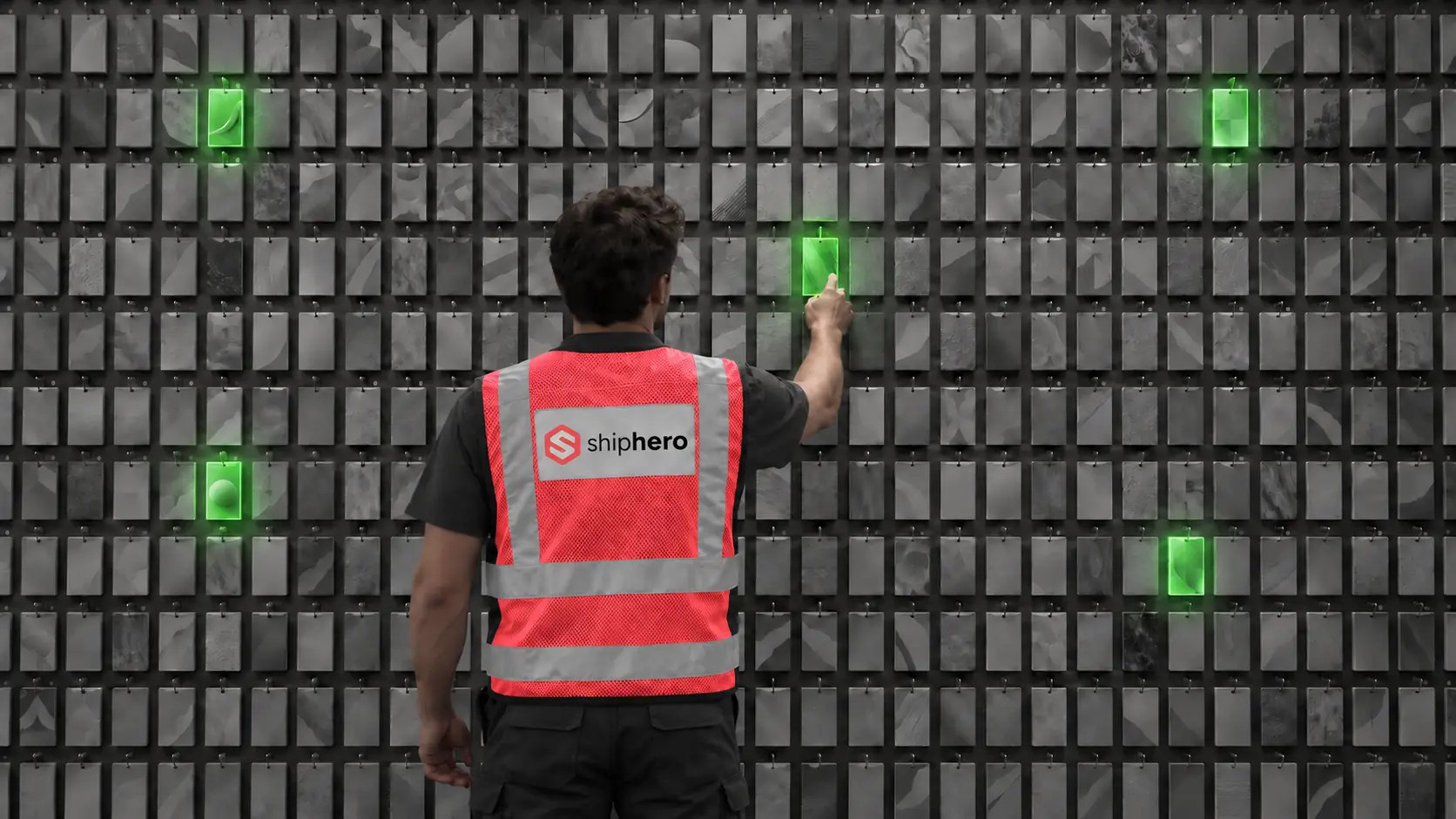
At the denser wall, average picking time per order fell from 40 seconds to 13, and orders that ran clean from start to finish rose from 18% to 97%. This is the companion to our Direct Pack + Pack-to-Light case study, from the same research.
On September 1, 2026, Descartes Systems Group announced its acquisition of Extensiv for approximately $120 million. What was announced, what usually follows deals like this, and the questions Extensiv customers should put to their vendor before renewal.



.svg)



.webp)