
.svg)

Learn what inventory replenishment means, why it matters for retailers, and effective strategies to maintain optimal stock levels.

.svg)
Ever had to tell a customer, “Sorry, we’re out of stock”?
Stockouts crush your customer satisfaction, hurt your brand reputation, and cost you money. On the flip side, holding onto piles of unsold inventory ties up cash and warehouse space. That’s where inventory replenishment comes in.
A well-run replenishment process ensures your best-selling products are always available, without overloading your shelves. It helps you stay efficient, meet demand, and run a smooth retail operation.
In this guide, we’ll walk you through what inventory replenishment is, the best techniques to use, how the process works, and how to optimize your inventory like a pro.
Inventory replenishment is the process of restocking products to maintain optimal inventory levels and avoid stockouts. For retailers, it’s the engine behind seamless order fulfillment and consistent product availability.
When done right, it ensures timely restocking to meet demand, prevents lost sales, and minimizes excess inventory costs that can erode profits.
Replenishment orders can be based on fixed schedules, real-time triggers, or predictive models, depending on your sales volume, product type, and the speed of fulfillment. But no matter your business size, a smart inventory system aligned with your warehouse operations can make or break your bottom line.
Inventory distortion from stockouts and overstocks cost retailers $1.7 trillion globally back in 2024, according to IHL Group. That’s more than the GDP of Australia.
That’s why implementing proper inventory replenishment techniques is critical for businesses. However, there’s no one-size-fits-all strategy. The right stock replenishment method depends on your product mix, sales patterns, and operational complexity.
But all good strategies have one thing in common: they aim to balance inventory control with demand forecasting.
Let’s explore some of the most effective inventory replenishment methods.
Demand forecasting uses historical sales data analysis, market trends, and seasonal spikes to predict what and when customers will make purchases. Retailers often utilize software solutions that integrate with point-of-sale systems and online storefronts to make accurate predictions.
This strategy aligns stock levels with sales forecasts and helps you calculate how much to reorder before it’s too late.
You want enough stock to meet demand without clogging up your shelves. To optimize your inventory, you need to perform forecasting, resource allocation, and track performance metrics such as inventory turnover rates. The goal is to minimize excess inventory costs while avoiding stockouts.
This method is simple: you order at set intervals weekly, biweekly, or monthly, regardless of current stock levels. It works well for small businesses or slower-moving products, but can be risky if demand suddenly spikes.
In this real-time approach, your system monitors stock thresholds for real-time adjustments. As soon as stock dips below a set point, it automatically triggers reorder processes. Perpetual methods often rely on barcode systems, RFID inventory management, and automation technology to stay up to date.
Here, your system calculates optimal reorder points using lead time and average demand. When stock hits the reorder point, it sends a replenishment signal. This method is especially useful for products with steady demand and predictable lead times.
Think of inventory replenishment as a loop: monitor, trigger, order, receive, update. Here’s how.
Smart retailers automate as many steps as possible to reduce errors and delays. A strong systems integration ensures real-time inventory visibility, syncing with platforms like Shopify or WooCommerce.
Keeping your shelves stocked isn't just about reordering when things run low. Several behind-the-scenes variables can significantly impact or hinder your replenishment process.
Here’s what can make or break your replenishment process:
Make sure to factor these into account to make sure that your inventory replenishment process works well for your business.
Once you’ve set up your processes well, your solid inventory replenishment system can lead to powerful benefits:
In essence, replenishment done right supports everything from storage optimization to profitability analysis.
To keep your inventory replenishment running smoothly, you need automated systems. Below are some tools that you can use for inventory replenishment:
Managing an inventory-focused replenishment system doesn’t have to be a manual, time-consuming headache. With a technology partner like ShipHero, retailers of all sizes can simplify and automate their replenishment process.
Here’s how ShipHero makes it easier to stay stocked and stress-free:
ShipHero provides the flexibility, efficiency, and accuracy you need to keep products moving, whether you're just getting started or shipping thousands of orders daily.
Yes. Small businesses may start with manual tracking, but as sales volume and inventory complexity increase, software becomes essential to maintain accuracy, streamline reordering, and avoid stockouts or overstocking.
Yes. Data-driven inventory replenishment aligns purchasing with actual demand, thereby reducing overstocking by avoiding unnecessary surplus and enhancing cash flow management.
Review inventory replenishment based on product turnover. Fast-moving goods should be reviewed daily. Standard goods may require weekly checks. Slow-moving or seasonal items can be reviewed on a monthly basis.
.webp)
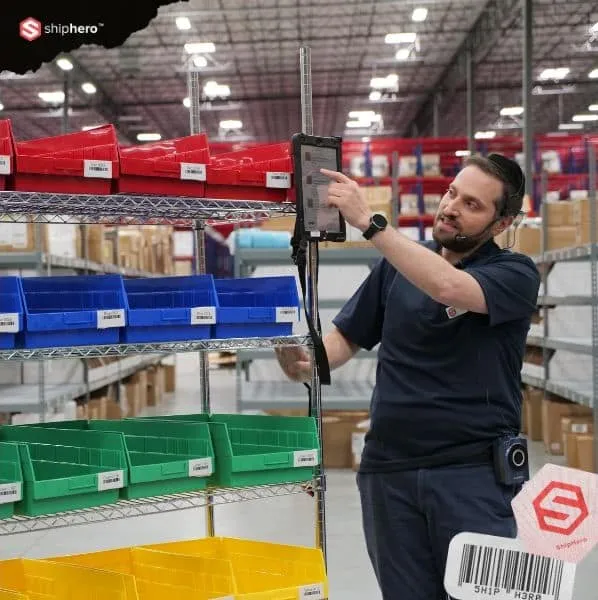
Discover the role, benefits, key features, requirements, and implementation of a 3PL Warehouse Management System (WMS) for optimizing warehouse operations. Learn about scalability, integration, real-time visibility, and customization options to choose the best solution for your business.
.svg)
Explore the top 3PL companies in Canada and learn how third-party logistics providers play a vital role in optimizing supply chains. Discover the benefits of partnering with a 3PL, key services offered, and steps to start working with a 3PL in Canada.
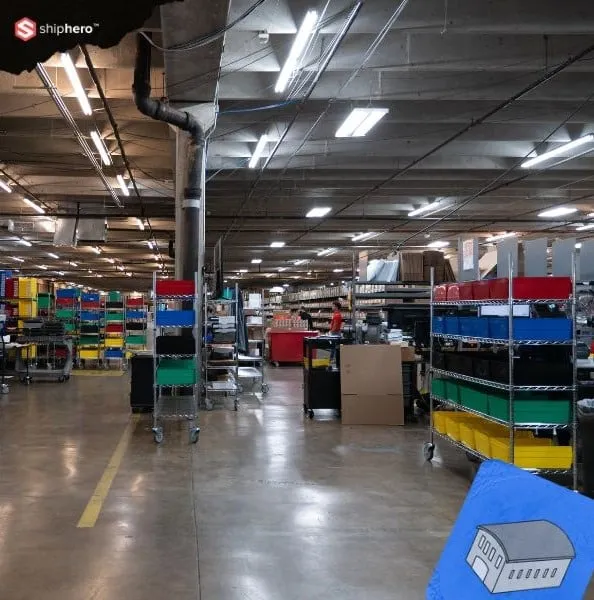
Discover the top 5 best third-party logistics (3PL) companies for your business needs, offering extensive networks, advanced technology, and superior customer service. Learn about the benefits of 3PL services, how to choose the right provider, and avoid common mistakes.
On September 1, 2026, Descartes Systems Group announced its acquisition of Extensiv for approximately $120 million. What was announced, what usually follows deals like this, and the questions Extensiv customers should put to their vendor before renewal.



.svg)



.webp)