
.svg)

Ah yes. The instant dopamine rush of seeing your name on that big, brown package sitting on your doorstep. You pick up the box and scurry inside, grab your trusty pair of scissors, open the box and… it’s not what you ordered. Dang. ShipHero - We Have a Full Range of Ecommerce Fulfillment Services to Handle Your
.svg)
Ah yes.
The instant dopamine rush of seeing your name on that big, brown package sitting on your doorstep. You pick up the box and scurry inside, grab your trusty pair of scissors, open the box and… it’s not what you ordered. Dang.
ShipHero - We Have a Full Range of Ecommerce Fulfillment Services to Handle Your Returns and Much More
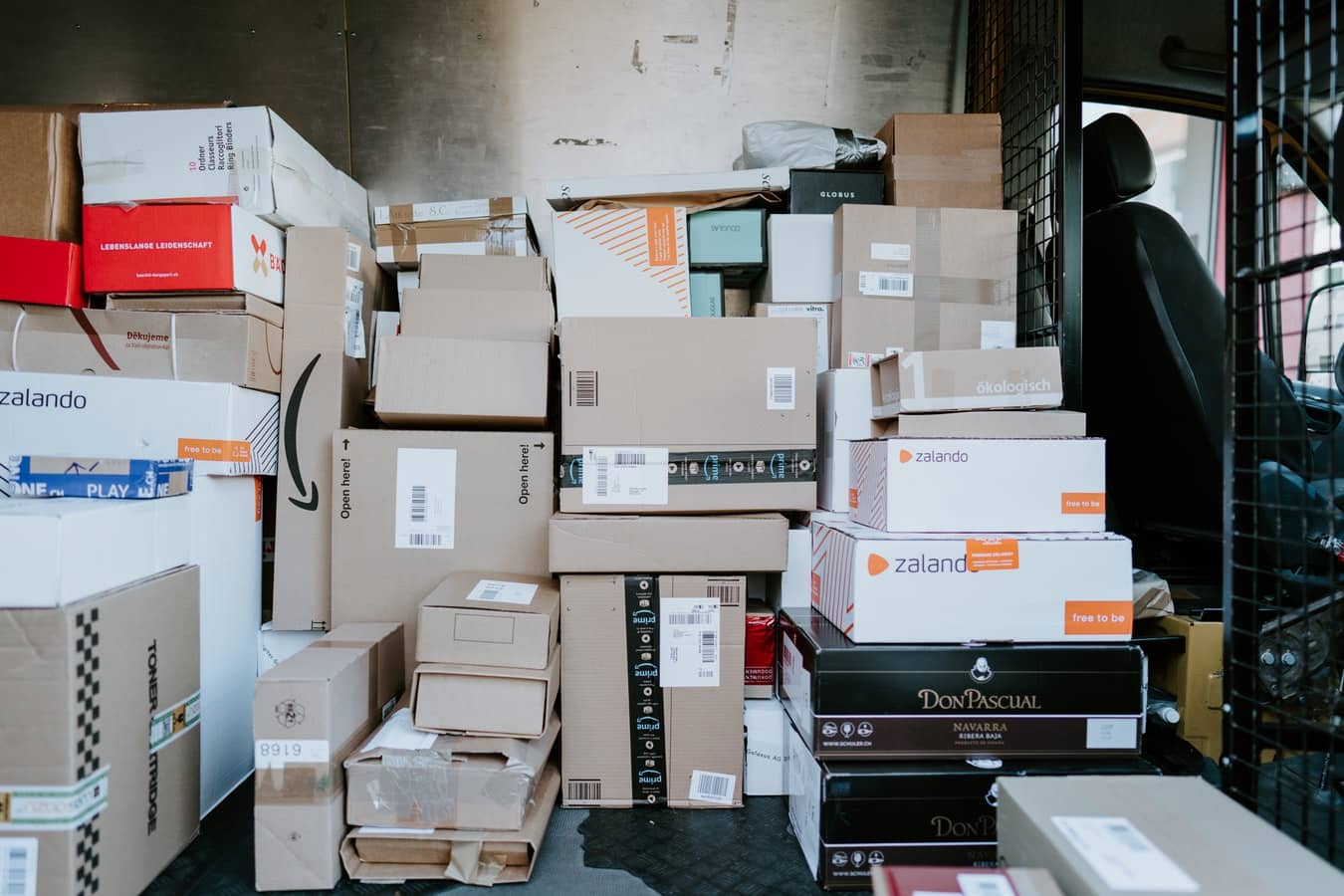
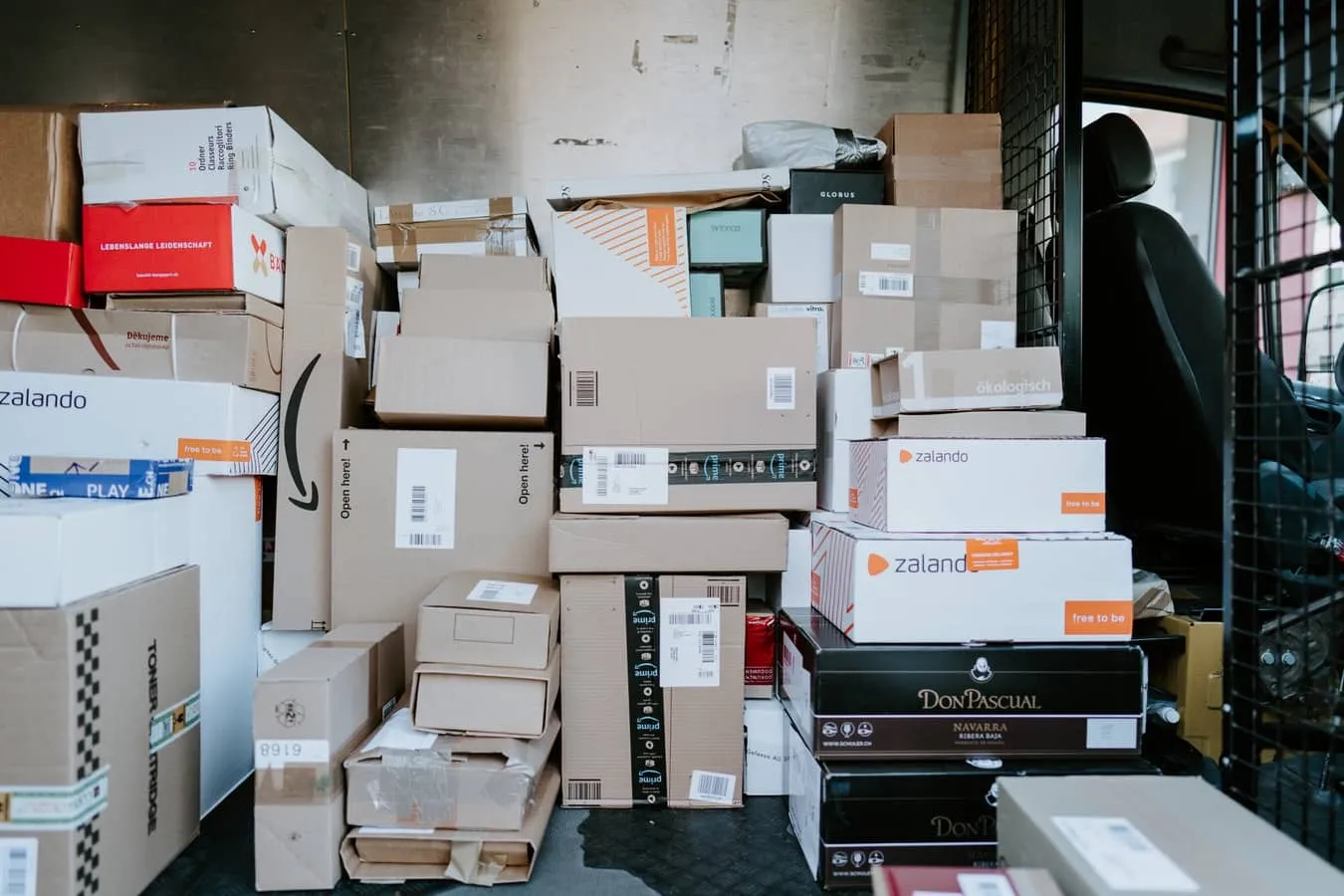
Is there a bigger frustration in the shopping experience than having to return an item? Long lines, obscure policies, unhelpful employees, and where the heck did you put that receipt?
And that’s just pre-COVID, back when you could go to the store and meet the perpetrators face-to-face.And what’s more, in the age of rising e-commerce sales where shopping, browsing and just about everything is done online, approximately 30% of orders are returned, which translates to 3 in every ten packages you can expect to return. This figure rises to a whopping 50% for clothing retail. Not only that, those percentages only account for when the shopper purchases items for themselves, not as a gift. Oh, and speaking of…
Black Friday Cyber Monday shopping is right around the corner, with most shoppers reporting to start shopping in October. 2020’s holiday season will smash ecommerce delivery records and with delivery companies like UPS, USPS and FedEx already strained or at capacity, let’s talk about the returns aftermath.
Online Returns
National Returns Day is January 2nd, so don’t forget to get your mailperson something nice.
In case you weren’t aware, National Returns Day is known as the day in which American shoppers return the highest amount of packages back to retailers. In fact, Reuters stated that “UPS estimated that it processed 1.9 million Christmas returns for U.S. retailers on National Returns Day 2020 (January 2, 2020), equating to a 26% year-over-year increase.”
When compared to purchases made in a traditional brick-and-mortar retail location, purchases made online are returned three times more frequently. The major cause of online returns stems from a disconnect between what is advertised online versus what is actually shipped to the consumer, and the main culprit seems to be issues with how the product is portrayed, such as low-quality images or incorrect size and style comparisons for clothing. In fact, discrepancies in sizing with each manufacturer are responsible for more than half of all customers that are returning clothing items due to a wrong size or fit.Considering that e-commerce sales revenue is growing 15 percent year over year, and the product return rate sits around 30 percent of sales, that leads to about 4 billion additional units that need to be delivered and shipped.
Considering the effects of the pandemic, with delivery companies already at capacity and demand only increasing, you would assume that this has an impact on what companies accept for returns. But, you can just return them for free, can’t you?
The Cost of Free Returns
We as consumers have come to expect relatively liberal return policies from our stores. With Amazon Free Returns, Walmart Free Returns, Nordstrom, and L.L. Bean all having notoriously generous return policies, almost 32% of shoppers in the US reported that they would forego an online purchase if there wasn’t an offer of free returns.
The process of preparing returned products to be sold further diminishes profit margins, and the term ‘Free Return’ comes with a lot of hidden costs, either tacked onto the price of goods by way of margins, or fronted by the retailer for competitive reasons.
In order to successfully reduce the adverse effects that returns have on your e-commerce business without taking the margins hit of ‘Free Returns’, you need to know why, when, and how customers return items, especially during these uncertain times. This is where reverse logistics supply chain capabilities are able to help your business maintain inventory, reduce operational costs, and provide your customers with a phenomenal return experience. So, what is reverse logistics?
Reverse Logistics: The Solution to Returns
Reverse logistics supply chain is defined as the operations involved in the moving of product from the end consumer back to the seller or manufacturer for the purpose of satisfying returns, salvaging value, or recycling and disposal.
According to a 2020 report by Tech HQ, “The global reverse logistics market is forecast to hit US$603.90 billion by 2025, and businesses can save millions of dollars if reverse logistics management is implemented and done properly. With the expansion of the e-commerce industry emerging in parallel with the closure of many brick-and-mortar stores, retailers can expect to see a hike in return goods once the reopening of the sector begins.”
While brick-and-mortar retailers have the ability to leverage their COVID-19 solutions of contactless check-out and curbside pick-up and dropoff to handle the onslaught of returns, those without a physical location must handle this through delivery and fulfillment companies.
If you are an online retailer, this should signal to you that solving returns will absolutely be an essential component of your business if you want to properly maintain inventory, retain revenue, avoid exorbitant operating expenses, increase customer loyalty, AND increase your company’s sustainability and eco-friendliness.
The answer seems to boil down to a data-driven approach fueled by big data, and in some cases, blockchain.
Partnering with companies like Happy Returns and Returnly will allow e-commerce businesses to turn logistical challenges into business opportunities, as well as transform return policies and processes into a holistic returns strategy. This translates to understanding all aspects like why, how, and when customers make returns, and using a data-driven approach to optimize the return process.
Smart fulfillment companies like ShipHero leverage their partnerships with companies like Happy Returns as well as their expansive big data collection and analysis capabilities in order to forecast returns and plan accordingly, ensuring that your customers are happy, your margins are intact, and your company is sustainable. Check out ShipHero's full line of ecommerce fulfillment services that can handle your company's fulfillment, returns, and much more.
.webp)
Explore the top 3PL companies in Canada and learn how third-party logistics providers play a vital role in optimizing supply chains. Discover the benefits of partnering with a 3PL, key services offered, and steps to start working with a 3PL in Canada.
.svg)
Discover the top 5 best third-party logistics (3PL) companies for your business needs, offering extensive networks, advanced technology, and superior customer service. Learn about the benefits of 3PL services, how to choose the right provider, and avoid common mistakes.
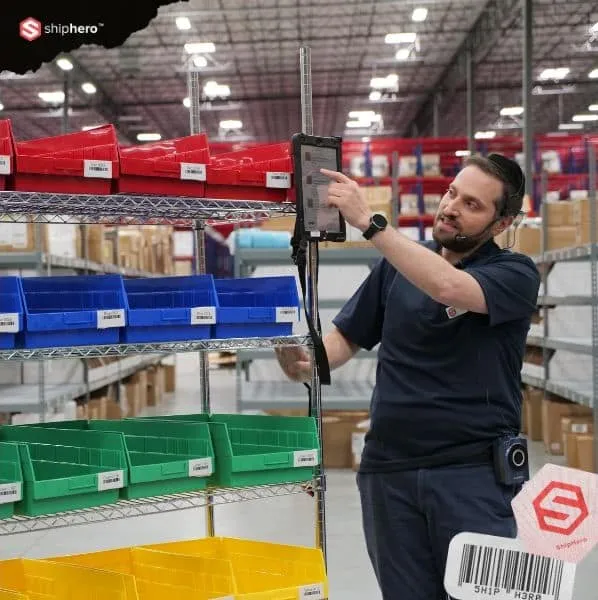
Discover the role, benefits, key features, requirements, and implementation of a 3PL Warehouse Management System (WMS) for optimizing warehouse operations. Learn about scalability, integration, real-time visibility, and customization options to choose the best solution for your business.

On September 1, 2026, Descartes Systems Group announced its acquisition of Extensiv for approximately $120 million. What was announced, what usually follows deals like this, and the questions Extensiv customers should put to their vendor before renewal.



.svg)



.webp)