
.svg)

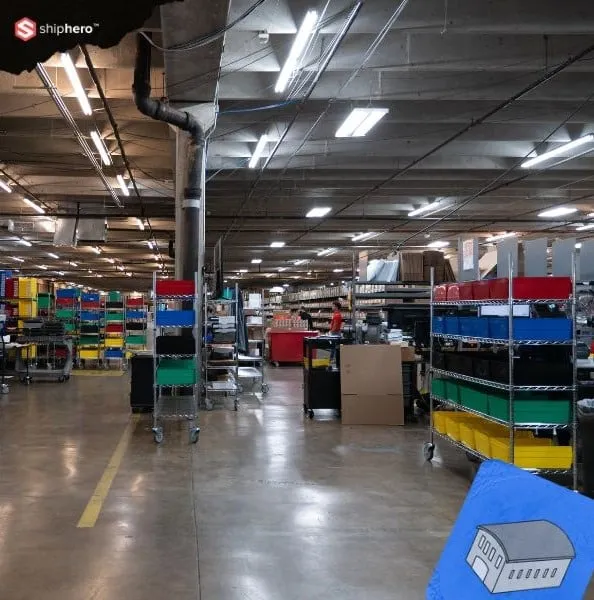
Prior to COVID-19, brands built their fulfillment operations with the assumption that the status quo would last forever. Simply setting up a warehouse, working with a carrier and employing a well trained staff was enough to maintain timely delivery of products without much need to change. If you’re reading this

.svg)
Prior to COVID-19, brands built their fulfillment operations with the assumption that the status quo would last forever. Simply setting up a warehouse, working with a carrier and employing a well trained staff was enough to maintain timely delivery of products without much need to change.
If you’re reading this article, you probably know that assumption was wrong. Supply chain volatility, for better or worse, is now the norm. Traditional warehouses and their rigid processes no longer have what it takes to help brands thrive, driving warehouse operators to rethink how successful fulfillment can be possible under these new conditions.
While there is no single cure to every brand’s shipping struggles, many companies have adopted the overarching strategy of supply chain flexibility.
Supply chain flexibility refers to a fulfillment team's ability to rapidly respond and adapt to a changing supply chain environment. One of the biggest lessons learned throughout Covid-19 is that traditional warehouses were not equipped to handle the influx of orders or shipping bottlenecks that quickly became part of everyday life. Responding to new levels of customer demand, raw-material requirements or limited staff bandwidth can seem impossible when the same warehouse processes have carried on for years without adjustment.
With the goal of supply chain flexibility and agility in mind, brands of all sizes have been busy rethinking how they can best serve their customers without the benefit of predictability or stability on their side. To overcome this hurdle, and to ensure warehouses are prepped for any future surprises, new warehouse technologies are being utilized to anticipate erratic market conditions.
Every brand’s fulfillment requirements are a little different, and supply chain solutions that work for one company can look vastly different than the solutions of another.
Rather than finding a single tool or strategy that cures warehouse issues across the board, companies have tended to embrace a mix of tools that make day-to-day shipping a little less of a headache. Automated pick and pack systems, wearable technology and superior warehouse management software have risen to a new level of prominence as supply chain flexibility becomes more of a priority.
One way warehouses have minimized the physical demand on their staff is by investing in automated pick and pack systems, such as conveyor belts or collaborative robotics.
Conveyor systems, an affordable automation option, can really speed up the shipping process. Instead of walking to the item and then back to the packing station, your products can be automatically sent to the station of your choice. While this is a common practice in fulfillment centers, the large footprint and infrastructure requirements make conveyor systems less than ideal when aiming for a flexible supply chain.
Collaborative robots, on the other hand, provide a picking solution that can be altered at a much lower cost. Rather than spread out across the warehouse floor, these wheeled machines can be customized and instructed where to go and what to pick. If changes need to be made to the warehouse, collaborative robots are easy to reprogram and change.
The manual picking process is where a lot of mistakes can happen. These automation tools take the possibility of human error out of the equation, meaning no mis-ships and a happier pool of customers. With the superior reliability that comes with these adjustments, you’ll be able to guarantee order accuracy while saving money on correcting expensive returns.
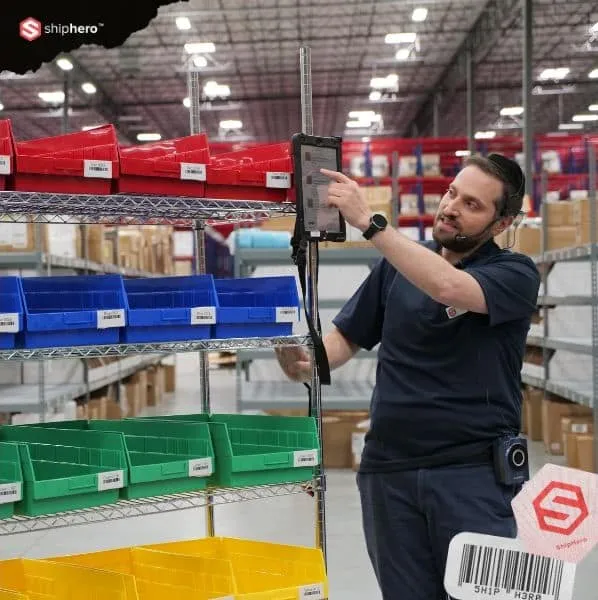
Wearable technology in the warehouse has been around for a while, but never to the advanced level that we see today. Mobile label printing, smartphones and data capturing devices have removed the need for warehouse staff to be in a single location in order to stay connected and efficient. Now, workers can flow throughout the warehouse, completing multiple fulfillment tasks while on the move.
In a supply chain environment that demands flexibility, incorporating wearable technology can enhance the way your staff ships packages without changing much about the warehouse itself.
According to foodlogistics.com, integrating wearable technology doesn’t usually mean you’ll have to make changes to your warehouse’s layout. These tools can be highly customizable and can be programmed to fit most working environments.
However, some aspects of how you do fulfillment, such as data capture and software integrations, might need to be adjusted. Before deciding to move forward with these tools, it's important to get a clear understanding of how it can fit into your existing processes and whether it’s compatible with the tools you already have.
Modern warehouse management software can do a lot more than just help keep you organized. Quality inventory management, data capture and seamless multi-tool integrations are now required for a better shipping experience, and the right WMS can help your brand get there.
A sophisticated WMS goes a long way when it comes to supply chain flexibility. For example, when a product’s demand spikes, a WMS can provide recommendations on optimal storage strategies and updated replenishment timelines so that you’re never caught off guard. Understanding how your customers behave and interact with your online store can also reveal new and efficient delivery options.
By integrating your online store, your carriers and any other online tools to a WMS, you’ll be able to drastically improve your ability to leverage data and open up money saving opportunities.
The supply chain might be a bit unpredictable at the moment, but by taking the steps to ensure your fulfillment center is adaptable, your brand can stay competitive despite abrupt changes.
With new developments in automation, wearable technology and warehouse management software, supply chain flexibility is attainable without making expensive changes to your warehouse.
If you're looking for an agile fulfillment partner to help modernize your brand’s delivery process, contact the Fulfillment Experts at ShipHero today.
Click HERE to Schedule a Meeting Today

.webp)
Explore the top 3PL companies in Canada and learn how third-party logistics providers play a vital role in optimizing supply chains. Discover the benefits of partnering with a 3PL, key services offered, and steps to start working with a 3PL in Canada.
.svg)
Discover the top 5 best third-party logistics (3PL) companies for your business needs, offering extensive networks, advanced technology, and superior customer service. Learn about the benefits of 3PL services, how to choose the right provider, and avoid common mistakes.
Discover the role, benefits, key features, requirements, and implementation of a 3PL Warehouse Management System (WMS) for optimizing warehouse operations. Learn about scalability, integration, real-time visibility, and customization options to choose the best solution for your business.

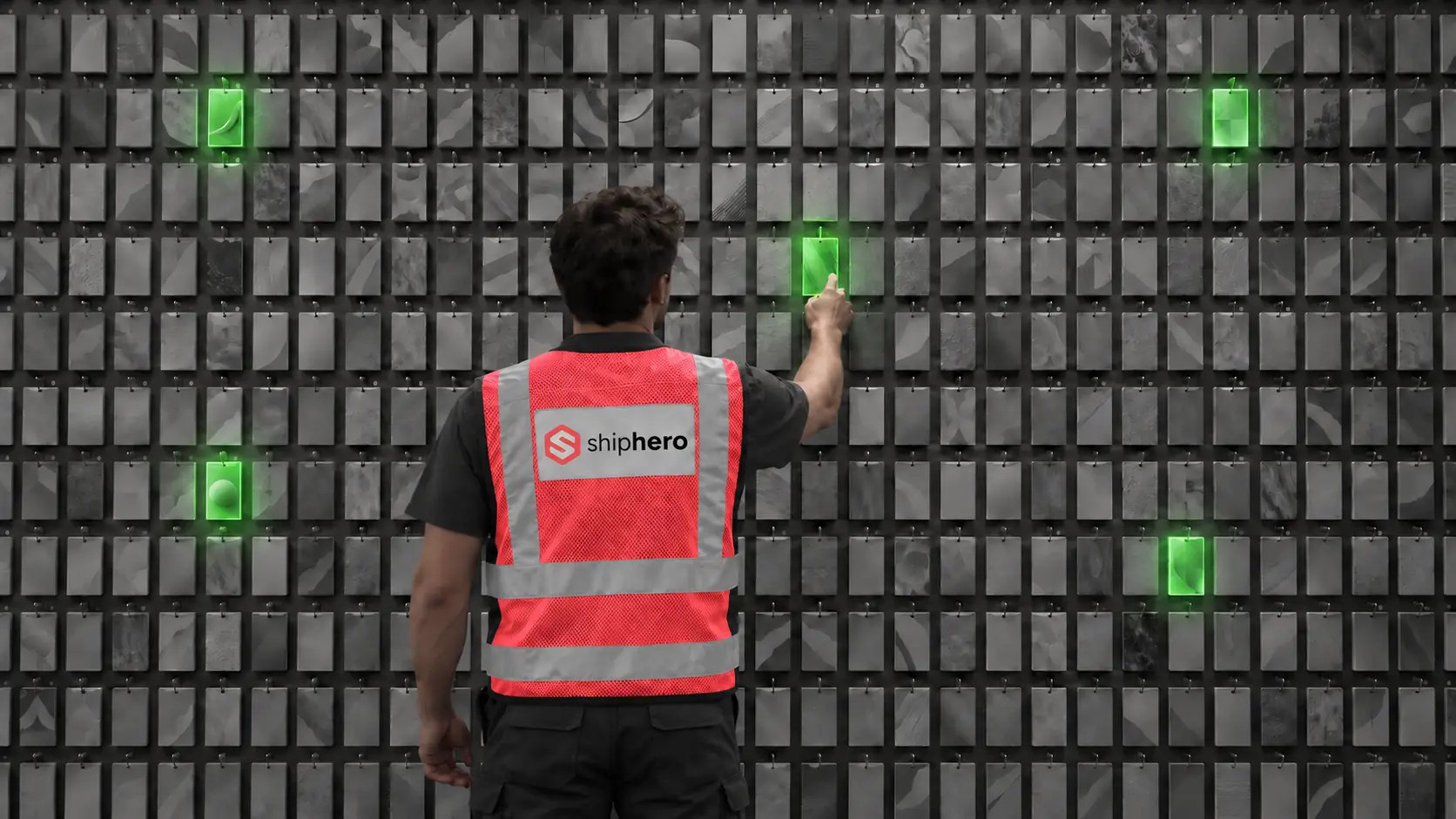
At the denser wall, average picking time per order fell from 40 seconds to 13, and orders that ran clean from start to finish rose from 18% to 97%. This is the companion to our Direct Pack + Pack-to-Light case study, from the same research.
On September 1, 2026, Descartes Systems Group announced its acquisition of Extensiv for approximately $120 million. What was announced, what usually follows deals like this, and the questions Extensiv customers should put to their vendor before renewal.



.svg)



.webp)