
.svg)

Think of it as a control tower for your warehouse operations, allowing you to track inventory in real-time, automate complex processes, and manage tasks effectively. In the context of 3PLs and multi-client fulfillment, WMS goes a step further, handling the unique demands and logistical complexity of managing numerous clients with diverse requirements simultaneously.

.svg)
Imagine a colossal warehouse bustling with activity, full of synchronized movement, where goods arrive from various vendors, are stored efficiently, picked accurately, and shipped on time. Amidst the ceaseless flux of goods, from exotic spices to the latest tech gadgets, lies the beating heart of this operation—a Warehouse Management System (WMS). This digital maestro, unseen yet instrumental, ensures everything runs like clockwork. Particularly for Third-Party Logistics (3PL) providers and operations managing multi-client fulfillment, a WMS is a strategic linchpin that turns chaos into order.
A Warehouse Management System (WMS) for Third-Party Logistics (3PLs) and multi-client fulfillment is a powerful software solution that optimizes warehouse operations by offering detailed visibility and control over inventory, labor and space utilization. Think of it as a control tower for your warehouse operations, allowing you to track inventory in real-time, automate complex processes, and manage tasks effectively. In the context of 3PLs and multi-client fulfillment, WMS goes a step further, handling the unique demands and logistical complexity of managing numerous clients with diverse requirements simultaneously.
Need a Warehouse Management System ASAP? Let’s chat!
Managing a 3PL operation without a robust WMS is like navigating an ocean without a compass—nearly impossible. WMS is vital for 3PL operations because it brings a method to the madness of managing varied inventory for multiple clients. It enhances inventory accuracy, reduces order fulfillment errors, and expedites delivery times, all crucial for maintaining client satisfaction and competitiveness in the logistics industry.
The logistics landscape is undergoing a transformative shift towards 'hybrid' warehousing, a blend of traditional warehousing practices with more flexible, on-demand models. The driving force behind this change is the evolving consumer demand and the surge in eCommerce. To thrive in this new era, 3PLs must offer flexible, efficient, and cost-effective solutions to their clients. This is where a WMS shines. By integrating advanced functionalities like artificial intelligence and machine learning, a WMS for hybrid warehousing can streamline operations, forecast demand, optimize labor, and manage complex inventory requirements, enabling 3PLs to stay agile and responsive.
A robust WMS is a game-changer. It can help 3PL businesses attract new clients by showcasing operational efficiency, transparency, and superior service delivery. An advanced WMS demonstrates to potential clients that your business can manage inventory accurately, fulfill orders efficiently, and adapt to sudden demand changes swiftly. And, a WMS provides real-time data, analytics, and reports that enhance visibility into operations, a feature that's highly appealing to clients who want complete control and insight into their supply chain.
A quality WMS system offers comprehensive inventory management. This is particularly crucial for 3PLs and multi-client fulfillment businesses, where managing goods from different clients, products ranging from regular items to hazmat and cold storage, require meticulous control. High inventory visibility in WMS software enables easy tracking of products, whether it's a pallet of apples in cold storage or a container of electronics. The system should support the FEFO (First Expired, First Out) method, allowing businesses to manage perishable goods effectively.
The ideal Warehouse Management System will integrate seamlessly with marketplaces and shopping carts, facilitating omnichannel order fulfillment. The system should support a seamless returns process, handle multiple orders simultaneously, and provide real-time updates on order status. The aim is to bolster customer service by ensuring timely, accurate order fulfillment, which in turn drives customer satisfaction and repeat business.
In the world of 3PLs and multi-client fulfillment, data is king. A powerful WMS software will provide real-time data, offering invaluable insights into warehouse operations. This transparency extends to everything from inventory levels, staff productivity, order status, and returns. Logistics providers can use these insights to fine-tune processes, identify bottlenecks, and ensure maximum operational efficiency.
Every warehouse, whether in the heart of a bustling city or the country's outskirts, has unique needs. The best WMS solutions offer scalability and customization options to match the unique requirements of different businesses. Whether you're a 3PL catering to varied industries or a business managing multiple warehouses, your WMS should scale with your needs. It should also offer customization options, whether it's workflows, reporting, or user interface, ensuring the system aligns with your operational processes and the market dynamics.
ShipHero is revolutionizing the world of 3PL logistics with its powerful and highly efficient warehouse management system (WMS). As a leading provider in the industry, ShipHero boasts features designed to optimize your supply chain operations, from real-time inventory management, advanced order routing, automation rules, to omnichannel support. The user-friendly interface and integrations with popular eCommerce platforms are a testament to ShipHero's dedication to making logistics more manageable for businesses of all sizes. Whether you're a small startup or a large corporation, ShipHero's scalable solution is tailor-made to meet the diverse needs of 3PLs.
OrderFlow is a cloud-based WMS software solution designed to enhance productivity and efficiency in high-volume fulfillment operations. One of the platform's key strengths is its robust integration functionality, allowing seamless access to data from various touchpoints in real-time. Its reporting tools offer actionable insights and transparency to aid in decision-making. A notable feature is the detailed invoicing module, providing accuracy in billing, crucial for the financial health of any business. Interested parties can request a demo to experience its functionality firsthand.
Extensiv is a software platform that addresses the needs of 3PLs and brands for omnichannel fulfillment. Its technology provides comprehensive reporting and data integration options, which ensure transparency and accuracy. The platform is known for its easy-to-use nature, even as it provides extensive functionality. Prospective users can take advantage of a demo to experience the efficiency and productivity that Extensiv can bring to their operations.
HighJump (now Korber) is a well-established player in the 3PL software solutions arena. This platform boasts a variety of modules and tools designed to address the specific challenges faced by 3PLs. From billing and invoicing modules to comprehensive reporting tools, HighJump provides all the necessary elements for success. The platform focuses on ROI, offering cost-efficient solutions designed to boost the bottom line. HighJump's logo is a familiar one in the industry, symbolizing its long-standing reputation for quality service.
Logiwa is a WMS platform that differentiates itself through its advanced analytics and reporting tools. Designed for high-volume D2C and B2C fulfillment 3PLs, the software offers a host of modules that cater to the needs of such operations. The Logiwa experience includes options for customizing functionality based on individual business requirements. Its robust integration capabilities make it a top choice for businesses seeking a solution that can adapt to their workflows. Logiwa also provides periodic updates, ensuring its users always have the most up-to-date tools at their fingertips.
Each client brings a unique set of requirements, and the one-size-fits-all approach doesn't work in multi-client fulfillment. A 3PL WMS offers functionalities that allow operations to be customized for each client, ensuring accuracy and customer satisfaction. It’s all about having options and the flexibility to adapt to client needs.
Inventory management can be a tricky area in multi-client fulfillment. Efficient handling of storage locations and ensuring optimal use of resources are paramount. A 3PL software offers sophisticated inventory management capabilities, providing visibility and traceability for everything from high-demand items to slow movers.
In the world of eCommerce, errors in order fulfillment can cost not just money, but customer loyalty. A good 3PL WMS will reduce such errors, streamline order fulfillment, and integrate with shopping carts to ensure accurate, efficient fulfillment for all clients, regardless of the volume or complexity of orders.
Streamlining warehouse operations is another significant advantage of implementing a 3PL WMS. From labor allocation to real-time updates, a WMS brings a level of efficiency and transparency that boosts productivity and cost-effectiveness.
Integration with various eCommerce platforms is a key functionality of good 3PL software. This allows for real-time information exchange, ensuring inventory levels are accurate across all sales channels and order fulfillment is efficient.
Handling high-volume returns is a part of the eCommerce reality. A 3PL WMS can automate and streamline this process, minimizing costs and improving customer service levels.
3PL WMS offers real-time visibility and comprehensive reporting capabilities, providing critical insights for decision making. This level of transparency is vital for maintaining trust with clients and ensuring operations run smoothly.
Exception management is another area where 3PL software shines. It can quickly identify and address anomalies, preventing minor issues from escalating into major problems.
Implementing advanced technologies like AI and machine learning is made easier with a 3PL WMS. These technologies can optimize various aspects of multi-client fulfillment, from demand forecasting to labor allocation.
Scalability and flexibility are crucial in the ever-evolving eCommerce landscape. A 3PL WMS can scale to meet the growth of your business and offers the flexibility to adapt to changing market dynamics, ensuring you're always one step ahead.
Every business is unique, and your WMS should reflect that. Look for a system that offers customizable functionalities to meet your specific requirements. This might include personalized workflows, adjustable interfaces, or tailored reporting tools.
Your 3PL software should be able to accommodate your business's growth. Scalability ensures that as your operations expand — whether in terms of volume, locations, or complexity — your WMS can easily adapt to the increasing demand.
A WMS that can seamlessly integrate with other systems is a major advantage. This includes your eCommerce platforms, shopping carts, and other logistical or financial software. This not only enhances accuracy but also optimizes overall efficiency.
In the dynamic world of eCommerce, real-time inventory visibility is critical. A quality WMS will provide a real-time view of your inventory across all storage areas, ensuring efficient management and transparency
Data-driven decisions are key to success in today's business landscape. Look for a WMS with advanced analytics and comprehensive reporting capabilities, providing insights to improve operations, forecast demand, and reduce errors.
A user-friendly WMS can significantly reduce training time and increase productivity. Make sure the system is intuitive and easy to use, with a user experience design that is approachable for all levels of users.
Client portals are an excellent way to provide your customers with real-time visibility into their inventory and orders. This transparency boosts customer satisfaction and trust in your services.
Efficient and accurate billing is critical for any business. Choose a WMS with comprehensive billing capabilities to ensure accurate invoicing and improved cost control.
Ensure the software provider offers robust support and service. From initial implementation to ongoing updates and troubleshooting, having a reliable support team can make all the difference.
Finally, consider the cost of the WMS. While it’s an investment, you need to ensure that the cost aligns with your budget and the ROI justifies the expense.
Implementing a WMS can have a profound impact on your warehouse operations. It optimizes various processes, from order fulfillment to inventory management, enhancing overall productivity. Real-time inventory visibility reduces the chances of stockouts or overstocking, while advanced analytics help in informed decision-making. The integration capabilities allow for seamless data exchange, reducing errors and ensuring accuracy. With the support of a WMS, your warehouse can work like a well-oiled machine, ready to meet the ever-evolving demands of the eCommerce landscape.
A robust Warehouse Management System (WMS) tailored for 3PL and multi-client fulfillment is no longer a luxury—it's a necessity. This technology, with its ability to offer real-time inventory visibility, seamless integration, scalability, and customized functionalities, provides businesses with the tools they need to exceed customer expectations and stay competitive. In the end, the choice of a WMS could be the catalyst that propels a business to new heights, just as the right technology choice enabled the transformation of warehouses from simple storage spaces to complex, multi-faceted operations centers that we see today.

3PL fulfillment involves storing products, processing orders, packaging goods, and shipping them to customers on behalf of another business. It includes receiving goods at the warehouse, storing them efficiently, managing inventory, picking and packing orders when a customer makes a purchase, and ensuring the product reaches the customer in a timely manner. Some 3PLs also manage returns and handle customer service related to delivery.
The four types of 3PL providers are:
Fulfillment generally refers to the process of receiving, processing, and delivering orders to customers. It's one part of the broader supply chain process. 3PL, on the other hand, refers to third-party logistics providers who can handle multiple aspects of the supply chain process, which can include fulfillment, but also encompasses other services such as warehousing, transportation, and inventory management. In other words, fulfillment is a subset of what a 3PL provider can offer.
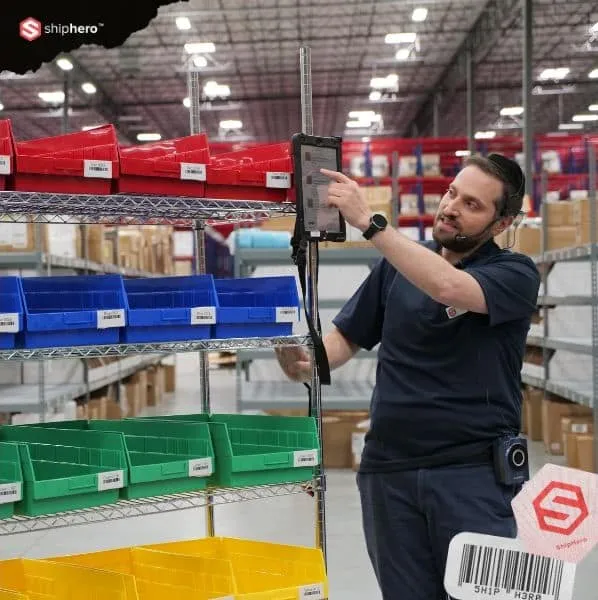
.webp)
Discover the role, benefits, key features, requirements, and implementation of a 3PL Warehouse Management System (WMS) for optimizing warehouse operations. Learn about scalability, integration, real-time visibility, and customization options to choose the best solution for your business.
.svg)

Explore the top 3PL companies in Canada and learn how third-party logistics providers play a vital role in optimizing supply chains. Discover the benefits of partnering with a 3PL, key services offered, and steps to start working with a 3PL in Canada.
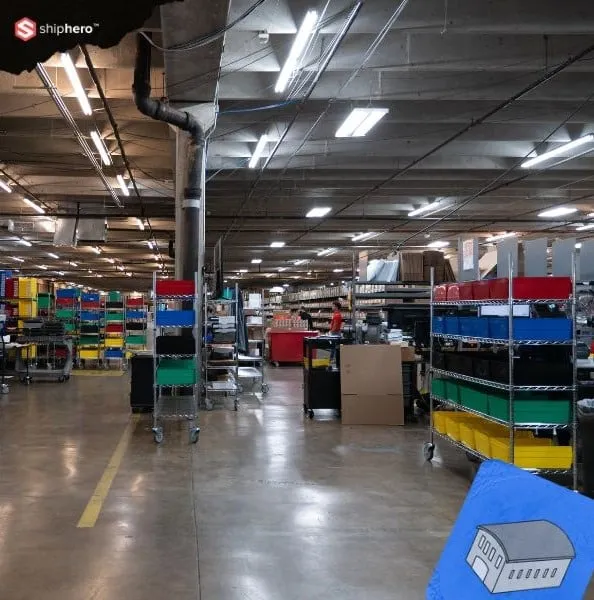
Discover the top 5 best third-party logistics (3PL) companies for your business needs, offering extensive networks, advanced technology, and superior customer service. Learn about the benefits of 3PL services, how to choose the right provider, and avoid common mistakes.
On September 1, 2026, Descartes Systems Group announced its acquisition of Extensiv for approximately $120 million. What was announced, what usually follows deals like this, and the questions Extensiv customers should put to their vendor before renewal.




.svg)



.webp)